

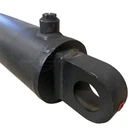



Hey there! As a supplier of Hydraulic Tilt Cylinders, I often get asked about the nitty - gritty details of these systems. One question that pops up quite a bit is, "What is the function of the pressure gauge in a hydraulic tilt cylinder system?" Well, let's dive right in and break it down.
First off, let me give you a quick rundown of what a hydraulic tilt cylinder system is. These systems are used in a wide range of applications, from agricultural machinery to heavy - duty industrial equipment. They work by using hydraulic fluid to create force and motion, allowing for precise tilting and positioning of various components.
Now, let's talk about the pressure gauge. You can think of the pressure gauge as the "eyes" of the hydraulic tilt cylinder system. It's a simple yet crucial component that provides real - time information about the pressure within the system.
One of the primary functions of the pressure gauge is to monitor system pressure. In a hydraulic tilt cylinder system, the pressure of the hydraulic fluid is what generates the force needed to move the cylinder. By constantly monitoring the pressure, operators can ensure that the system is operating within the recommended pressure range. If the pressure is too low, the cylinder may not move properly or may not be able to generate enough force to perform its intended task. On the other hand, if the pressure is too high, it can cause damage to the system components, such as seals, hoses, and even the cylinder itself.
For example, in an agricultural setting, a Agricultural Hydraulic Cylinders system might be used to tilt a plow or a harrow. The pressure gauge allows the farmer to adjust the pressure according to the soil conditions and the type of work being done. If the soil is particularly hard, the farmer may need to increase the pressure to ensure that the plow can penetrate the ground effectively.
Another important function of the pressure gauge is to detect leaks. A sudden drop in pressure can be a sign that there is a leak in the hydraulic system. Leaks can not only lead to a loss of hydraulic fluid but can also cause the system to malfunction. By regularly checking the pressure gauge, operators can catch leaks early and take corrective action before they cause significant damage.
Let's say you're using a Top Link Hydraulic Cylinders system on a tractor. If you notice that the pressure gauge reading is steadily dropping, it could mean that there is a leak in one of the hoses or connections. You can then inspect the system to find and repair the leak, preventing further problems.
The pressure gauge also plays a role in system maintenance. By keeping track of the pressure over time, operators can identify trends and potential issues. For instance, if the pressure is gradually increasing over a period of time, it could indicate that there is a blockage in the system or that the hydraulic fluid is becoming contaminated. This early warning allows for proactive maintenance, which can extend the lifespan of the system and reduce downtime.


In addition, the pressure gauge is essential for system calibration. When a hydraulic tilt cylinder system is first installed or after any major repairs, it needs to be calibrated to ensure that it is operating correctly. The pressure gauge provides the necessary information to set the correct pressure levels. This calibration is crucial for the proper functioning of the system and for achieving the desired performance.
Let's take a look at a Tie Rod Hydraulic Cylinder as an example. During the installation process, the technician will use the pressure gauge to adjust the pressure so that the cylinder moves smoothly and accurately. This ensures that the equipment using the cylinder can perform its tasks efficiently.
Now, you might be wondering how to choose the right pressure gauge for your hydraulic tilt cylinder system. There are a few factors to consider. First, you need to make sure that the pressure gauge has the appropriate pressure range for your system. It should be able to measure the minimum and maximum pressures that your system is likely to encounter. Second, consider the accuracy of the gauge. A more accurate gauge will provide more reliable information, which is especially important for systems that require precise pressure control.
In conclusion, the pressure gauge is an indispensable part of a hydraulic tilt cylinder system. It helps with monitoring system pressure, detecting leaks, performing maintenance, and calibrating the system. Without a pressure gauge, it would be very difficult to ensure the safe and efficient operation of these systems.
If you're in the market for high - quality Hydraulic Tilt Cylinders or have any questions about pressure gauges and hydraulic systems, don't hesitate to reach out. We're here to help you find the right solutions for your needs. Whether you're in the agricultural industry, construction, or any other field that uses hydraulic equipment, we've got you covered. Let's start a conversation and see how we can work together to improve your operations.
References
- "Hydraulic Systems Handbook"
- "Agricultural Machinery Hydraulics Guide"