

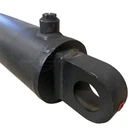



What is the hardness of a piston rod?
As a dedicated piston rod supplier, I've had the privilege of delving deep into the world of piston rods and understanding their various properties. One of the most critical aspects that often comes up in discussions with clients is the hardness of a piston rod. In this blog, I'll share my insights on what piston rod hardness is, why it matters, and how it impacts the performance of hydraulic and pneumatic systems.
Understanding Piston Rod Hardness
Hardness is a measure of a material's resistance to localized deformation, typically by indentation or abrasion. In the context of piston rods, hardness plays a crucial role in determining their durability, wear resistance, and overall performance. A piston rod is a key component in hydraulic and pneumatic cylinders, where it transfers force from the piston to the external load. It is subjected to high levels of stress, friction, and wear during operation, making hardness a vital property.
The hardness of a piston rod is usually measured using standardized tests, such as the Rockwell, Brinell, or Vickers hardness tests. These tests involve applying a specific load to the surface of the material using an indenter of a known geometry and measuring the size of the resulting indentation. The hardness value is then calculated based on the load and the size of the indentation.
Why Hardness Matters
The hardness of a piston rod directly affects its performance and service life. Here are some of the key reasons why hardness is so important:
- Wear Resistance: A harder piston rod is more resistant to wear and abrasion, which is essential for applications where the rod is in constant contact with other components, such as seals and guides. This helps to prevent premature wear and damage to the rod, ensuring a longer service life and reducing maintenance costs.
- Corrosion Resistance: Hardness can also influence the corrosion resistance of a piston rod. A harder surface is often more resistant to chemical attack and oxidation, which can help to protect the rod from corrosion and extend its lifespan.
- Load-Bearing Capacity: A piston rod with the appropriate hardness can withstand higher loads and stresses without deforming or breaking. This is particularly important in applications where the rod is subjected to heavy loads or high pressures.
- Surface Finish: The hardness of a piston rod can also affect its surface finish. A harder rod is less likely to develop scratches or dents, which can improve the sealing performance of the rod and reduce the risk of leakage.
Factors Affecting Piston Rod Hardness
The hardness of a piston rod is influenced by several factors, including the material composition, heat treatment, and manufacturing process. Here's a closer look at each of these factors:
- Material Composition: The choice of material plays a significant role in determining the hardness of a piston rod. Common materials used for piston rods include carbon steel, alloy steel, stainless steel, and chrome-plated steel. Each material has its own unique properties and hardness characteristics. For example, carbon steel is relatively inexpensive and has good strength, but it may not be as corrosion-resistant as stainless steel. Alloy steel, on the other hand, can be heat-treated to achieve higher hardness levels and improved wear resistance.
- Heat Treatment: Heat treatment is a process used to alter the physical and mechanical properties of a material by heating and cooling it under controlled conditions. In the case of piston rods, heat treatment is often used to increase the hardness and strength of the material. Common heat treatment processes for piston rods include quenching and tempering, which involve heating the rod to a high temperature and then rapidly cooling it in a quenching medium, followed by tempering at a lower temperature to relieve internal stresses.
- Manufacturing Process: The manufacturing process can also affect the hardness of a piston rod. For example, cold drawing is a common manufacturing process used to produce piston rods with a high surface finish and dimensional accuracy. Cold drawing can work-harden the material, increasing its hardness and strength. Additionally, the use of precision machining techniques can help to ensure that the rod has a uniform hardness throughout its length.
Choosing the Right Hardness for Your Application
Selecting the appropriate hardness for a piston rod depends on several factors, including the application requirements, the operating conditions, and the budget. Here are some general guidelines to help you choose the right hardness for your application:
- Identify the Application Requirements: Consider the specific requirements of your application, such as the load capacity, the operating pressure, the speed of operation, and the environment in which the rod will be used. For example, if the rod is used in a high-pressure hydraulic system, it may require a higher hardness to withstand the stresses.
- Evaluate the Operating Conditions: Take into account the operating conditions, such as the temperature, the humidity, and the presence of corrosive substances. If the rod is exposed to harsh environmental conditions, it may require a higher hardness and better corrosion resistance.
- Consider the Budget: Balancing the performance requirements with the budget is also important. Higher hardness levels may require more expensive materials and manufacturing processes, so it's important to find a cost-effective solution that meets your needs.
Our Piston Rod Offerings
As a leading piston rod supplier, we offer a wide range of piston rods with different hardness levels and material compositions to meet the diverse needs of our customers. Our piston rods are made from high-quality materials and are manufactured using advanced techniques to ensure superior performance and durability.


We also offer custom piston rod solutions, allowing us to tailor the hardness and other properties of the rod to your specific requirements. Whether you need a piston rod for a hydraulic cylinder, a pneumatic actuator, or any other application, we have the expertise and resources to provide you with the right solution.
In addition to piston rods, we also supply other related products, such as Seamless Cold-drawn Tube, Gear Pumps for Trucks, and SRB Seamless Tube. These products are designed to work seamlessly with our piston rods, providing a complete solution for your hydraulic and pneumatic systems.
Contact Us for Your Piston Rod Needs
If you're in the market for high-quality piston rods or have any questions about piston rod hardness, we'd love to hear from you. Our team of experts is always available to provide you with technical advice and support, and we can help you choose the right piston rod for your application.
Whether you're a small business or a large corporation, we're committed to providing you with the best products and services at competitive prices. Contact us today to discuss your piston rod requirements and start a partnership that will help you achieve your goals.
References
- "Materials Science and Engineering: An Introduction" by William D. Callister Jr. and David G. Rethwisch
- "Hydraulic and Pneumatic Systems: Design, Installation, and Troubleshooting" by Arthur R. Wheeler
- "Mechanical Engineering Design" by Joseph E. Shigley and Charles R. Mischke