




When it comes to hydraulic crutches, one of the most frequently asked questions is about their price range. As a supplier of hydraulic crutches, I understand the importance of providing clear and accurate information on this topic. In this blog post, I'll delve into the factors that influence the price of hydraulic crutches and give you a general idea of what to expect.
Understanding Hydraulic Crutches
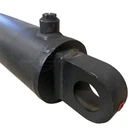
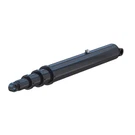
Before discussing the price, let's briefly understand what hydraulic crutches are. Hydraulic crutches are specialized tools that utilize hydraulic power to perform various tasks, typically in industrial settings. They are designed to provide support, lift heavy objects, or assist in precise positioning. The core components of hydraulic crutches include a Single Acting Hydraulic Cylinder, a hydraulic piston, and a control mechanism. The Single Acting Hydraulic Cylinder is responsible for converting hydraulic pressure into linear motion, while the Hydraulic Piston moves within the cylinder to generate the required force.
Factors Affecting the Price of Hydraulic Crutches
Several factors contribute to the price variation of hydraulic crutches. Here are some of the key elements:
1. Quality and Durability
High - quality hydraulic crutches are built to last. They are made from premium materials such as high - strength steel and are engineered with precision to ensure reliable performance over an extended period. These crutches often undergo rigorous testing to meet industry standards. On the other hand, lower - quality products may use cheaper materials and less precise manufacturing processes, which can lead to a shorter lifespan and more frequent breakdowns. Naturally, high - quality hydraulic crutches come with a higher price tag due to the cost of materials and manufacturing.
2. Load Capacity
The load capacity of a hydraulic crutch is a crucial factor in determining its price. Hydraulic crutches with higher load capacities are designed to handle heavier loads and require more robust components. For example, a hydraulic crutch that can support a load of 10 tons will be more expensive than one that can only handle 1 ton. This is because the larger cylinders, stronger pistons, and more powerful hydraulic systems needed to support higher loads increase the manufacturing cost.
3. Brand Reputation
Well - established brands in the hydraulic equipment industry often charge a premium for their products. These brands have built a reputation for reliability, innovation, and excellent customer service over the years. Customers are willing to pay more for a brand they trust, as they believe they are getting a high - quality product with better after - sales support. In contrast, lesser - known brands may offer more affordable options, but there may be more uncertainty about the product's quality and long - term performance.
4. Additional Features
Some hydraulic crutches come with additional features that enhance their functionality. For instance, crutches with adjustable height, remote - controlled operation, or advanced safety features are more expensive than basic models. These features add value to the product but also increase the manufacturing cost, which is reflected in the price.
Price Range of Hydraulic Crutches
Based on the factors mentioned above, the price range of hydraulic crutches can vary significantly.
Entry - Level Hydraulic Crutches
Entry - level hydraulic crutches are typically designed for light - duty applications. They usually have a lower load capacity, around 1 - 2 tons, and may lack some of the advanced features found in more expensive models. These crutches are often made by lesser - known brands or use more basic manufacturing processes. The price of entry - level hydraulic crutches can range from $500 to $1500.
Mid - Range Hydraulic Crutches
Mid - range hydraulic crutches offer a good balance between quality, load capacity, and features. They can handle loads of 2 - 5 tons and may come with some additional features such as adjustable height or improved safety mechanisms. These crutches are often produced by well - known brands and are suitable for a wide range of industrial applications. The price of mid - range hydraulic crutches typically falls between $1500 and $3500.
High - End Hydraulic Crutches
High - end hydraulic crutches are designed for heavy - duty applications and offer the highest level of quality and performance. They have a load capacity of 5 tons or more and may come with advanced features such as remote - controlled operation, precise load - sensing technology, and high - precision manufacturing. These crutches are usually produced by leading brands in the industry and are built to last. The price of high - end hydraulic crutches can start from $3500 and go up to $10,000 or more, depending on the specific features and load capacity.


Our Product Offerings
As a supplier of hydraulic crutches, we offer a wide range of products to meet different customer needs. Our Hydraulic Crutch 80 - 90/102 - 250 is a popular mid - range option. It has a load capacity that can handle a variety of industrial tasks and comes with several useful features such as adjustable height. We also have entry - level and high - end options available, ensuring that we can provide a suitable solution for every budget and application.
Conclusion
The price range of hydraulic crutches is influenced by multiple factors, including quality, load capacity, brand reputation, and additional features. Whether you are looking for an entry - level solution for light - duty tasks or a high - end crutch for heavy - duty industrial applications, there is a hydraulic crutch available to meet your needs.
If you are interested in purchasing hydraulic crutches or would like more information about our product offerings, please feel free to contact us. We are here to assist you in finding the right hydraulic crutch for your specific requirements and to provide you with a competitive price. Let's start a conversation and explore how our hydraulic crutches can benefit your operations.
References
- Industrial Hydraulic Equipment Handbook
- Hydraulic Cylinder Manufacturing Standards and Guidelines