

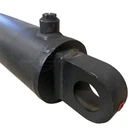



In the realm of injection molding, ejector cylinders play a pivotal role, ensuring the smooth and efficient production of high - quality plastic parts. As a dedicated supplier of ejector cylinders, I have witnessed firsthand the significance of these components in the injection molding process. In this blog, we will delve into the functions, importance, and unique features of ejector cylinders in an injection molding machine.
Understanding the Basics of Injection Molding
Before we explore the role of ejector cylinders, it's essential to have a basic understanding of the injection molding process. Injection molding is a manufacturing process used to produce parts by injecting molten material, typically plastic, into a mold. The process consists of several stages: clamping, injection, dwelling, cooling, and ejection. Each stage is crucial for the successful production of a part, and the ejection stage, where ejector cylinders come into play, is no exception.
The Role of Ejector Cylinders in the Ejection Stage
The ejection stage is the final step in the injection molding process. After the molten plastic has been injected into the mold, cooled, and solidified, the part needs to be removed from the mold cavity. This is where ejector cylinders are indispensable.
Ejector cylinders are hydraulic or pneumatic devices that generate the force required to push the molded part out of the mold. They are connected to ejector pins or ejector plates, which are in direct contact with the part inside the mold. When the mold opens, the ejector cylinders are activated, and they extend, driving the ejector pins or plates forward. This forward motion applies pressure to the back of the molded part, causing it to separate from the mold cavity.
Key Functions of Ejector Cylinders
- Precise Part Removal: One of the primary functions of ejector cylinders is to ensure the precise removal of the molded part from the mold. The force exerted by the cylinders can be carefully controlled, allowing for gentle yet effective ejection. This is particularly important for delicate or complex - shaped parts, where excessive force could cause damage, and insufficient force would result in the part remaining stuck in the mold.
- Repeatability: In mass production, repeatability is crucial. Ejector cylinders are designed to provide consistent performance cycle after cycle. They can be calibrated to deliver the same amount of force and stroke length each time, ensuring that every part is ejected in the same manner. This consistency helps maintain the quality and dimensional accuracy of the produced parts.
- Mold Protection: Ejector cylinders also play a role in protecting the mold. By ensuring that the part is properly ejected, they prevent the part from remaining in the mold, which could cause damage to the mold during subsequent cycles. For example, if a part is not ejected and the mold closes again, it could lead to scratches, dents, or even breakage of the mold cavity.
Types of Ejector Cylinders
There are two main types of ejector cylinders used in injection molding machines: hydraulic and pneumatic.
Hydraulic Ejector Cylinders: Hydraulic cylinders use hydraulic fluid to generate force. They are known for their high - force capabilities and precise control. Hydraulic ejector cylinders can deliver a large amount of force, making them suitable for ejecting large or heavy - walled parts. They also offer smooth and stable operation, which is beneficial for maintaining the integrity of the molded part during ejection.
Pneumatic Ejector Cylinders: Pneumatic cylinders, on the other hand, use compressed air to generate force. They are generally more compact, lightweight, and cost - effective than hydraulic cylinders. Pneumatic ejector cylinders are often used for smaller parts or in applications where a lower force is required. They also have a faster response time, which can increase the overall cycle time of the injection molding process.
Factors Affecting Ejector Cylinder Performance
Several factors can affect the performance of ejector cylinders in an injection molding machine.
Force Requirements: The force required to eject a part depends on various factors, such as the size, shape, and material of the part, as well as the surface finish of the mold. Larger parts or parts with complex shapes may require more force to be ejected. As a supplier, we work closely with our customers to determine the appropriate force requirements for their specific applications and recommend the right ejector cylinders accordingly.
Stroke Length: The stroke length of the ejector cylinder determines how far the ejector pins or plates can travel. It needs to be sufficient to fully eject the part from the mold cavity. The stroke length is influenced by the depth of the mold cavity and the design of the part. We offer a range of ejector cylinders with different stroke lengths to meet the diverse needs of our customers.
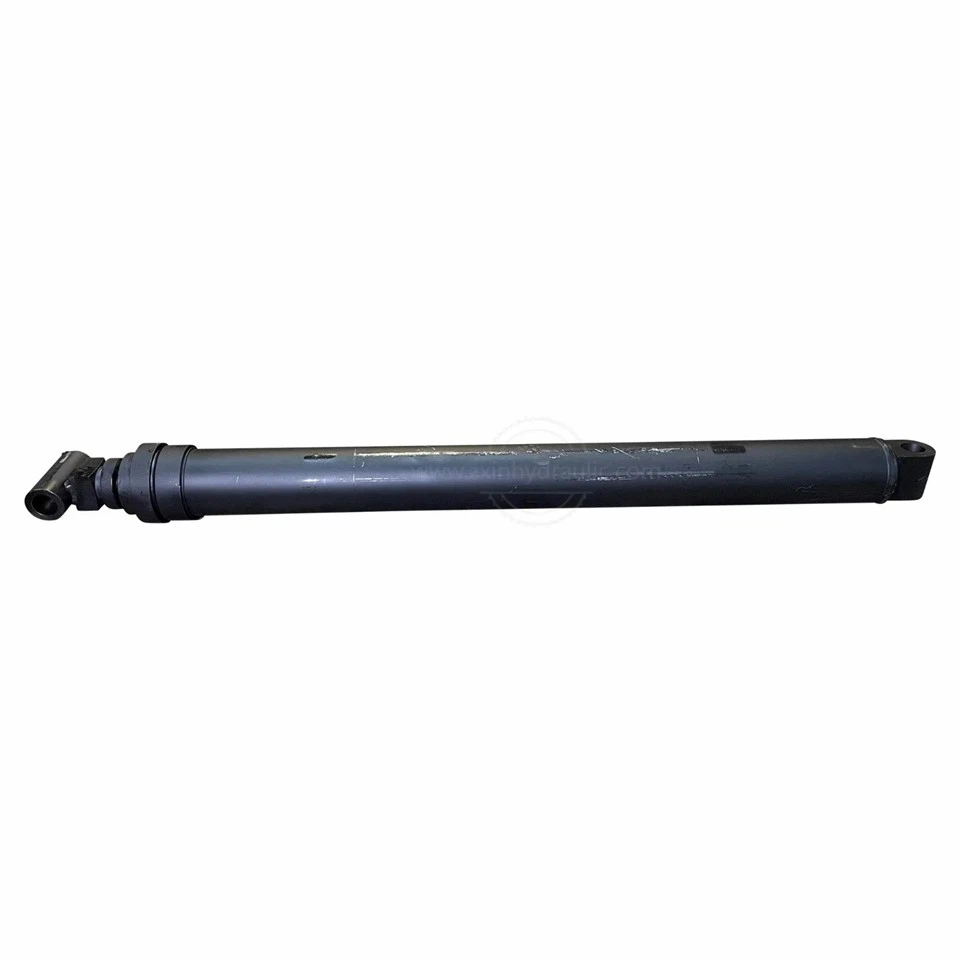

Speed of Ejection: The speed at which the ejector cylinders operate can also impact the quality of the ejected part. A too - fast ejection speed may cause the part to deform or break, while a too - slow speed can increase the cycle time of the injection molding process. We can provide ejector cylinders with adjustable speed controls to optimize the ejection process.
Our Offerings as an Ejector Cylinders Supplier
As a leading supplier of ejector cylinders, we are committed to providing high - quality products that meet the demanding requirements of the injection molding industry. Our ejector cylinders are manufactured using the latest technology and high - grade materials, ensuring durability, reliability, and excellent performance.
We offer a wide range of ejector cylinders, including both hydraulic and pneumatic options. Our hydraulic ejector cylinders are designed to deliver high - force output with precise control, while our pneumatic ejector cylinders are known for their compact design and fast response time.
In addition to ejector cylinders, we also supply related products such as Compactor Cylinders and Dump Cylinder. These products are also essential in various industrial applications, and we strive to provide comprehensive solutions to our customers.
Our team of experts has extensive knowledge and experience in the field of hydraulic and pneumatic cylinders. We can offer technical support and guidance to our customers, helping them select the right ejector cylinders for their specific applications. Whether it's a small - scale production or a large - scale manufacturing operation, we have the expertise to meet your needs.
Contact Us for Your Ejector Cylinder Needs
If you are in the market for high - quality ejector cylinders for your injection molding machine, look no further. Our Ejector Cylinders are designed to enhance the efficiency and productivity of your injection molding process. We are ready to discuss your requirements and provide you with the best solutions. Contact us today to start a conversation about your ejector cylinder needs and explore how we can help you achieve your production goals.
References
- "Injection Molding Handbook" by O. Olszewski
- "Hydraulic and Pneumatic Systems" by R. C. Dorf
- Industry whitepapers on injection molding technology and ejector cylinder applications.