




Hey there! As a supplier of hydraulic systems, I've seen firsthand how crucial hydraulic fluid is in these setups. So, let's dive into what role hydraulic fluid plays in a hydraulic system.
First off, let's understand the basics. A hydraulic system uses fluid to transmit power. It's like the life - blood of the whole operation. In simple terms, when you push on a small piston in one part of the system, the fluid transfers that force to a larger piston somewhere else, making things move. And that's where hydraulic fluid steps in as the key player.
One of the main jobs of hydraulic fluid is power transmission. It takes the mechanical energy from the pump and transfers it throughout the system. Think of it as a messenger that carries the power from the source to the different components that need it. For example, in a construction vehicle like a bulldozer, the hydraulic fluid helps transfer the power from the engine - driven pump to the hydraulic cylinders that lift and tilt the blade. Without the fluid, there's no way to move the heavy blade efficiently.
Another super important role is lubrication. Just like oil in a car engine, hydraulic fluid lubricates all the moving parts in the hydraulic system. Components such as pumps, valves, and cylinders have lots of surfaces that rub against each other. Over time, this friction can cause wear and tear, leading to damage and reduced efficiency. The hydraulic fluid forms a thin film between these surfaces, reducing friction and preventing direct metal - to - metal contact. This not only extends the lifespan of the components but also ensures smooth operation. For instance, in Gear Pumps for Trucks, proper lubrication from the hydraulic fluid is essential for the gears to mesh smoothly and pump the fluid effectively.
Hydraulic fluid also acts as a coolant. As the system operates, energy is converted, and heat is generated. If this heat isn't managed properly, it can cause the fluid to break down and the components to malfunction. The hydraulic fluid absorbs the heat from the various parts of the system and carries it to the reservoir or a heat exchanger. There, the heat is dissipated, and the cooled fluid is then recirculated back into the system. This helps maintain a stable operating temperature, which is vital for the performance and longevity of the hydraulic system. For example, in high - pressure Piston Pumps for Trucks, a lot of heat is generated during operation, and the hydraulic fluid's cooling function is crucial to keep the pump working well.
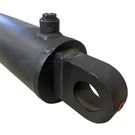
Sealing is yet another important function of hydraulic fluid. It helps create a tight seal between different components in the system. This is especially important in valves and cylinders. A good seal prevents fluid leakage, which can lead to a loss of pressure and reduced system efficiency. If the fluid can't maintain a proper seal, the hydraulic system won't be able to generate the necessary force to perform its tasks. For example, in a hydraulic cylinder, the fluid helps keep the seal between the piston and the cylinder wall, ensuring that the force is transferred effectively.
Now, let's talk about the properties of hydraulic fluid that make it suitable for these roles. Viscosity is a key property. It refers to the fluid's resistance to flow. A hydraulic fluid needs to have the right viscosity. If it's too thick, it will be difficult to pump through the system, causing increased energy consumption and slower operation. On the other hand, if it's too thin, it won't provide adequate lubrication and sealing. So, choosing a fluid with the appropriate viscosity for the specific operating conditions of the hydraulic system is crucial.
Another important property is oxidation stability. Hydraulic fluid is exposed to oxygen during operation, and over time, this can cause oxidation. Oxidized fluid can form sludge and varnish, which can clog the valves and passages in the system, reducing its efficiency. A high - quality hydraulic fluid with good oxidation stability resists this degradation, ensuring long - term performance.
Anti - wear additives are also commonly found in hydraulic fluids. These additives help protect the components from wear by forming a protective layer on the surfaces. They enhance the lubrication properties of the fluid and reduce the risk of damage to the moving parts.
In a hydraulic system, the choice of hydraulic fluid can have a huge impact on its performance. Different applications require different types of fluids. For example, in a mobile hydraulic system like those found in trucks and construction equipment, a fluid that can withstand a wide range of temperatures is needed. These systems operate in various environmental conditions, from cold winter mornings to hot summer afternoons. A fluid with good low - temperature fluidity and high - temperature stability is essential to ensure reliable operation.
In industrial hydraulic systems, where precision and high - pressure operation are often required, a fluid with excellent anti - wear and anti - foam properties is crucial. Foam in the hydraulic fluid can cause cavitation, which is the formation and collapse of vapor bubbles in the fluid. Cavitation can damage the components and reduce the efficiency of the system. So, a fluid that resists foaming is necessary for smooth and efficient operation.
When it comes to the Seamless Cold - drawn Tube used in hydraulic systems, the hydraulic fluid also plays a role. The fluid needs to be compatible with the material of the tube. Some fluids can cause corrosion or chemical reactions with certain metals, which can weaken the tube and lead to leaks. So, ensuring compatibility between the fluid and the tubing material is an important consideration.
As a hydraulic system supplier, I know that maintaining the right hydraulic fluid is just as important as choosing the right one. Regular fluid analysis is a great way to monitor the condition of the fluid. By checking for things like contamination, viscosity changes, and the presence of wear particles, you can catch potential problems early and take corrective action. This might involve changing the fluid, adding additives, or replacing filters.
In conclusion, hydraulic fluid is an integral part of any hydraulic system. It's responsible for power transmission, lubrication, cooling, and sealing. Choosing the right fluid with the appropriate properties for the specific application is crucial for optimal performance and longevity of the system. Whether it's in a Gear Pumps for Trucks, Piston Pumps for Trucks, or an industrial setup, the right hydraulic fluid makes all the difference.
If you're in the market for a hydraulic system or need advice on the right hydraulic fluid for your application, don't hesitate to reach out. We're here to help you make the best choices for your needs. Let's get your hydraulic system running at its best!
References


- "Hydraulic Systems: Technology and Maintenance" by various industry experts
- Manufacturer's manuals for hydraulic pumps, valves, and cylinders