




In the realm of waste management and heavy - duty machinery, compactor cylinders play a pivotal role. As a dedicated Compactor Cylinders supplier, I have witnessed firsthand the significance of every component within these cylinders, especially the cushioning device. In this blog, I will delve into the role of the cushioning device in compactor cylinders, exploring its functions, benefits, and impact on overall performance.
Understanding Compactor Cylinders
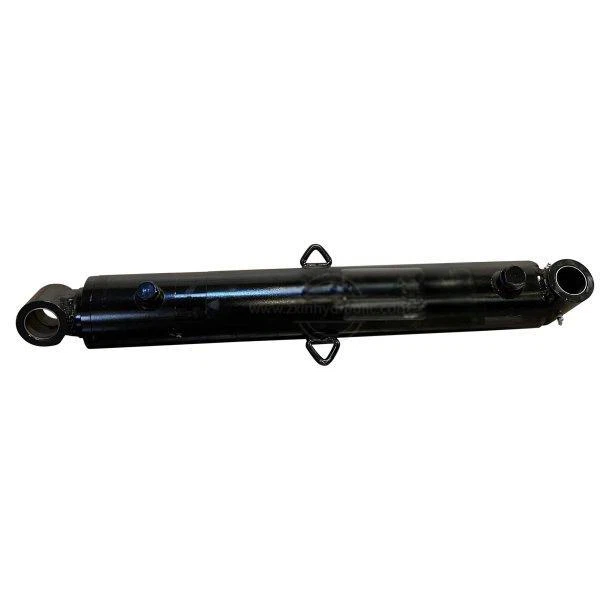
Before we discuss the cushioning device, it's essential to understand what compactor cylinders are. Compactor cylinders are hydraulic cylinders used primarily in garbage trucks and other waste - compacting equipment. These cylinders are responsible for generating the force needed to compress waste materials into a smaller volume, making it easier to transport and dispose of. There are different types of compactor cylinders, such as Packer Cylinder and Ejector Cylinders, each with its specific function in the waste - compacting process.
The Basics of Cushioning Devices
A cushioning device in a compactor cylinder is a mechanism designed to control the movement of the piston as it approaches the end of its stroke. It works by gradually reducing the speed of the piston, preventing sudden stops that can cause damage to the cylinder and other components of the machinery. This is achieved through a combination of hydraulic and mechanical means, such as restricting the flow of hydraulic fluid or using springs to absorb the impact.
Functions of the Cushioning Device
1. Impact Reduction
One of the primary functions of the cushioning device is to reduce the impact force when the piston reaches the end of its stroke. In a compactor cylinder, the piston moves at high speeds to generate the necessary force for waste compaction. Without a cushioning device, the sudden stop of the piston can create a large impact force, which can lead to premature wear and tear of the cylinder walls, seals, and other internal components. By gradually slowing down the piston, the cushioning device minimizes this impact, extending the lifespan of the cylinder.
2. Noise and Vibration Dampening
The rapid movement and sudden stops of the piston in a compactor cylinder can generate significant noise and vibrations. These not only create an unpleasant working environment but can also cause damage to the surrounding equipment and structures. The cushioning device helps to dampen these noise and vibrations by smoothing out the piston's movement. This results in a quieter and more stable operation of the compactor, reducing the risk of structural damage and improving the overall user experience.
3. Precision Control
In waste - compacting applications, precise control of the compaction force is crucial. The cushioning device allows for more accurate control of the piston's movement, ensuring that the compaction force is applied evenly and consistently. This is particularly important when dealing with different types of waste materials, as each may require a specific level of compaction. By providing smooth and controlled movement, the cushioning device helps to achieve optimal compaction results.
Benefits of Using a Cushioning Device in Compactor Cylinders
1. Enhanced Reliability
The use of a cushioning device significantly enhances the reliability of compactor cylinders. By reducing the impact force and wear on internal components, the cylinder is less likely to experience breakdowns and failures. This means less downtime for maintenance and repairs, resulting in increased productivity for waste - management operations.

2. Improved Safety
Safety is a top priority in any heavy - duty machinery operation. The cushioning device contributes to a safer working environment by reducing the risk of sudden and violent movements of the piston. This helps to prevent accidents that could occur due to the high - impact forces generated during normal operation. Additionally, the reduction in noise and vibrations also improves the overall safety of the workplace by reducing operator fatigue and distraction.
3. Cost - Effectiveness
Although the initial cost of incorporating a cushioning device into a compactor cylinder may be higher, it offers long - term cost savings. The extended lifespan of the cylinder and reduced maintenance requirements result in lower replacement and repair costs over time. Moreover, the improved productivity and safety provided by the cushioning device can also lead to increased profitability for waste - management companies.
Design Considerations for Cushioning Devices
When designing a cushioning device for a compactor cylinder, several factors need to be considered. These include the size and capacity of the cylinder, the operating pressure, the speed of the piston, and the type of waste materials being compacted.
1. Cylinder Size and Capacity
The size and capacity of the compactor cylinder determine the amount of force that needs to be absorbed by the cushioning device. Larger cylinders with higher capacities typically require more robust cushioning mechanisms to handle the increased impact forces.
2. Operating Pressure
The operating pressure of the hydraulic system also affects the design of the cushioning device. Higher pressures can generate greater forces, which means the cushioning device needs to be able to withstand these pressures and effectively control the piston's movement.
3. Piston Speed
The speed at which the piston moves is another important factor. Faster - moving pistons require more efficient cushioning devices to ensure a smooth and controlled stop. The design of the cushioning device needs to be optimized to handle the specific piston speed of the compactor cylinder.
4. Type of Waste Materials
Different waste materials have different compaction characteristics. For example, soft and compressible materials may require a different cushioning strategy compared to hard and dense materials. The design of the cushioning device should take into account the type of waste materials being compacted to ensure optimal performance.
Maintenance and Troubleshooting of Cushioning Devices
Regular maintenance of the cushioning device is essential to ensure its proper functioning. This includes checking the hydraulic fluid levels, inspecting the seals and valves for leaks, and cleaning the internal components. Any signs of wear or damage should be addressed promptly to prevent further problems.
If the cushioning device is not working correctly, it can lead to issues such as excessive noise, vibrations, or uneven compaction. Troubleshooting steps may include checking the hydraulic system for blockages, adjusting the cushioning settings, or replacing worn - out components.
Conclusion
As a Compactor Cylinders supplier, I understand the importance of the cushioning device in ensuring the optimal performance of compactor cylinders. Its functions in impact reduction, noise and vibration dampening, and precision control are crucial for the reliability, safety, and cost - effectiveness of waste - management operations. By carefully considering the design and maintenance of the cushioning device, we can provide our customers with high - quality compactor cylinders that meet their specific needs.
If you are in the market for reliable Compactor Cylinders or have any questions about the role of cushioning devices, please feel free to contact us for more information and to discuss your procurement requirements. We are committed to providing you with the best solutions for your waste - management needs.
References
- Hydraulic Cylinder Design Handbook, XYZ Publishing
- Waste Management Machinery: Principles and Applications, ABC Press
- Technical Papers on Compactor Cylinder Technology, Industry Research Institute