

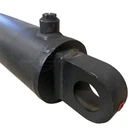

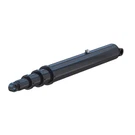


As a seasoned supplier of dump truck cylinders, I've witnessed firsthand the pivotal role that every component plays in the efficient operation of these heavy - duty vehicles. Among these components, the rod in a dump truck cylinder is far from being just another part; it is a key player in the entire system.


The Basics of a Dump Truck Cylinder
Before delving into the role of the rod, it's essential to understand the basic structure and function of a dump truck cylinder. Dump truck cylinders are hydraulic devices that are responsible for lifting the dump body to unload its cargo. There are different types of dump truck cylinders available in the market, such as the Underbody Telescopic Cylinder, Front - end Cylinder with Outer Cover, and Tipper Telescopic Cylinder. Each type has its own design and application scenarios, but they all operate on the principle of hydraulic pressure.
Structural and Functional Role of the Rod
Force Transmission
The primary role of the rod in a dump truck cylinder is to transmit the force generated by the hydraulic fluid. When hydraulic fluid is pumped into the cylinder, it creates pressure. This pressure acts on the piston, which is connected to the rod. The rod then transfers this force to the dump body of the truck. Without the rod, the force generated by the hydraulic system would not be effectively transferred to the point of application, and the dump body would not be able to lift.
Stability and Alignment
The rod also plays a crucial role in maintaining the stability and alignment of the dump body during the lifting process. It is designed to move in a straight line within the cylinder, ensuring that the dump body rises evenly. If the rod were to bend or deviate from its path, it could cause the dump body to tilt unevenly, leading to potential safety hazards and damage to the truck. For example, in a Tipper Telescopic Cylinder, the rod's precise movement is essential for the smooth and stable operation of the multiple telescopic stages.
Load - Bearing Capacity
Dump trucks often carry heavy loads, and the rod in the cylinder must be able to withstand the corresponding stress. The rod is typically made of high - strength materials such as alloy steel to ensure its load - bearing capacity. The diameter and length of the rod are carefully designed based on the expected load of the dump truck. A larger - diameter rod can generally handle greater loads, but it also needs to be balanced with the overall design of the cylinder and the hydraulic system.
Impact on the Performance of Different Types of Cylinders
Underbody Telescopic Cylinder
In an Underbody Telescopic Cylinder, the rod is part of a telescopic design. This means that the rod can extend and retract in multiple stages. The rod's ability to move smoothly through these stages is critical for the overall performance of the cylinder. Each stage of the rod needs to be precisely machined and lubricated to ensure seamless operation. The rod also needs to withstand the repeated extension and retraction cycles, which can cause wear and tear over time.
Front - end Cylinder with Outer Cover
The Front - end Cylinder with Outer Cover is usually located at the front of the dump truck. The rod in this type of cylinder is often exposed to various environmental factors such as dust, dirt, and moisture. The outer cover is designed to protect the rod from these elements, but the rod still needs to be resistant to corrosion and abrasion. A damaged rod in a front - end cylinder can lead to a loss of hydraulic pressure and a decrease in the lifting capacity of the dump body.
Maintenance and the Rod
Proper maintenance of the rod is essential for the long - term performance of the dump truck cylinder. Regular inspection of the rod for signs of wear, damage, or corrosion is necessary. Lubrication of the rod is also crucial to reduce friction and prevent premature wear. In addition, any misalignment or bending of the rod should be corrected immediately to avoid further damage to the cylinder and the dump truck.
Importance in Safety
The rod's proper functioning is directly related to the safety of the dump truck operation. A faulty rod can cause the dump body to malfunction during the lifting or lowering process, which can lead to accidents. For example, if the rod breaks during the lifting of a heavy load, the dump body could suddenly collapse, endangering the lives of the truck driver and nearby workers. Therefore, ensuring the quality and reliability of the rod is a top priority for dump truck operators and cylinder suppliers like us.
The Rod and the Overall Efficiency of the Dump Truck
The efficiency of a dump truck is highly dependent on the performance of its cylinder, and the rod is a key factor in this equation. A well - designed and properly maintained rod can ensure that the dump body can be lifted and lowered quickly and smoothly. This reduces the time spent on each unloading cycle, increasing the overall productivity of the dump truck. For example, in a construction site where time is of the essence, a dump truck with a high - performance cylinder rod can complete more unloading tasks in a shorter period.
Conclusion
In conclusion, the rod in a dump truck cylinder is a critical component that plays multiple vital roles. From force transmission and stability to load - bearing and safety, its performance directly impacts the operation of the dump truck. As a supplier of dump truck cylinders, we understand the importance of providing high - quality rods that meet the strictest standards. We use advanced manufacturing techniques and materials to ensure the durability and reliability of our rods.
If you are in the market for dump truck cylinders and are interested in learning more about our products or discussing your specific requirements, we invite you to reach out to us for a procurement consultation. Our team of experts is ready to assist you in finding the best solutions for your dump truck needs.
References
- Hydraulic Cylinder Design Handbook, various industry publications
- Dump Truck Maintenance and Operation Manuals from leading manufacturers