

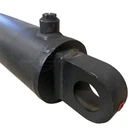



Piston pumps are crucial components in trucks, playing a vital role in various hydraulic systems. As a supplier of piston pumps for trucks, I often get asked about the materials used in their construction. Understanding these materials is essential for both truck manufacturers and maintenance professionals, as it directly impacts the performance, durability, and reliability of the pumps. In this blog post, I will delve into the common materials used in piston pumps for trucks and explain their significance.
Cast Iron
Cast iron is one of the most traditional materials used in the manufacturing of piston pumps. It is known for its excellent castability, which allows for the production of complex shapes with high precision. Cast iron also has good wear resistance, making it suitable for the high-pressure and high-friction environments within a piston pump.
One of the key advantages of cast iron is its ability to dampen vibrations. In a truck, where the engine and other components generate significant vibrations, this property helps to reduce noise and prevent premature wear of the pump components. Additionally, cast iron has a relatively high thermal conductivity, which helps to dissipate heat generated during operation, preventing overheating and ensuring the longevity of the pump.
However, cast iron is also relatively heavy, which can be a drawback in applications where weight reduction is a priority. To address this issue, some manufacturers use a combination of cast iron and other lighter materials to optimize the weight and performance of the pump.
Aluminum Alloys
Aluminum alloys have gained popularity in recent years due to their lightweight and corrosion-resistant properties. These alloys are made by combining aluminum with other elements such as copper, magnesium, and zinc to enhance their strength and durability.
The low density of aluminum alloys makes them an ideal choice for applications where weight reduction is critical, such as in modern trucks that aim to improve fuel efficiency. By using aluminum alloys in the construction of piston pumps, truck manufacturers can reduce the overall weight of the vehicle, resulting in lower fuel consumption and emissions.
In addition to their lightweight nature, aluminum alloys also offer excellent corrosion resistance. This is particularly important in trucks that operate in harsh environments, such as those exposed to saltwater or corrosive chemicals. The corrosion resistance of aluminum alloys helps to prevent the formation of rust and other forms of corrosion, which can damage the pump components and reduce their lifespan.
However, aluminum alloys have a lower hardness and wear resistance compared to cast iron. To overcome this limitation, manufacturers often use surface treatments or coatings to improve the wear resistance of the aluminum components. For example, anodizing is a common surface treatment that creates a hard, protective layer on the surface of the aluminum, enhancing its wear resistance and durability.
Steel
Steel is another commonly used material in the construction of piston pumps. It is known for its high strength, hardness, and wear resistance, making it suitable for applications that require heavy-duty performance.
There are different types of steel used in piston pumps, including carbon steel, alloy steel, and stainless steel. Carbon steel is the most basic type of steel and is commonly used in the manufacturing of pump bodies and other structural components. Alloy steel, on the other hand, is made by adding other elements such as chromium, nickel, and molybdenum to carbon steel to enhance its strength, hardness, and corrosion resistance. Stainless steel is a type of alloy steel that contains a high percentage of chromium, which gives it excellent corrosion resistance.
The high strength and hardness of steel make it capable of withstanding high pressures and forces, making it suitable for use in high-performance piston pumps. Steel components are also less likely to deform or break under heavy loads, ensuring the reliable operation of the pump.


However, steel is relatively heavy and has a higher cost compared to aluminum alloys. To balance the weight and cost, some manufacturers use a combination of steel and other materials in the construction of piston pumps. For example, they may use steel for the high-stress components and aluminum alloys for the lighter parts.
Piston Rod
The piston rod is an important component of the piston pump, and its material selection is crucial for the performance and reliability of the pump. Piston Rod is typically made of high-strength steel or stainless steel to withstand the high forces and pressures during operation.
High-strength steel offers excellent tensile strength and fatigue resistance, making it suitable for use in piston rods that are subjected to repeated loading. Stainless steel, on the other hand, provides superior corrosion resistance, which is essential in applications where the piston rod is exposed to moisture or corrosive substances.
In addition to the material, the surface finish of the piston rod also plays a significant role in its performance. A smooth surface finish reduces friction and wear, improving the efficiency and lifespan of the pump. Manufacturers often use precision machining and surface treatments to achieve the desired surface finish on the piston rod.
SRB Seamless Tube
The SRB seamless tube is another important material used in the construction of piston pumps. SRB Seamless Tube is made of high-quality steel and is characterized by its seamless structure, which provides excellent strength and durability.
The seamless design of the SRB tube eliminates the weak points that are present in welded tubes, making it more resistant to pressure and leakage. This is particularly important in piston pumps, where high pressures are generated and any leakage can lead to a loss of performance and efficiency.
The high-quality steel used in the SRB seamless tube also offers good corrosion resistance, ensuring the long-term reliability of the pump. Additionally, the smooth inner surface of the tube reduces friction and turbulence, improving the flow of hydraulic fluid and enhancing the overall performance of the pump.
Other Materials
In addition to the materials mentioned above, piston pumps for trucks may also use other materials such as rubber, plastics, and composites. These materials are used in various components of the pump, such as seals, gaskets, and valves, to provide sealing, insulation, and other functions.
Rubber is commonly used in the manufacturing of seals and gaskets due to its excellent elasticity and sealing properties. Rubber seals help to prevent the leakage of hydraulic fluid and ensure the proper functioning of the pump. Plastics and composites are also used in some applications to provide lightweight and cost-effective solutions. For example, plastic components can be used in the construction of the pump housing or other non-structural parts to reduce the weight and cost of the pump.
Conclusion
In conclusion, the materials used in the construction of piston pumps for trucks play a crucial role in determining their performance, durability, and reliability. Cast iron, aluminum alloys, steel, piston rods, SRB seamless tubes, and other materials each have their own unique properties and advantages, and manufacturers often use a combination of these materials to optimize the design and performance of the pump.
As a supplier of piston pumps for trucks, I understand the importance of using high-quality materials and advanced manufacturing techniques to ensure the reliability and performance of our products. We offer a wide range of piston pumps made from different materials to meet the diverse needs of our customers. Whether you are looking for a lightweight pump for improved fuel efficiency or a heavy-duty pump for high-pressure applications, we have the right solution for you.
If you are interested in learning more about our piston pumps for trucks or would like to discuss your specific requirements, please feel free to contact us. Our team of experts is ready to assist you and provide you with the best possible solutions. Let's work together to enhance the performance and reliability of your trucks.
References
- ASM Handbook, Volume 2: Properties and Selection: Nonferrous Alloys and Special-Purpose Materials
- Metals Handbook: Desk Edition, Third Edition
- Aluminum Association: Aluminum Design Manual
- Steel Manufacturers Association: Steel Products Manual