




Hey there! I'm a supplier of Tailgate Lift Cylinders, and today I want to chat about the special considerations when using these cylinders in a marine environment.
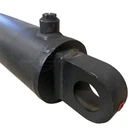
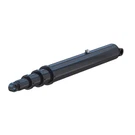
First off, let's understand what a Tailgate Lift Cylinder is. It's a crucial part in many applications, especially in garbage trucks. You can check out more about it on our Tailgate Lift Cylinder page. These cylinders are designed to provide the necessary force to lift and lower tailgates efficiently.
Now, when it comes to using them in a marine environment, things get a bit tricky. The marine environment is harsh, with saltwater, high humidity, and varying temperatures. All these factors can take a toll on the Tailgate Lift Cylinder.
One of the biggest challenges is corrosion. Saltwater is extremely corrosive, and it can eat away at the cylinder's components over time. This not only affects the cylinder's performance but also its lifespan. To combat this, we need to use materials that are highly resistant to corrosion. Stainless steel is a popular choice, as it has excellent corrosion resistance properties. It can withstand the harsh marine conditions and keep the cylinder functioning properly for a longer time.


Another important consideration is sealing. In a marine environment, water and moisture can easily seep into the cylinder if the seals are not up to the mark. This can lead to internal damage, such as rusting of the piston rod and contamination of the hydraulic fluid. We need to use high - quality seals that are specifically designed for marine applications. These seals should be able to prevent water ingress even under high pressure and in rough sea conditions.
The hydraulic fluid used in the Tailgate Lift Cylinder also needs special attention. In a marine environment, the fluid can be exposed to water and salt, which can cause it to break down and lose its lubricating properties. We should use a hydraulic fluid that is formulated to resist water contamination and has good anti - corrosion properties. This will ensure smooth operation of the cylinder and prevent premature wear and tear.
Temperature variations are also a factor in the marine environment. The temperature can range from very cold in the early morning to quite hot during the day. These temperature changes can affect the viscosity of the hydraulic fluid. If the fluid becomes too thick in cold temperatures, it can make the cylinder operate sluggishly. On the other hand, if it becomes too thin in hot temperatures, it may not provide enough lubrication. We need to choose a hydraulic fluid with a wide operating temperature range to ensure consistent performance in all weather conditions.
In addition to these technical aspects, maintenance is key. Regular inspections and maintenance can help detect any potential problems early on. We should check the cylinder for signs of corrosion, leaks, and wear on a regular basis. Any damaged parts should be replaced immediately to prevent further damage.
Now, let's talk about some of the related products. We also offer Ejector Cylinders and Compactor Cylinders. These cylinders also have their own set of considerations in a marine environment, but many of the principles we've discussed for the Tailgate Lift Cylinder apply to them as well.
If you're in the market for Tailgate Lift Cylinders or any of our other hydraulic cylinders for marine applications, we're here to help. We have a team of experts who can provide you with the right advice and products to meet your needs. Whether you're a small boat operator or a large marine company, we can offer solutions that are tailored to your specific requirements.
Don't hesitate to reach out if you have any questions or want to start a procurement discussion. We're eager to work with you and ensure that you get the best products for your marine operations.
References:
- "Marine Hydraulic Systems: Design and Maintenance" - A technical guide on hydraulic systems in marine environments.
- "Corrosion Resistance of Metals in Marine Applications" - Research on the best materials for withstanding marine corrosion.