

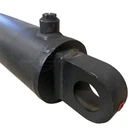



Hey there! As a supplier of Piston Pumps for Trucks, I often get asked whether these pumps need a pressure relief valve. It's a great question, and today I'm gonna dive deep into this topic to give you a clear answer.
First off, let's understand what a piston pump for trucks is. These pumps are a crucial part of a truck's hydraulic system. They work by using pistons to create pressure and move fluid. They're used in all sorts of applications, like lifting heavy loads, operating hydraulic brakes, and powering various other systems in the truck.
Now, let's talk about pressure relief valves. A pressure relief valve is a safety device that opens when the pressure in a system exceeds a certain set limit. Its main job is to protect the system from over - pressurization, which can cause damage to components, leaks, and even safety hazards.
So, do piston pumps for trucks need a pressure relief valve? The short answer is, in most cases, yes. Here's why.


Over - pressurization Risks
Piston pumps can generate high pressures. During normal operation, the pressure is usually within a safe range. But there are situations where things can go wrong. For example, if there's a blockage in the hydraulic lines, the fluid flow gets restricted. As the piston pump keeps working, the pressure in the system starts to build up. Without a pressure relief valve, this pressure can keep rising until it reaches a point where it can damage the pump itself, burst the hydraulic hoses, or cause other components like Piston Rods and SRB Seamless Tubes to fail.
System Malfunctions
Another reason is system malfunctions. Sometimes, the control system that regulates the pump's pressure might fail. Maybe there's an electrical glitch or a problem with the sensors. In such cases, the pump might keep generating pressure beyond what the system can handle. A pressure relief valve acts as a backup. It kicks in and releases the excess pressure, preventing a catastrophic failure.
Protecting Components
Truck hydraulic systems are made up of many expensive components. The piston pump itself is a significant investment, and so are the other parts like the hoses, valves, and cylinders. A pressure relief valve helps protect these components from damage due to over - pressurization. By releasing the excess pressure, it extends the lifespan of the entire system, saving you money on repairs and replacements in the long run.
Safety Considerations
Safety is always a top priority in the trucking industry. Over - pressurized hydraulic systems can be extremely dangerous. A burst hose can spray hot hydraulic fluid, which can cause burns to the operator. And if a component fails suddenly, it can lead to a loss of control of the truck's functions, like the brakes or the lifting mechanism. A pressure relief valve helps maintain a safe working environment by preventing these dangerous situations.
Exceptions
Now, there are some rare cases where a pressure relief valve might not be strictly necessary. For very simple, low - pressure hydraulic systems in trucks that have built - in pressure - limiting mechanisms in the pump design itself. But these are few and far between. Most modern truck hydraulic systems are complex and operate at high pressures, so a pressure relief valve is almost always a must.
Choosing the Right Pressure Relief Valve
If you've decided that your truck's piston pump needs a pressure relief valve, you need to choose the right one. Here are some factors to consider:
- Pressure Rating: The valve should be rated for the maximum pressure that your piston pump can generate. You don't want a valve that opens too early or too late.
- Flow Capacity: It needs to be able to handle the flow rate of the hydraulic fluid when it opens. If the valve can't handle the flow, it won't be able to release the pressure effectively.
- Reliability: Look for a valve that is well - made and has a good reputation for reliability. You don't want it to fail when you need it the most.
Installation and Maintenance
Once you've chosen the right pressure relief valve, proper installation is crucial. It should be installed in the correct location in the hydraulic system, following the manufacturer's instructions. And don't forget about maintenance. Regularly check the valve for any signs of wear, leaks, or blockages. Make sure it's still functioning properly.
Conclusion
In conclusion, for most piston pumps in trucks, a pressure relief valve is an essential component. It protects the system from over - pressurization, safeguards the components, and ensures the safety of the operators. If you're in the market for a piston pump for your truck or need a pressure relief valve, we're here to help. We have a wide range of high - quality Piston Pumps for Trucks and can assist you in choosing the right pressure relief valve for your specific needs.
If you're interested in learning more or making a purchase, don't hesitate to reach out. We're always happy to have a chat and discuss how we can meet your requirements. Let's work together to keep your truck's hydraulic system running smoothly and safely.
References
- Hydraulic Systems Handbook, 3rd Edition
- Trucking Industry Safety Guidelines
- Piston Pump Manufacturer's Manuals