

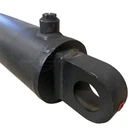



Hey there, folks! I'm a supplier of dump trailer cylinders, and I've seen my fair share of issues with these things. One common problem that can really throw a wrench in the works is air in the cylinders. In this blog, I'm gonna walk you through how to bleed air from dump trailer cylinders, so you can keep your equipment running smoothly.
Why Bleeding Air is Important
First off, let's talk about why it's so crucial to bleed air from your dump trailer cylinders. Air in the hydraulic system can cause all sorts of headaches. It can make the cylinders operate erratically, leading to jerky movements or even a complete loss of power. This not only affects the performance of your dump trailer but can also be a safety hazard.
When there's air in the cylinders, it compresses more easily than hydraulic fluid. This means that when you try to lift or lower the dump bed, the air bubbles will compress instead of the fluid pushing the piston, resulting in a spongy or unresponsive feel. Over time, this can also lead to increased wear and tear on the cylinders and other hydraulic components.
Tools You'll Need
Before you start bleeding the air from your dump trailer cylinders, you'll need to gather a few tools. Here's what you'll need:
- Hydraulic fluid: Make sure you have the right type of hydraulic fluid for your cylinders. Check your owner's manual for the recommended fluid.
- Wrenches: You'll need a set of wrenches to loosen and tighten the bleed screws on the cylinders.
- Container: Have a container ready to catch the hydraulic fluid that will come out during the bleeding process.
- Safety glasses and gloves: Hydraulic fluid can be messy and harmful if it gets in your eyes or on your skin, so it's important to protect yourself.
Step-by-Step Guide to Bleeding Air
Now that you have your tools ready, let's get started with the bleeding process. Here's a step-by-step guide:
Step 1: Prepare the Dump Trailer
- Park the dump trailer on a level surface and engage the parking brake. Make sure the engine is off and the hydraulic system is depressurized.
- Locate the bleed screws on the cylinders. These are usually small screws located near the top of the cylinders.
Step 2: Check the Hydraulic Fluid Level
- Open the hydraulic fluid reservoir and check the fluid level. If it's low, add the recommended hydraulic fluid until it reaches the proper level.
Step 3: Loosen the Bleed Screws
- Use a wrench to loosen the bleed screws on the cylinders. Be careful not to remove them completely, just loosen them enough to allow air and fluid to escape.
Step 4: Operate the Hydraulic System
- Start the engine and engage the hydraulic pump. Slowly raise and lower the dump bed several times. This will help to circulate the hydraulic fluid and force the air bubbles out through the bleed screws.
Step 5: Monitor the Bleed Screws
- As you operate the hydraulic system, keep an eye on the bleed screws. You should see a mixture of air and hydraulic fluid coming out. Once the fluid coming out is free of air bubbles, it's a sign that the air has been bled from the cylinders.
Step 6: Tighten the Bleed Screws
- Once the air has been bled from the cylinders, use a wrench to tighten the bleed screws. Make sure they are tightened securely, but don't over-tighten them.
Step 7: Check the Hydraulic Fluid Level Again
- After bleeding the air from the cylinders, check the hydraulic fluid level in the reservoir again. If it's low, add more fluid until it reaches the proper level.
Tips and Tricks
Here are a few tips and tricks to make the bleeding process easier and more effective:
- Work slowly: Take your time when operating the hydraulic system. Slow, deliberate movements will help to ensure that the air is properly bled from the cylinders.
- Bleed the cylinders one at a time: If your dump trailer has multiple cylinders, it's best to bleed them one at a time. This will help to ensure that all the air is removed from each cylinder.
- Use a clear hose: If you're having trouble seeing the fluid coming out of the bleed screws, you can attach a clear hose to the bleed screw and run it into a container. This will make it easier to see when the air bubbles have stopped.
- Repeat the process if necessary: If you still notice air in the cylinders after bleeding them once, repeat the process until all the air has been removed.
Our Dump Trailer Cylinders
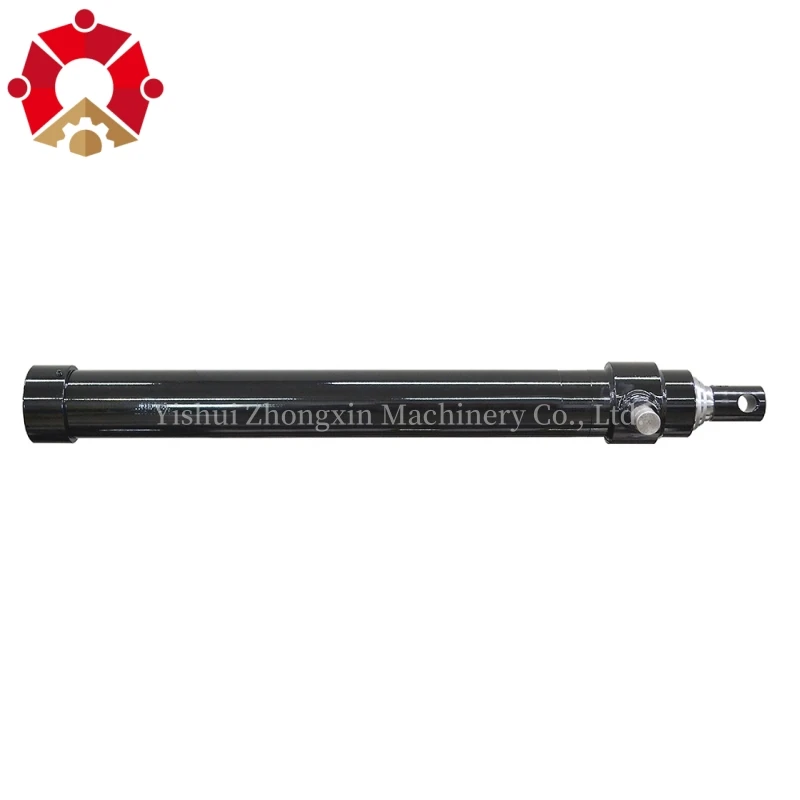
At our company, we offer a wide range of high-quality dump trailer cylinders to meet your needs. Whether you're looking for a 6" Bore X 15.75" Stroke Dump Hoist Hydraulic Cylinder, a 5" Bore × 20" Stroke Dump Hoist Hydraulic Cylinder, or a 12 Ton Telescopic Cylinders, we've got you covered.
Our cylinders are built to last, with durable materials and precision engineering. We use only the highest quality hydraulic fluid and components to ensure reliable performance and long service life. Plus, our cylinders are easy to install and maintain, so you can get back to work quickly.

Contact Us for Purchasing
If you're in the market for a new dump trailer cylinder or need to replace an existing one, we'd love to hear from you. Our team of experts is here to help you find the right cylinder for your needs and answer any questions you may have.
Whether you're a small business owner or a large fleet operator, we can provide you with the best products and services at competitive prices. So, don't hesitate to reach out to us today to discuss your purchasing options.
References
- Hydraulic Systems Handbook
- Dump Trailer Owner's Manuals