




Hydraulic systems are a cornerstone of modern industry, powering everything from heavy machinery to precision manufacturing equipment. As a leading hydraulic system supplier, I've had the privilege of witnessing firsthand the incredible capabilities and versatility of these systems. In this blog post, I'll delve into the inner workings of hydraulic systems, explaining how they function and why they're so essential in a wide range of applications.
The Basics of Hydraulics
At its core, a hydraulic system operates on the principle of Pascal's Law, which states that when pressure is applied to a confined fluid, the pressure change occurs throughout the entire fluid. In a hydraulic system, this fluid is typically oil, which is incompressible and can transmit force efficiently.
The system consists of several key components: a reservoir to hold the hydraulic fluid, a pump to create pressure, valves to control the flow of the fluid, and actuators (such as cylinders or motors) to convert the fluid's pressure into mechanical motion.
How a Hydraulic System Works
Let's break down the operation of a hydraulic system into its main stages:
1. Fluid Reservoir
The journey begins with the fluid reservoir, which stores the hydraulic oil. This reservoir is designed to hold an adequate amount of fluid to ensure continuous operation of the system. It also helps to cool the oil and remove any air bubbles that may have entered the system.
2. Pumping Action
The pump is the heart of the hydraulic system. Its primary function is to draw fluid from the reservoir and create pressure. There are different types of pumps used in hydraulic systems, including gear pumps, vane pumps, and piston pumps. Each type has its own advantages and is selected based on the specific requirements of the application.
For example, Piston Pumps for Trucks are commonly used in heavy-duty applications where high pressure and efficiency are required. These pumps work by using pistons to displace the fluid, creating a pulsating flow that can generate significant pressure.
3. Pressure Control
Once the fluid is pressurized by the pump, it flows through a series of valves that control its direction and flow rate. These valves are crucial for regulating the pressure and ensuring that the system operates safely and efficiently.
There are several types of valves used in hydraulic systems, including directional control valves, pressure control valves, and flow control valves. Directional control valves determine the path of the fluid, allowing it to flow to the appropriate actuator. Pressure control valves, on the other hand, maintain a constant pressure in the system by releasing excess pressure when necessary. Flow control valves regulate the speed of the actuator by controlling the amount of fluid that flows through it.
4. Actuator Operation
The pressurized fluid is then directed to the actuator, which converts the fluid's pressure into mechanical motion. Actuators can be either linear (such as cylinders) or rotary (such as motors).
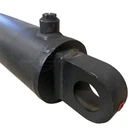
In a hydraulic cylinder, the pressurized fluid enters one side of the cylinder, forcing the piston to move in the opposite direction. This linear motion can be used to lift heavy loads, push or pull objects, or perform other tasks. Hydraulic motors, on the other hand, convert the fluid's pressure into rotational motion, which can be used to drive machinery, such as conveyor belts or hydraulic pumps.
5. Return to the Reservoir
After the actuator has completed its operation, the fluid returns to the reservoir through a return line. This allows the fluid to be reused in the system, ensuring continuous operation.
Advantages of Hydraulic Systems
Hydraulic systems offer several advantages over other types of power transmission systems, making them a popular choice in many industries. Some of the key advantages include:
- High Power Density: Hydraulic systems can generate a large amount of force in a relatively small space. This makes them ideal for applications where space is limited, such as in mobile equipment or industrial machinery.
- Precise Control: Hydraulic systems allow for precise control of force, speed, and position. This makes them suitable for applications that require accurate and repeatable movements, such as in robotics or manufacturing processes.
- Efficiency: Hydraulic systems are highly efficient, converting a large percentage of the input energy into useful work. This results in lower energy consumption and reduced operating costs.
- Reliability: Hydraulic systems are known for their reliability and durability. They can operate in harsh environments and withstand high loads and pressures without significant wear and tear.
Applications of Hydraulic Systems
Hydraulic systems are used in a wide range of applications across various industries. Some of the common applications include:
- Construction Equipment: Hydraulic systems are used in construction equipment such as excavators, bulldozers, and cranes to power the lifting, digging, and moving functions.
- Agricultural Machinery: In the agricultural industry, hydraulic systems are used in tractors, combines, and other equipment to control the movement of implements, such as plows and harvesters.
- Manufacturing: Hydraulic systems are used in manufacturing processes to power presses, injection molding machines, and other equipment. They provide the force and precision required for these operations.
- Automotive Industry: Hydraulic systems are used in vehicles for various functions, including power steering, braking, and suspension systems. They help to improve the performance and safety of the vehicle.
- Aerospace: In the aerospace industry, hydraulic systems are used in aircraft for flight control, landing gear operation, and other critical functions. They provide the reliability and precision required for safe and efficient flight.
Choosing the Right Hydraulic Components
As a hydraulic system supplier, I understand the importance of choosing the right components for your specific application. When selecting hydraulic components, it's essential to consider factors such as the required pressure, flow rate, and operating conditions.
For example, if you're looking for high-quality tubing for your hydraulic system, you might consider SRB Seamless Tube or Seamless Cold-drawn Tube. These tubes are designed to withstand high pressures and provide a reliable and leak-free connection.
It's also important to work with a reputable supplier who can provide technical support and guidance. At our company, we have a team of experts who can help you select the right components and ensure that your hydraulic system operates at its best.
Conclusion
Hydraulic systems are a vital part of modern industry, offering high power density, precise control, and reliability. By understanding how these systems work and choosing the right components, you can ensure that your hydraulic system meets your specific requirements and performs efficiently.


If you're in the market for a hydraulic system or need to replace or upgrade existing components, I encourage you to contact us. Our team of experts is ready to assist you with your hydraulic needs and help you find the best solutions for your application. Whether you're in the construction, agricultural, manufacturing, automotive, or aerospace industry, we have the expertise and products to meet your demands.
References
- Fluid Power Handbook, edited by George E. Totten
- Hydraulic System Design and Application, by Anthony Esposito