




The service life of hydraulic tilt cylinders is a critical concern for users across various industries, from agriculture to construction. As a supplier of Hydraulic Tilt Cylinders, I've encountered numerous inquiries regarding this topic. In this blog, I'll delve into the factors influencing the service life of hydraulic tilt cylinders and provide insights to help you maximize their longevity.
Understanding Hydraulic Tilt Cylinders
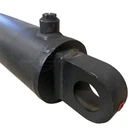
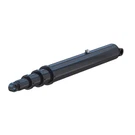
Before discussing their service life, it's essential to understand what hydraulic tilt cylinders are and how they function. Hydraulic tilt cylinders are mechanical devices that use hydraulic fluid to generate linear motion. They consist of a cylinder barrel, piston, piston rod, and various seals and valves. When hydraulic fluid is pumped into the cylinder, it pushes the piston, causing the piston rod to extend or retract. This linear motion is then used to tilt or move heavy loads in a controlled manner.
Hydraulic tilt cylinders are widely used in agricultural machinery, such as tractors and combines, as well as in construction equipment, such as excavators and loaders. They are also used in industrial applications, such as material handling and manufacturing.
Factors Affecting the Service Life of Hydraulic Tilt Cylinders
The service life of hydraulic tilt cylinders can vary significantly depending on several factors. Here are some of the key factors that can affect their longevity:
1. Quality of Materials and Manufacturing
The quality of materials used in the construction of hydraulic tilt cylinders is crucial. High-quality materials, such as chrome-plated piston rods and high-strength steel cylinder barrels, are more resistant to wear, corrosion, and fatigue. Additionally, precise manufacturing processes ensure proper fit and alignment of components, reducing the risk of premature failure.
At our company, we use only the highest quality materials and state-of-the-art manufacturing techniques to produce our Hydraulic Tilt Cylinders. Our cylinders are designed to withstand the most demanding applications and provide reliable performance for years to come.
2. Operating Conditions
The operating conditions in which hydraulic tilt cylinders are used can have a significant impact on their service life. Factors such as temperature, pressure, load, and duty cycle can all affect the performance and durability of the cylinders.


- Temperature: Extreme temperatures can cause the hydraulic fluid to break down, leading to increased wear and tear on the cylinder components. Additionally, high temperatures can cause the seals to harden and lose their flexibility, resulting in leaks.
- Pressure: Excessive pressure can cause the cylinder components to deform or fail. It's important to ensure that the hydraulic system is designed to operate within the recommended pressure range of the cylinders.
- Load: Overloading the cylinders can cause excessive stress on the components, leading to premature failure. It's important to select cylinders with the appropriate load capacity for the application.
- Duty Cycle: The duty cycle refers to the amount of time the cylinders are in operation compared to the amount of time they are at rest. High-duty cycle applications can cause the cylinders to overheat and wear out more quickly.
3. Maintenance and Lubrication
Proper maintenance and lubrication are essential for extending the service life of hydraulic tilt cylinders. Regular maintenance, such as inspecting the cylinders for leaks, checking the hydraulic fluid level and quality, and replacing worn or damaged components, can help prevent premature failure.
Lubrication is also crucial for reducing friction and wear on the cylinder components. The hydraulic fluid used in the system acts as a lubricant, but it's important to ensure that the fluid is clean and free of contaminants. Additionally, some cylinders may require additional lubrication of the piston rod and other moving parts.
4. Installation and Alignment
Proper installation and alignment of hydraulic tilt cylinders are critical for their performance and longevity. Incorrect installation can cause the cylinders to bind or operate inefficiently, leading to increased wear and tear on the components.
It's important to follow the manufacturer's installation instructions carefully and ensure that the cylinders are properly aligned with the load. Additionally, the mounting brackets and other hardware should be securely fastened to prevent vibration and movement.
Average Service Life of Hydraulic Tilt Cylinders
The average service life of hydraulic tilt cylinders can vary depending on the factors discussed above. In general, well-maintained cylinders can last anywhere from 5 to 15 years or more. However, in harsh operating conditions or applications with high-duty cycles, the service life may be significantly shorter.
It's important to note that the service life of hydraulic tilt cylinders is not a fixed value and can be affected by many factors. By following the best practices outlined in this blog, you can maximize the service life of your cylinders and ensure reliable performance for years to come.
Extending the Service Life of Hydraulic Tilt Cylinders
To extend the service life of hydraulic tilt cylinders, it's important to take a proactive approach to maintenance and care. Here are some tips to help you maximize the longevity of your cylinders:
1. Choose High-Quality Cylinders
Investing in high-quality hydraulic tilt cylinders from a reputable supplier is the first step in ensuring long-term performance. Look for cylinders that are made from high-quality materials, have a proven track record of reliability, and are backed by a comprehensive warranty.
2. Follow the Manufacturer's Recommendations
The manufacturer's recommendations for installation, operation, maintenance, and lubrication are essential for ensuring the proper performance and longevity of hydraulic tilt cylinders. Make sure to read and follow the instructions carefully and keep a record of all maintenance and servicing activities.
3. Monitor Operating Conditions
Regularly monitor the operating conditions of the hydraulic tilt cylinders, including temperature, pressure, load, and duty cycle. If you notice any abnormal conditions or performance issues, take immediate action to address them.
4. Perform Regular Maintenance
Regular maintenance is crucial for extending the service life of hydraulic tilt cylinders. This includes inspecting the cylinders for leaks, checking the hydraulic fluid level and quality, and replacing worn or damaged components. Additionally, make sure to lubricate the cylinders as recommended by the manufacturer.
5. Train Your Operators
Proper training of operators is essential for ensuring the safe and efficient operation of hydraulic tilt cylinders. Make sure your operators are familiar with the equipment, understand the operating procedures, and know how to identify and address potential problems.
Conclusion
The service life of hydraulic tilt cylinders is influenced by many factors, including the quality of materials and manufacturing, operating conditions, maintenance and lubrication, and installation and alignment. By understanding these factors and taking a proactive approach to maintenance and care, you can maximize the service life of your cylinders and ensure reliable performance for years to come.
As a supplier of Hydraulic Tilt Cylinders, we are committed to providing our customers with high-quality products and exceptional service. If you have any questions or need assistance with your hydraulic tilt cylinders, please don't hesitate to contact us. We look forward to working with you to meet your hydraulic cylinder needs.
References
- "Hydraulic Cylinder Design and Application Handbook" by James F. Casey
- "Fluid Power with Applications" by Anthony Esposito