

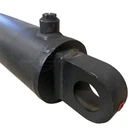



Hey there! As a side tipper cylinder supplier, I often get asked about the difference between hydraulic and pneumatic side tipper cylinders. It's a pretty common question, and it's important to understand these differences if you're in the market for one of these cylinders. So, let's dive right in and break it down.
1. Basic Working Principles
First off, let's talk about how they work. Hydraulic side tipper cylinders use a liquid, usually oil, to transfer power. When you pump oil into the cylinder, it creates pressure that moves the piston. This piston movement is what does the heavy - lifting, or in this case, the tipping. On the other hand, pneumatic side tipper cylinders use compressed air. You pump air into the cylinder, and the air pressure pushes the piston to do the job.
The big difference here is the medium. Oil is a liquid, and air is a gas. Liquids are generally incompressible, while gases are compressible. This has a huge impact on how the cylinders perform.
2. Power and Force
When it comes to power and force, hydraulic side tipper cylinders take the cake. Since oil is incompressible, you can generate a lot more pressure in a hydraulic system. This means hydraulic cylinders can handle much heavier loads. If you're dealing with large, heavy materials that need to be tipped, like large amounts of gravel or heavy machinery parts, a hydraulic side tipper cylinder is the way to go.
Pneumatic cylinders, however, are better suited for lighter loads. The compressibility of air limits the amount of pressure you can build up. So, if you're working with smaller, lighter items, a pneumatic side tipper cylinder might be sufficient. For example, if you're tipping small containers of plastic parts in a factory, a pneumatic cylinder could work just fine.
3. Speed and Precision
In terms of speed, pneumatic cylinders are generally faster. Air can be pumped in and out of the cylinder quickly, allowing for rapid piston movement. This makes them great for applications where you need fast, repeated movements. For instance, in an assembly line where you need to tip small parts quickly and frequently, a pneumatic side tipper cylinder can get the job done in no time.
Hydraulic cylinders, on the other hand, are more precise. Because of the incompressibility of oil, you can control the movement of the piston more accurately. This is crucial in applications where you need to tip materials at a specific angle or with a specific amount of force. For example, in a construction site where you're tipping concrete into a mold, you need that precision to ensure a proper pour.


4. Maintenance and Durability
Maintenance is another area where these two types of cylinders differ. Hydraulic cylinders require more maintenance. The oil needs to be changed regularly to prevent contamination, and the seals need to be checked for leaks. However, if maintained properly, hydraulic cylinders can be very durable. They can withstand a lot of wear and tear, especially in harsh environments.
Pneumatic cylinders are generally easier to maintain. There's no oil to change, and the system is less complex. However, they may not be as durable as hydraulic cylinders, especially in environments with a lot of dust or moisture. The air filters need to be cleaned regularly to prevent blockages, and the seals can wear out over time.
5. Cost
Cost is always a factor when making a purchasing decision. Pneumatic side tipper cylinders are usually cheaper upfront. They're simpler in design, and the components are less expensive. Also, since they use air, there's no need for an expensive hydraulic fluid.
Hydraulic cylinders, however, can be more cost - effective in the long run, especially for heavy - duty applications. They can handle larger loads and are more durable, which means less downtime and fewer replacements.
6. Applications
Let's talk about some specific applications for each type of cylinder.
Hydraulic Side Tipper Cylinders
- Construction Industry: In construction, hydraulic side tipper cylinders are used in dump trucks to tip large amounts of soil, sand, or gravel. They can also be found in concrete mixers to tip the concrete into the desired location. For example, Double Acting Hydraulic Cylinder is a great option for these heavy - duty construction applications.
- Mining Industry: Mines often use hydraulic side tipper cylinders to tip ore carts. The high power and precision of hydraulic cylinders are essential in this industry, where large amounts of heavy materials need to be moved.
Pneumatic Side Tipper Cylinders
- Food and Beverage Industry: In food processing plants, pneumatic side tipper cylinders are used to tip small containers of ingredients. The fast speed and easy maintenance make them a good choice for this industry, where hygiene and efficiency are important.
- Automotive Assembly Lines: Pneumatic cylinders are used to tip small parts during the assembly process. Their ability to move quickly and repeatedly is ideal for this type of application.
7. Our Product Range
As a side tipper cylinder supplier, we offer a wide range of both hydraulic and pneumatic side tipper cylinders. Our Hydraulic Crutch 65 - 70/80 - 250 is a popular hydraulic option. It's designed for heavy - duty applications and offers excellent power and durability.
If you're looking for a pneumatic solution, our Clevis Hydraulic Cylinders are a great choice. They're reliable, fast, and easy to maintain.
8. Making the Right Choice
So, how do you decide which type of side tipper cylinder is right for you? It all comes down to your specific needs. Consider the load you need to tip, the speed and precision requirements, the environment in which the cylinder will operate, and your budget.
If you need to handle heavy loads, require high precision, and can afford the upfront cost and maintenance, a hydraulic side tipper cylinder is the way to go. On the other hand, if you're working with lighter loads, need fast movement, and want a more budget - friendly option, a pneumatic side tipper cylinder might be the better choice.
9. Contact Us for Purchasing
If you're still not sure which type of side tipper cylinder is best for your application, or if you're ready to make a purchase, don't hesitate to reach out. We're here to help you make the right decision and provide you with high - quality cylinders that meet your needs. Whether it's a hydraulic or pneumatic side tipper cylinder, we've got you covered.
References
- "Hydraulic and Pneumatic Systems" by O. P. Gupta
- "Fluid Power Technology" by Arthur R. Baumann