

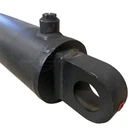



Hey there! As a supplier of Dump Cylinders, I've seen firsthand how crucial proper alignment is during installation. A misaligned dump cylinder can lead to a whole host of problems, from premature wear and tear to serious safety hazards. So, in this blog post, I'm gonna share some tips on how to ensure the alignment of a dump cylinder during installation.
Understanding the Basics of Dump Cylinder Alignment
Before we dive into the installation process, it's important to understand what we mean by "alignment." In simple terms, alignment refers to the proper positioning of the dump cylinder relative to the vehicle's frame and the dump body. This includes ensuring that the cylinder is straight, level, and centered within its mounting points.
Proper alignment is essential for several reasons. First and foremost, it ensures that the dump cylinder operates smoothly and efficiently. When the cylinder is misaligned, it can cause uneven stress on the piston rod, seals, and other components, leading to premature failure. Additionally, misalignment can cause the dump body to tilt or shift during operation, which can be dangerous for both the operator and anyone in the vicinity.
Pre-Installation Checks
Before you start installing the dump cylinder, it's important to perform a few pre-installation checks to ensure that everything is in order. Here are some things to look out for:
- Inspect the Mounting Points: Check the mounting points on the vehicle's frame and the dump body to make sure they are clean, free of debris, and in good condition. Any damage or corrosion to the mounting points can affect the alignment of the cylinder.
- Measure the Mounting Dimensions: Use a measuring tape or caliper to measure the distance between the mounting points on the vehicle's frame and the dump body. Make sure these dimensions match the specifications of the dump cylinder you are installing.
- Check the Cylinder for Damage: Inspect the dump cylinder for any signs of damage, such as dents, scratches, or leaks. If you notice any damage, do not install the cylinder and contact the manufacturer for further instructions.
Installation Process
Once you've completed the pre-installation checks, it's time to start installing the dump cylinder. Here's a step-by-step guide on how to do it:


- Position the Cylinder: Place the dump cylinder in position between the mounting points on the vehicle's frame and the dump body. Make sure the cylinder is centered and level.
- Attach the Mounting Brackets: Use the appropriate bolts and nuts to attach the mounting brackets to the vehicle's frame and the dump body. Make sure the brackets are tightened securely, but do not over-tighten them.
- Connect the Hydraulic Hoses: Connect the hydraulic hoses to the dump cylinder according to the manufacturer's instructions. Make sure the hoses are properly secured and there are no leaks.
- Check the Alignment: Once the cylinder is installed and the hydraulic hoses are connected, check the alignment of the cylinder using a straightedge or a laser alignment tool. Make any necessary adjustments to ensure that the cylinder is straight and level.
- Test the Cylinder: Before putting the vehicle back into service, test the dump cylinder to make sure it operates smoothly and efficiently. Raise and lower the dump body several times to check for any signs of misalignment or other problems.
Tips for Ensuring Proper Alignment
Here are some additional tips to help you ensure proper alignment of the dump cylinder during installation:
- Use a Professional Installation Service: If you're not comfortable installing the dump cylinder yourself, consider hiring a professional installation service. They have the experience and expertise to ensure that the cylinder is installed correctly and aligned properly.
- Follow the Manufacturer's Instructions: Always follow the manufacturer's instructions when installing the dump cylinder. This includes using the correct tools, torque specifications, and installation procedures.
- Check the Alignment Regularly: Even after the dump cylinder is installed, it's important to check the alignment regularly to make sure it remains in place. This can help prevent premature wear and tear and ensure the safety of the operator and anyone in the vicinity.
Conclusion
Ensuring the alignment of a dump cylinder during installation is essential for the safe and efficient operation of the vehicle. By following the tips and guidelines outlined in this blog post, you can help ensure that your dump cylinder is installed correctly and aligned properly. If you have any questions or need further assistance, please don't hesitate to contact us. We're here to help you find the right Dump Cylinder for your needs and ensure that it's installed correctly.
If you're in the market for a high-quality dump cylinder, we invite you to check out our selection of Packer Cylinder and Compactor Cylinders. We offer a wide range of cylinders to meet the needs of any application, and our team of experts is always available to help you find the right one for your needs. Contact us today to learn more about our products and services and to get a quote.
References
- Manufacturer's installation instructions for dump cylinders
- Industry best practices for hydraulic cylinder installation and alignment