




Hey there! As a supplier of Dump Bed Trucks Hoist, I've seen firsthand how crucial every component is in making these trucks work efficiently. Today, I want to talk about one of the most important parts of a hydraulic hoist in dump bed trucks: the piston.
What's a Piston in a Hydraulic Hoist?
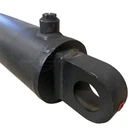
First off, let's get a basic understanding of what a piston is. In a hydraulic hoist, the piston is like the muscle. It's a cylindrical piece that moves up and down inside a cylinder. When hydraulic fluid is pumped into one side of the cylinder, it pushes the piston, and this movement is what makes the dump bed of the truck go up and down.
The Role of the Piston in Lifting Power
The main job of the piston in a hydraulic hoist is to generate the force needed to lift the heavy load in the dump bed. Think about it - dump bed trucks are used to carry all sorts of stuff, from dirt and gravel to construction materials. These loads can be really heavy, sometimes weighing several tons. The piston has to be strong enough to handle that weight and lift the dump bed smoothly.
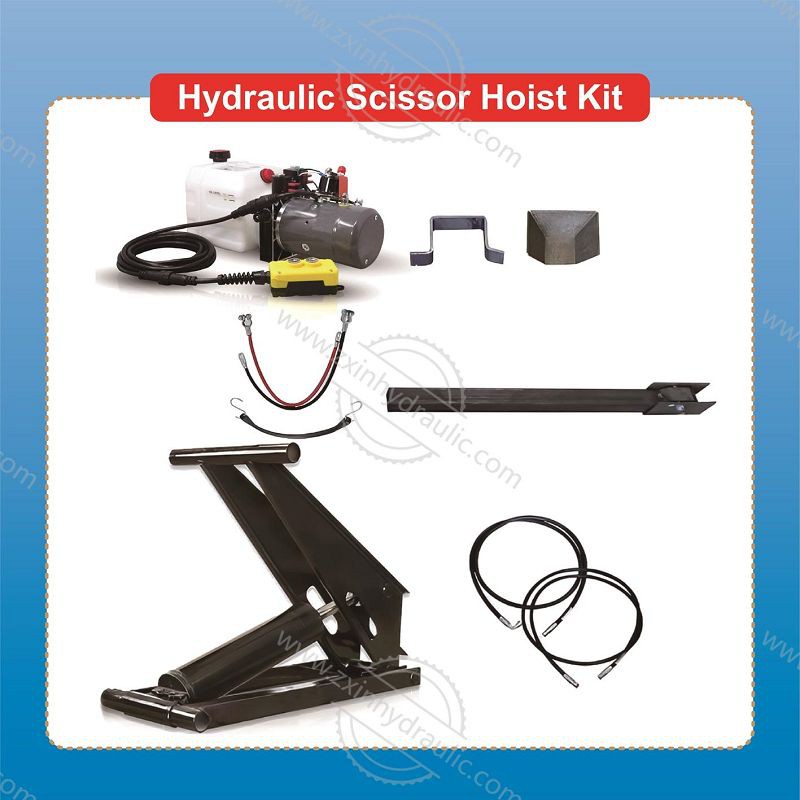

The size and design of the piston play a big role in determining the lifting power. A larger piston can usually generate more force because there's more surface area for the hydraulic fluid to push against. That's why you'll often see bigger pistons in hoists designed for heavy - duty dump bed trucks. For example, if you're dealing with a truck that needs to lift large amounts of construction debris, a hoist with a larger piston will be more suitable.
Precision and Control
Another important aspect is precision and control. The piston allows for very precise movement of the dump bed. Hydraulic systems are known for their ability to provide smooth and controlled motion, and the piston is a key part of that. When the operator wants to raise or lower the dump bed, they can do it in small increments. This is really useful when you're trying to unload materials in a specific location or at a certain rate.
For instance, if you're unloading gravel into a small area, you don't want to just dump it all at once. You need to be able to lower the dump bed slowly and steadily. The piston, along with the rest of the hydraulic system, makes this kind of precise control possible.
Durability and Reliability
Dump bed trucks are often used in tough working conditions. They're out on construction sites, in mines, and on rough roads. The piston has to be durable enough to withstand these harsh environments. It's made from high - quality materials like steel or aluminum, which are strong and resistant to wear and tear.
A reliable piston means less downtime for the truck. If the piston fails, the hoist won't work, and the truck can't do its job. That can be a big problem, especially in industries where time is money. As a supplier, we make sure that the pistons we use in our Dump Bed Trucks Hoist are built to last.
Efficiency and Energy Savings
The piston also contributes to the overall efficiency of the hydraulic hoist. A well - designed piston can reduce the amount of energy needed to operate the hoist. When the piston moves smoothly, there's less friction, which means less energy is wasted. This is not only good for the environment but also for the truck owner's bottom line. Lower energy consumption means lower fuel costs over time.
Different Types of Pistons for Different Needs
There are different types of pistons available for hydraulic hoists in dump bed trucks. Some are designed for high - speed operation, which can be useful if you need to quickly raise and lower the dump bed. Others are optimized for high - load capacity, ideal for heavy - duty applications.
As a supplier, we offer a range of hoists with different piston designs to meet the diverse needs of our customers. Whether you're a small landscaping business looking for a more lightweight hoist or a large construction company in need of a heavy - duty solution, we've got you covered.
Compatibility with Other Components
The piston doesn't work alone. It has to be compatible with other components in the hydraulic hoist system, such as the hydraulic pump, valves, and hoses. If the piston isn't properly matched with these other parts, the hoist may not work efficiently or could even fail.
We make sure that all the components in our Dump Bed Trucks Hoist are carefully selected and tested to work together seamlessly. This ensures that the hoist operates at its best and provides reliable performance over the long term.
Maintenance and Long - Term Performance
Proper maintenance of the piston is essential for long - term performance. Regularly checking the piston for signs of wear, such as scratches or leaks, can help prevent major problems. If there's any damage to the piston, it should be repaired or replaced as soon as possible.
We provide our customers with detailed maintenance guides to help them keep their hoists in top condition. By following these guidelines, they can extend the life of the piston and the entire hoist system.
Conclusion and Call to Action
In conclusion, the piston is an incredibly important part of the hydraulic hoist in dump bed trucks. It's responsible for providing the lifting power, precision, durability, and efficiency that these trucks need to do their jobs effectively.
If you're in the market for a Dump Bed Trucks Hoist, Hydraulic Scissor Hoists, or Tipper Trailer Kits, we're here to help. We offer high - quality products that are designed to meet your specific needs. Whether you have questions about our products or want to discuss your requirements in more detail, don't hesitate to get in touch. We're ready to assist you in finding the perfect hoist solution for your dump bed truck.
References
- "Hydraulic Systems Handbook" by an industry expert.
- Technical manuals from leading hydraulic component manufacturers.