

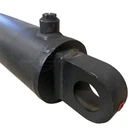



Hey there! As a supplier of Tailgate Lift Cylinders, I often get asked about how to adjust the air pressure for these cylinders. It's a crucial part of maintaining the performance and longevity of your tailgate lift system. So, let's dive right in and break down the process step by step.
Why Adjusting Air Pressure Matters
First off, you might be wondering why adjusting the air pressure in a pneumatic tailgate lift cylinder is so important. Well, the right air pressure ensures that the cylinder operates smoothly and efficiently. If the pressure is too low, the lift might not be able to handle the load properly, leading to slow or incomplete lifting. On the other hand, if the pressure is too high, it can put excessive stress on the cylinder and other components, increasing the risk of damage and reducing the overall lifespan of the system.
What You'll Need
Before you start adjusting the air pressure, you'll need a few tools. You'll need a pressure gauge to measure the current air pressure in the cylinder. A good quality pressure gauge will give you an accurate reading, which is essential for making the right adjustments. You'll also need an air compressor to add or release air from the cylinder. Make sure the compressor is in good working condition and can provide the right amount of pressure.
Step 1: Safety First
Safety should always be your top priority when working with pneumatic systems. Make sure the tailgate lift is in a stable position and that there are no obstructions around it. Wear appropriate safety gear, such as safety glasses and gloves, to protect yourself from any potential hazards. Before you start working on the cylinder, turn off the power supply to the lift system to prevent any accidental movement.
Step 2: Locate the Pressure Adjustment Valve
The next step is to locate the pressure adjustment valve on the pneumatic tailgate lift cylinder. This valve is usually located near the top or bottom of the cylinder and is used to control the flow of air in and out of the cylinder. It might be covered by a protective cap, so you'll need to remove it to access the valve.
Step 3: Check the Current Pressure
Once you've located the pressure adjustment valve, use your pressure gauge to check the current air pressure in the cylinder. Connect the pressure gauge to the valve and make sure it's securely attached. Read the pressure on the gauge and compare it to the recommended pressure for your specific tailgate lift cylinder. You can usually find this information in the manufacturer's manual or on the product label.
Step 4: Adjust the Pressure
If the current pressure is too low, you'll need to add air to the cylinder. Connect your air compressor to the pressure adjustment valve and slowly open the valve to allow air to flow into the cylinder. Keep an eye on the pressure gauge and stop adding air when you reach the recommended pressure. If the current pressure is too high, you'll need to release some air from the cylinder. Carefully open the pressure adjustment valve to release a small amount of air at a time. Check the pressure gauge frequently to make sure you don't release too much air.
Step 5: Test the Lift
After you've adjusted the air pressure, it's time to test the tailgate lift. Turn on the power supply to the lift system and operate the lift a few times to make sure it's working properly. Pay attention to how the lift moves and if there are any unusual noises or vibrations. If the lift still isn't working correctly, you might need to make further adjustments to the air pressure.
Step 6: Monitor the Pressure
Once you've adjusted the air pressure and tested the lift, it's important to monitor the pressure regularly. Over time, the air pressure in the cylinder can change due to factors such as temperature and usage. Check the pressure at least once a month and make any necessary adjustments to keep the lift operating at its best.
Other Related Cylinders
In addition to Tailgate Lift Cylinders, we also supply other types of cylinders for garbage trucks. For example, the Packer Cylinder is used to compress the garbage in the truck, while the Dump Cylinder is used to empty the truck. These cylinders also require proper maintenance and pressure adjustment to ensure optimal performance.


Conclusion
Adjusting the air pressure for a pneumatic tailgate lift cylinder might seem like a complicated task, but it's actually quite straightforward if you follow the right steps. By maintaining the correct air pressure, you can ensure that your tailgate lift system operates smoothly and efficiently, and that it lasts for a long time.
If you're in the market for a high-quality Tailgate Lift Cylinder or any other related products, don't hesitate to reach out. We're here to provide you with the best products and support. Whether you have questions about pressure adjustment or need help choosing the right cylinder for your needs, we're just a message away. Let's start a conversation and see how we can work together to meet your requirements.
References
- Manufacturer's manuals for pneumatic tailgate lift cylinders
- Industry standards for pneumatic system maintenance