

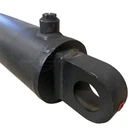



Hey there! As a supplier of Hydraulic Pistons, I've seen firsthand how important it is to extend the lifespan of these crucial components. In this blog, I'm gonna share some practical tips and tricks that can help you get the most out of your hydraulic pistons.
Understanding the Basics of Hydraulic Pistons
Before we dive into the ways to extend the lifespan of a hydraulic piston, let's quickly go over what a hydraulic piston is and how it works. A hydraulic piston is a key part of a hydraulic cylinder, which uses hydraulic fluid to generate force. When the hydraulic fluid is pressurized, it pushes against the piston, causing it to move and perform work.
You can check out our Hydraulic Piston page to learn more about the different types and specifications we offer.
Keep the Hydraulic Fluid Clean
One of the most important factors in extending the lifespan of a hydraulic piston is keeping the hydraulic fluid clean. Contaminated fluid can cause a whole bunch of problems, like wear and tear on the piston and other components, reduced efficiency, and even system failure.
Here are some tips to keep the hydraulic fluid clean:
- Use high - quality filters: Make sure you're using filters that are designed to remove contaminants from the hydraulic fluid. Replace the filters regularly according to the manufacturer's recommendations.
- Keep the reservoir clean: The hydraulic fluid reservoir can accumulate dirt and debris over time. Clean the reservoir periodically to prevent contaminants from getting into the fluid.
- Avoid overfilling or underfilling: Maintaining the correct fluid level is crucial. Overfilling can cause foaming, which can introduce air into the system, while underfilling can lead to cavitation and damage to the piston.
Proper Installation and Alignment
Installing the hydraulic piston correctly is essential for its long - term performance. Improper installation can lead to uneven wear, leaks, and other issues that can shorten the piston's lifespan.
Here's what you need to do during installation:
- Follow the manufacturer's instructions: Every hydraulic piston is different, so make sure you're following the specific installation guidelines provided by the manufacturer.
- Check for proper alignment: The piston needs to be properly aligned within the cylinder to ensure smooth operation. Misalignment can cause excessive friction and wear on the piston and the cylinder walls.
- Tighten the bolts correctly: Use the right torque when tightening the bolts that secure the piston and other components. Over - tightening or under - tightening can lead to problems.
Regular Maintenance and Inspection
Regular maintenance and inspection are key to catching potential problems early and preventing major damage to the hydraulic piston.


Here are some maintenance tasks you should perform regularly:
- Visual inspection: Check the piston and the cylinder for signs of wear, such as scratches, dents, or leaks. Look for any signs of fluid contamination or damage to the seals.
- Measure the piston clearance: Over time, the piston clearance can change due to wear. Measuring the clearance regularly can help you determine if the piston needs to be replaced or if there are other issues with the system.
- Lubrication: Make sure the piston and other moving parts are properly lubricated. Use the recommended lubricant and follow the lubrication schedule provided by the manufacturer.
Control the Operating Conditions
The operating conditions can have a big impact on the lifespan of a hydraulic piston. Here are some things you can do to control the operating conditions:
- Temperature control: Hydraulic systems can generate a lot of heat, which can cause the hydraulic fluid to break down and damage the piston. Make sure the system has proper cooling mechanisms in place to keep the temperature within the recommended range.
- Pressure control: Operating the hydraulic system at excessive pressures can put a lot of stress on the piston and other components. Make sure you're not exceeding the maximum pressure rating of the piston.
- Load control: Avoid overloading the hydraulic system. Excessive loads can cause the piston to work harder than it should, leading to increased wear and tear.
Choose the Right Hydraulic Piston for Your Application
Not all hydraulic pistons are created equal. Choosing the right piston for your specific application is crucial for its long - term performance.
Here are some factors to consider when choosing a hydraulic piston:
- Load requirements: Determine the maximum load that the piston will need to handle and choose a piston that is rated for that load.
- Stroke length: The stroke length is the distance the piston travels within the cylinder. Make sure the piston you choose has the appropriate stroke length for your application.
- Operating environment: Consider the environment in which the hydraulic system will be operating. If it's a harsh environment, such as one with high levels of dust or moisture, you may need a piston that is more resistant to corrosion and wear.
We offer a wide range of hydraulic pistons, including Single Acting Hydraulic Cylinder and Cross Tube Hydraulic Cylinders, to meet different application needs.
Train Your Operators
Your operators play a crucial role in the lifespan of the hydraulic piston. Make sure they are properly trained on how to operate the hydraulic system correctly.
Here are some training points for operators:
- Understand the system: Operators should have a basic understanding of how the hydraulic system works, including the function of the piston and other components.
- Follow the operating procedures: Teach operators to follow the correct operating procedures, such as starting and stopping the system properly, and avoiding sudden changes in pressure or load.
- Report any issues: Encourage operators to report any unusual noises, vibrations, or other signs of problems immediately so that they can be addressed before they cause major damage.
Conclusion
Extending the lifespan of a hydraulic piston is all about taking a proactive approach. By keeping the hydraulic fluid clean, installing the piston correctly, performing regular maintenance and inspection, controlling the operating conditions, choosing the right piston for your application, and training your operators, you can significantly increase the lifespan of your hydraulic piston and save money on repairs and replacements in the long run.
If you're in the market for high - quality hydraulic pistons or have any questions about extending the lifespan of your existing pistons, don't hesitate to get in touch with us. We're here to help you find the best solutions for your needs.
References
- Manufacturer's manuals for hydraulic pistons and cylinders
- Industry standards and best practices for hydraulic system maintenance