




Hey there! I'm an agricultural cylinders supplier, and I've seen firsthand the importance of these components in the farming industry. Today, I want to talk about a crucial topic: the potential risks of using damaged agricultural cylinders.
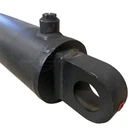
First off, let's understand what agricultural cylinders are. They're basically hydraulic cylinders used in various agricultural machinery. You've got Tie Rod Hydraulic Cylinder, which are commonly used in many farm equipment due to their simple design and easy maintenance. Then there are Agricultural Hydraulic Cylinders in general, which play a vital role in powering different functions of tractors, harvesters, and other farming tools. And don't forget Top Link Hydraulic Cylinders, which are essential for adjusting the position and angle of implements.
Now, let's dive into the risks.
1. Safety Hazards
One of the most significant risks is safety. Damaged cylinders can lead to sudden and unexpected failures. For example, if a hydraulic cylinder on a tractor's loader is damaged, it could lose pressure suddenly. This might cause the loader bucket to drop unexpectedly, hitting an operator or bystander. In the worst - case scenario, it could result in serious injuries or even fatalities.
I remember a farmer who came to me with a problem. His tractor's front - end loader cylinder had a small leak, and he thought he could keep using it until he had time to fix it. One day, while he was lifting a heavy load of hay bales, the cylinder failed completely. The loader bucket crashed down, narrowly missing him. It was a wake - up call for him, and he quickly replaced the damaged cylinder.
2. Reduced Equipment Performance
When agricultural cylinders are damaged, the performance of the entire agricultural machinery can take a nosedive. A damaged cylinder may not extend or retract smoothly, which can affect the operation of the attached implement. For instance, in a combine harvester, if the cylinder controlling the cutting height is damaged, the cutting height may not be consistent. This can lead to uneven harvesting, leaving some crops uncut and reducing the overall yield.
Moreover, damaged cylinders often require more energy to operate. The hydraulic system has to work harder to overcome the internal resistance caused by the damage. This not only increases fuel consumption but also puts additional stress on other components of the hydraulic system, such as the pump and valves. Over time, this can lead to premature wear and failure of these parts, resulting in more extensive and costly repairs.
3. Increased Downtime
Downtime is the enemy of any farmer. When a damaged agricultural cylinder causes a breakdown, the affected machinery has to be taken out of service for repairs. This can be a major problem, especially during peak farming seasons like planting or harvesting. Every day that a tractor or harvester is out of commission means lost time and potential revenue.
Let's say you have a large - scale farm with multiple fields to harvest. If a damaged cylinder on your harvester fails, you might have to wait for parts to arrive and for a technician to fix it. In the meantime, your crops may continue to mature, and some may even start to spoil in the field. This can result in significant financial losses for the farm.
4. Contamination
A damaged cylinder can also lead to hydraulic fluid contamination. When the seals of a cylinder are damaged, dirt, dust, and debris can enter the hydraulic system. These contaminants can then circulate throughout the system, causing damage to other components. For example, they can scratch the internal surfaces of the cylinder, reducing its efficiency and lifespan.
Contaminated hydraulic fluid can also cause problems with the hydraulic valves. The valves may not operate correctly, leading to issues such as erratic movement of the implements or even complete failure of the hydraulic system. Replacing contaminated hydraulic fluid and cleaning the entire system can be a time - consuming and expensive process.
5. Costly Repairs
Using damaged agricultural cylinders can ultimately lead to much more costly repairs in the long run. As I mentioned earlier, a small problem with a cylinder can cause damage to other components of the hydraulic system. What might have started as a simple seal replacement can turn into a major overhaul of the entire hydraulic system if the problem is not addressed promptly.
For example, if a damaged cylinder causes excessive wear on the hydraulic pump, you may have to replace the pump, which can be a very expensive part. Additionally, the labor costs associated with repairing a complex hydraulic system can add up quickly. It's always more cost - effective to replace a damaged cylinder as soon as possible rather than waiting for the problem to get worse.
How to Avoid These Risks
As an agricultural cylinders supplier, I always recommend regular maintenance and inspections of your hydraulic cylinders. Check for any signs of leaks, damage to the seals, or abnormal movement. If you notice any problems, don't hesitate to replace the damaged cylinder.


We offer a wide range of high - quality Agricultural Hydraulic Cylinders that are designed to meet the demanding needs of the farming industry. Our products are built to last, with durable materials and precision engineering.
If you're in the market for new agricultural cylinders or need advice on maintenance, don't hesitate to reach out. We're here to help you keep your farming equipment running smoothly and safely. Whether you need a Tie Rod Hydraulic Cylinder for your tractor's loader or a Top Link Hydraulic Cylinders for your implement, we've got you covered.
In conclusion, the potential risks of using damaged agricultural cylinders are significant. From safety hazards to costly repairs and downtime, it's clear that taking care of your hydraulic cylinders is essential for the success of your farming operation. So, don't take chances with damaged cylinders. Contact us today to discuss your needs and find the right agricultural cylinders for your equipment.
References
- Agricultural Machinery Handbook: Covers general information about hydraulic systems in farming equipment.
- Hydraulic Cylinder Manufacturer's Guides: Provide details on cylinder maintenance and troubleshooting.