




Hey there! I'm a supplier of Dump Bed Trucks Hoist, and I've seen firsthand how important it is to get the lifting height of these hoists just right. Whether you're in the construction business, hauling materials, or involved in any other industry that uses dump bed trucks, adjusting the lifting height can make a big difference in efficiency and safety. In this blog, I'm going to share some tips on how to adjust the lifting height of a dump bed trucks hoist.
Understanding the Basics
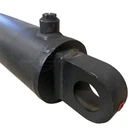
Before we dive into the adjustment process, let's quickly go over how a dump bed trucks hoist works. Most dump bed trucks use a hydraulic system to lift the bed. The hoist consists of a hydraulic cylinder, a pump, and a reservoir. When you activate the hoist, the pump sends hydraulic fluid from the reservoir into the cylinder, which then extends and lifts the dump bed.
The lifting height of the hoist is determined by several factors, including the length of the hydraulic cylinder, the pressure in the hydraulic system, and the design of the hoist itself. Adjusting the lifting height usually involves making changes to one or more of these factors.


Checking the Hydraulic System
The first step in adjusting the lifting height is to check the hydraulic system. Make sure the hydraulic fluid level is at the appropriate level. Low fluid levels can cause the hoist to not lift to its full height or operate inefficiently. You can usually check the fluid level using a dipstick or sight glass on the reservoir.
If the fluid level is low, add the recommended type of hydraulic fluid. It's important to use the right fluid to ensure proper operation of the hoist. Refer to the manufacturer's manual for the specific fluid requirements.
Next, check for any leaks in the hydraulic system. Leaks can cause a loss of pressure, which can affect the lifting height. Look for signs of fluid leakage around the hoses, fittings, and the hydraulic cylinder. If you find a leak, it's important to repair it as soon as possible. You may need to replace a damaged hose or fitting, or tighten a loose connection.
Adjusting the Pressure
One way to adjust the lifting height is to adjust the pressure in the hydraulic system. Most dump bed trucks hoists have a pressure relief valve that can be adjusted. The pressure relief valve is designed to limit the maximum pressure in the system to prevent damage to the hoist.
To adjust the pressure, you'll need to locate the pressure relief valve. It's usually located near the hydraulic pump. Use a wrench to turn the adjustment screw on the valve. Turning the screw clockwise will increase the pressure, while turning it counterclockwise will decrease the pressure.
It's important to make small adjustments and test the hoist after each adjustment. Increasing the pressure too much can cause damage to the hoist or other components of the hydraulic system. Refer to the manufacturer's manual for the recommended pressure range for your specific hoist.
Modifying the Hydraulic Cylinder
Another way to adjust the lifting height is to modify the hydraulic cylinder. This may involve replacing the cylinder with a longer one or adding an extension to the existing cylinder. However, this is a more complex and expensive option and should only be done by a qualified technician.
If you're considering modifying the hydraulic cylinder, you'll need to make sure that the new cylinder or extension is compatible with your hoist and the hydraulic system. You'll also need to ensure that the hoist can handle the additional weight and stress that may be imposed by the longer cylinder.
Using Different Hoist Configurations
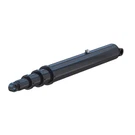
There are different types of hoists available for dump bed trucks, such as Hydraulic Scissor Hoists and Dump Trailer Telescopic Kits. Each type of hoist has its own characteristics and lifting capabilities.
If you're having trouble achieving the desired lifting height with your current hoist, you may want to consider switching to a different type of hoist. For example, a telescopic hoist may be able to provide a greater lifting height compared to a scissor hoist.
Safety Considerations
When adjusting the lifting height of a dump bed trucks hoist, safety should always be your top priority. Make sure to follow all safety procedures and guidelines provided by the manufacturer. Wear appropriate safety gear, such as gloves and safety glasses, when working on the hoist.
Before making any adjustments, make sure the dump bed is empty and the hoist is in the lowered position. This will prevent any accidental movement of the bed while you're working on the hoist.
Conclusion
Adjusting the lifting height of a dump bed trucks hoist is an important task that can improve the efficiency and safety of your operations. By checking the hydraulic system, adjusting the pressure, modifying the hydraulic cylinder if necessary, and considering different hoist configurations, you can achieve the desired lifting height for your dump bed truck.
If you're in the market for a new Dump Bed Trucks Hoist or need help with adjusting the lifting height of your existing hoist, don't hesitate to get in touch. I'm here to provide you with the best solutions and support for your dump bed truck needs.
References
- Manufacturer's manuals for dump bed trucks hoists
- Industry standards and guidelines for hydraulic systems