

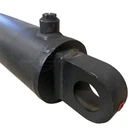



As a supplier of Dump Bed Trucks Hoist, I often get asked about how to check the alignment of the hoist cylinders on a dump bed truck. It's a crucial aspect that can significantly impact the performance and safety of the vehicle. In this blog, I'll share some practical steps and tips on how to do this effectively.
Why is Alignment Checking Important?
Before we dive into the checking process, let's understand why it's so important. Proper alignment of the hoist cylinders ensures that the dump bed operates smoothly and evenly. If the cylinders are misaligned, it can lead to uneven lifting, which may cause the load to shift unexpectedly. This not only puts extra stress on the hoist system but also increases the risk of accidents, such as the dump bed tipping over. Moreover, misaligned cylinders can cause premature wear and tear on the components, leading to costly repairs and downtime.
Tools You'll Need
To check the alignment of the hoist cylinders, you'll need a few basic tools:
- A straightedge: This can be a long, flat piece of metal or wood that you can use to check for straightness.
- A measuring tape: To measure distances accurately.
- A level: To ensure that the truck is parked on a flat surface and to check the horizontal alignment of the cylinders.
- A flashlight: To help you see into tight spaces and check for any signs of damage or misalignment.
Step-by-Step Alignment Checking Process
Step 1: Park the Truck on a Flat Surface
First things first, park the dump bed truck on a level surface. This is crucial because if the truck is not level, it can give you false readings when checking the alignment. Use a level to confirm that the truck is sitting flat. You can place the level on the frame of the truck or on the dump bed itself.
Step 2: Inspect the Cylinders Visually
Take a good look at the hoist cylinders. Look for any signs of damage, such as dents, scratches, or leaks. If you notice any of these issues, it's important to address them before proceeding with the alignment check. A damaged cylinder can affect the alignment and may need to be repaired or replaced.
Step 3: Check the Mounting Points
The mounting points of the cylinders are where they attach to the truck frame and the dump bed. Inspect these points to make sure they are secure and in good condition. Loose or damaged mounting points can cause the cylinders to shift out of alignment. Tighten any loose bolts or nuts and replace any damaged mounting brackets if necessary.
Step 4: Measure the Distance Between the Cylinders
Use a measuring tape to measure the distance between the two hoist cylinders at several points along their length. Measure the distance at the top, middle, and bottom of the cylinders. The measurements should be consistent within a small tolerance. If there is a significant difference in the measurements, it could indicate that the cylinders are misaligned.
Step 5: Use a Straightedge
Place a straightedge along the side of one of the cylinders. Make sure it is in contact with the cylinder from top to bottom. Check if the straightedge is parallel to the cylinder. If there are gaps between the straightedge and the cylinder, it means the cylinder is not straight. Repeat this process for the other cylinder.
Step 6: Check the Horizontal Alignment
Use a level to check the horizontal alignment of the cylinders. Place the level on top of each cylinder and make sure it reads level. If the level indicates that the cylinder is tilted, it needs to be adjusted. You may need to loosen the mounting bolts slightly and make small adjustments to the position of the cylinder until it is level.
Step 7: Check the Vertical Alignment
To check the vertical alignment, you can use a plumb line or a laser level. Hang a plumb line from the top of the cylinder and check if it is perfectly vertical. If the plumb line is off to one side, it means the cylinder is not vertically aligned. Again, make the necessary adjustments to the mounting bolts to correct the alignment.
Making Adjustments
If you find that the hoist cylinders are misaligned, you'll need to make some adjustments. Here's how you can do it:

- Loosen the mounting bolts: Use a wrench to loosen the bolts that hold the cylinders in place. Be careful not to loosen them too much, as you don't want the cylinders to fall out.
- Make small adjustments: Use a pry bar or a jack to gently move the cylinder into the correct position. Make sure to make small adjustments at a time and recheck the alignment after each adjustment.
- Tighten the mounting bolts: Once the cylinder is in the correct position, tighten the mounting bolts securely. Make sure to use a torque wrench to tighten the bolts to the manufacturer's specifications.
Regular Maintenance
Checking the alignment of the hoist cylinders is not a one-time thing. It's important to make it a part of your regular maintenance routine. I recommend checking the alignment at least once a month or more frequently if the truck is used in harsh conditions or for heavy-duty applications. Regular maintenance can help prevent problems before they occur and ensure the long-term performance of your dump bed truck.
Our Products
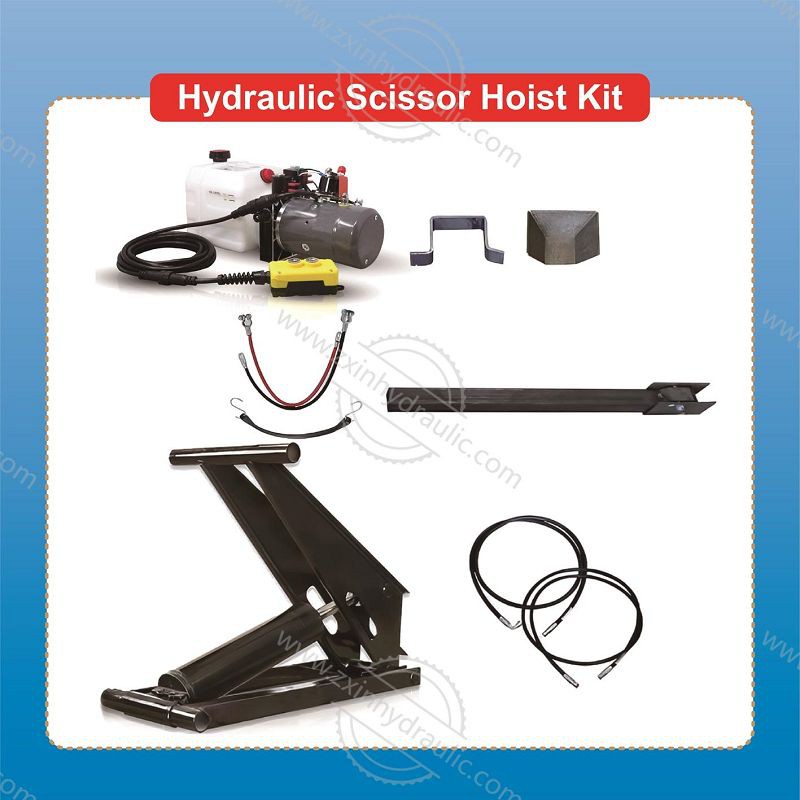
At our company, we offer a wide range of high-quality hoist products for dump bed trucks. If you're in the market for new hoist cylinders or other related components, check out our Tipper Trailer Kits, Dump Trailer Telescopic Kits, and Hydraulic Scissor Hoists. Our products are designed to provide reliable performance and long-lasting durability.
Contact Us for Purchasing
If you have any questions about our products or need help with the alignment of your hoist cylinders, don't hesitate to reach out. We're here to assist you and ensure that you get the best solution for your dump bed truck needs. Whether you're a small business owner or a large fleet operator, we can provide you with the right products and support.
References
- "Dump Truck Maintenance Guide" - An industry publication that provides detailed information on maintaining dump trucks, including hoist cylinder alignment.
- Manufacturer's manuals for the hoist cylinders and dump bed trucks, which often include specific instructions on alignment checking and adjustment.