

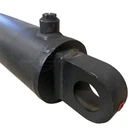

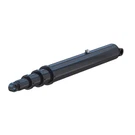


Hey there! As a supplier of welded cylinders, I've seen firsthand how important it is to keep these bad boys in tip - top shape. Welded cylinders are used in a ton of industries, from construction to manufacturing, and proper maintenance can save you a whole lot of headaches and money in the long run. So, let's dive into what it takes to maintain welded cylinders.


Regular Inspections
The first step in maintaining welded cylinders is regular inspections. You should be checking your cylinders on a routine basis, depending on how often they're used. For cylinders that are used daily in a high - stress environment, a weekly inspection might be necessary. For those used less frequently, a monthly or quarterly check could do the trick.
During these inspections, look for any signs of physical damage. This includes cracks, dents, or scratches on the cylinder body. Even a small scratch can lead to bigger problems down the road, like corrosion or leakage. Pay special attention to the welds. Welds are the weak points in the cylinder, and any signs of cracking or separation at the weld joints are a huge red flag.
Another thing to check is the seals. Seals are essential for keeping the hydraulic fluid inside the cylinder and preventing leaks. Over time, seals can wear out due to friction, heat, and chemical exposure. Look for signs of seal damage, such as leaks around the piston rod or the end caps. If you notice any leaks, it's important to replace the seals as soon as possible. You can check out our Single Acting Hydraulic Cylinder to get an idea of how these components work together and why proper seal maintenance is crucial.
Fluid Maintenance
Hydraulic fluid is the lifeblood of a welded cylinder. It transfers power, lubricates moving parts, and helps to dissipate heat. That's why it's so important to keep the fluid clean and at the right level.
First of all, you need to check the fluid level regularly. Low fluid levels can cause the cylinder to operate inefficiently and can even lead to damage. If the fluid level is low, add the appropriate hydraulic fluid as recommended by the manufacturer.
In addition to checking the level, you also need to monitor the quality of the fluid. Over time, hydraulic fluid can become contaminated with dirt, debris, and water. Contaminated fluid can cause wear and tear on the internal components of the cylinder, such as the piston and the valves. You should change the hydraulic fluid at regular intervals, as specified in the manufacturer's maintenance schedule. A good rule of thumb is to change the fluid every 1000 - 2000 hours of operation, but this can vary depending on the type of cylinder and the operating conditions.
Using a fluid filter can also help to keep the hydraulic fluid clean. Filters trap dirt and debris, preventing them from circulating through the system and causing damage. Make sure to replace the filters regularly to ensure they're working effectively.
Piston Rod Care
The piston rod is one of the most critical parts of a welded cylinder. It extends and retracts to perform the work, and it's exposed to a lot of stress and wear. To keep the piston rod in good condition, you need to keep it clean and lubricated.
Clean the piston rod regularly to remove any dirt, dust, or debris that might have accumulated on its surface. You can use a clean cloth and a mild cleaning solution to wipe down the rod. Avoid using abrasive materials that could scratch the rod, as scratches can lead to corrosion and seal damage.
Lubrication is also key for the piston rod. Proper lubrication reduces friction between the rod and the seals, which helps to extend the life of both the rod and the seals. Use a high - quality lubricant that's compatible with the hydraulic fluid and the seals in your cylinder.
Mounting and Alignment
Proper mounting and alignment of the welded cylinder are essential for its smooth operation and longevity. If the cylinder is not mounted correctly, it can put extra stress on the components, leading to premature wear and failure.
When mounting the cylinder, make sure it's securely fastened to the mounting surface. Use the appropriate bolts and hardware, and tighten them to the recommended torque specifications. Loose mounting can cause the cylinder to vibrate, which can damage the internal components and the seals.
Alignment is also crucial. The cylinder should be aligned properly with the load it's driving. Misalignment can cause uneven wear on the piston rod and the seals, and it can also reduce the efficiency of the cylinder. If you're unsure about the correct alignment, consult the manufacturer's installation instructions or seek the help of a professional.
Storage
If you need to store a welded cylinder for an extended period, there are a few things you need to do to ensure it stays in good condition. First, clean the cylinder thoroughly to remove any dirt, debris, or hydraulic fluid. Then, apply a protective coating to the exposed metal surfaces to prevent corrosion.
Store the cylinder in a dry, clean environment. Avoid storing it in areas where it might be exposed to moisture, extreme temperatures, or chemicals. If possible, store the cylinder in a vertical position to prevent the piston rod from sagging.
Specific Cylinder Series Maintenance
We also have the SERIES 800 CRUTCH CYLINDERS, which have their own unique maintenance requirements. These cylinders are designed for specific applications, and they might have different seal materials, fluid requirements, or operating conditions. Make sure to follow the manufacturer's maintenance guidelines for this particular series to ensure optimal performance.
Similarly, our Double Acting Hydraulic Cylinder has its own set of maintenance needs. Double - acting cylinders have more complex internal components compared to single - acting cylinders, so regular inspections and proper fluid maintenance are even more critical.
Conclusion
Maintaining welded cylinders is not rocket science, but it does require some attention to detail and regular upkeep. By following these maintenance tips, you can extend the life of your cylinders, improve their performance, and avoid costly breakdowns.
If you're in the market for high - quality welded cylinders or need more information on maintenance, don't hesitate to reach out. We're here to help you find the right cylinders for your application and ensure they perform at their best for years to come. Contact us to start a conversation about your procurement needs, and let's work together to keep your operations running smoothly.
References
- Manufacturer's manuals for welded cylinders
- Industry standards for hydraulic cylinder maintenance