

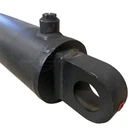

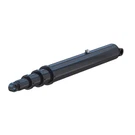


Hey there! As a supplier of dump cylinders, I've seen firsthand how crucial it is to pick the right one for your needs. In this blog, I'll share some tips on how to choose the perfect dump cylinder, so you can make an informed decision and avoid any headaches down the road.
Understanding Your Requirements
First things first, you need to figure out what you'll be using the dump cylinder for. Are you working with a small garbage truck or a large industrial vehicle? The size and weight of the load you'll be lifting are key factors. For instance, if you're dealing with heavy - duty tasks like lifting large amounts of construction debris, you'll need a more powerful dump cylinder. On the other hand, if it's for a smaller, lighter load, like in a residential garbage collection truck, a less powerful one might do the trick.
Think about the frequency of use as well. If your truck is in operation all day, every day, you'll want a cylinder that's built to last. High - quality materials and a robust design are a must in such cases. But if it's only used occasionally, you might have a bit more flexibility in your choice.
Capacity and Stroke
The capacity of a dump cylinder refers to how much weight it can lift. This is usually measured in pounds or kilograms. You've got to match the capacity of the cylinder with the weight of the load. It's always better to go for a cylinder with a slightly higher capacity than you think you'll need. This gives you a safety margin and helps prevent overloading, which can damage the cylinder and lead to costly repairs.
The stroke of the cylinder is the distance it can extend. You need to ensure that the stroke is long enough to lift the load to the required height. For example, if you're using the cylinder to dump materials into a high - sided container, you'll need a longer stroke. You can check the specifications of different cylinders to find one that meets your height requirements.
Mounting Options
There are different ways to mount a dump cylinder, and the right option depends on your vehicle's design. The most common types of mounts include flange mounts, trunnion mounts, and clevis mounts.
Flange mounts are great for providing a stable base. They're often used when the cylinder needs to be securely attached to a flat surface. Trunnion mounts allow for some movement and rotation, which can be useful in applications where the load might shift during lifting. Clevis mounts are simple and easy to install, and they're suitable for a wide range of vehicles.
Make sure to choose a mounting option that is compatible with your vehicle's structure. You don't want to end up with a cylinder that can't be properly installed.
Quality and Durability
When it comes to dump cylinders, quality really matters. You don't want to be replacing the cylinder every few months. Look for cylinders made from high - grade materials, like steel. Steel cylinders are strong and resistant to wear and tear.
Check the manufacturing process as well. A well - made cylinder will have smooth surfaces, precise machining, and proper heat treatment. These factors contribute to the cylinder's durability and performance. You can also look for cylinders that come with a warranty. A good warranty is a sign that the manufacturer stands behind their product.
Cost and Budget
Cost is always a consideration. But remember, the cheapest option isn't always the best. You might save some money upfront, but a low - quality cylinder could end up costing you more in the long run due to frequent breakdowns and repairs.
Set a budget, but also be willing to invest a bit more for a high - quality cylinder. Compare prices from different suppliers, and don't forget to factor in additional costs like shipping and installation. Sometimes, a slightly more expensive cylinder from a reliable supplier can be a better deal overall.
Compatibility with Other Components
A dump cylinder doesn't work in isolation. It needs to be compatible with other components in your hydraulic system, such as the pump, valves, and hoses. If the cylinder isn't compatible, it can cause problems like leaks, reduced performance, and even system failure.
Before you make a purchase, check the specifications of the cylinder and make sure they match the requirements of your hydraulic system. If you're not sure, you can consult with a hydraulic expert or the supplier. They can help you determine the right cylinder for your existing system.
Industry Standards and Certifications
It's important to choose a dump cylinder that meets industry standards. Standards ensure that the cylinder is safe, reliable, and performs as expected. Look for cylinders that are certified by recognized organizations. For example, cylinders that meet ISO (International Organization for Standardization) standards are generally of high quality.
Certifications give you peace of mind that the cylinder has been tested and meets certain quality benchmarks. You can ask the supplier about the certifications of the cylinders they offer.
Supplier Reputation
The reputation of the supplier is also a crucial factor. You want to work with a supplier who has a good track record of providing high - quality products and excellent customer service. You can check online reviews and testimonials from other customers. A supplier with a lot of positive feedback is more likely to be reliable.


A good supplier will also offer technical support. If you have any questions about the installation, operation, or maintenance of the cylinder, they should be able to help you out. They can also provide replacement parts if needed.
Some Popular Types of Cylinders
There are several types of cylinders that you might come across when shopping for a dump cylinder. One option is the Tailgate Lift Cylinder. These are specifically designed for lifting tailgates on garbage trucks. They're usually smaller in size but still need to be strong enough to handle the weight of the tailgate.
The Dump Cylinder is the main type used for lifting and dumping loads. It comes in different sizes and capacities to suit various applications.
Another type is the Packer Cylinder. These are used in garbage trucks to compress and pack the waste. They need to be able to withstand high pressures and repeated use.
Conclusion
Choosing the right dump cylinder is a big decision, but by considering factors like capacity, stroke, mounting options, quality, and cost, you can find the perfect one for your needs. Don't rush into a purchase. Take your time to research different options, compare prices, and consult with experts if necessary.
If you're still not sure which dump cylinder is right for you, feel free to reach out. As a supplier, I'm here to help you make the best choice. Whether you need more information about our products or have questions about installation and maintenance, just drop me a line. Let's work together to find the ideal dump cylinder for your vehicle and ensure smooth operations.
References
- General knowledge from the hydraulic cylinder industry
- Experience as a dump cylinder supplier