

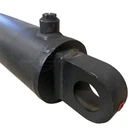



Hey there! As a supplier of Dump Cylinders, I often get asked about how to clean these essential components. A well - maintained dump cylinder not only lasts longer but also ensures the smooth operation of garbage trucks and other heavy - duty equipment. In this blog, I'll walk you through the process of cleaning a dump cylinder step by step.
Why Cleaning is Important
First off, let's talk about why cleaning a dump cylinder is so crucial. Over time, dirt, grime, and debris can build up on the surface of the cylinder. This can cause scratches on the cylinder rod, which may lead to leaks and reduced performance. Moreover, the presence of contaminants can accelerate wear and tear on the seals, resulting in costly repairs or even the need for a full replacement. By regularly cleaning your dump cylinder, you can prevent these issues and extend the lifespan of your equipment.
Tools and Materials You'll Need
Before you start cleaning, gather the necessary tools and materials. Here's a list of what you'll need:
- A soft - bristle brush: This is great for gently scrubbing away dirt without scratching the cylinder surface.
- Mild detergent: Avoid using harsh chemicals that can damage the cylinder or its seals.
- A clean, lint - free cloth: For drying and wiping down the cylinder after cleaning.
- Safety goggles and gloves: To protect yourself from any debris or cleaning solutions.
- A bucket of warm water: To mix the detergent and for rinsing.
Step - by - Step Cleaning Process
Step 1: Preparation
First, make sure the equipment is turned off and the hydraulic system is depressurized. This is crucial for your safety. Wear your safety goggles and gloves. If there's any loose debris on the cylinder, you can use compressed air or a soft brush to remove it gently.
Step 2: Mix the Detergent
Fill the bucket with warm water and add a small amount of mild detergent. Stir it well to create a soapy solution. You don't need a lot of detergent; just enough to create some suds.
Step 3: Scrub the Cylinder
Dip the soft - bristle brush into the soapy water and start scrubbing the cylinder. Pay special attention to areas where dirt and grime seem to be concentrated, such as around the seals and the rod. Be gentle but thorough. You don't want to damage the cylinder's surface or the seals. If there are stubborn stains, you can let the soapy water sit on the area for a few minutes before scrubbing again.
Step 4: Rinse the Cylinder
Once you've scrubbed the entire cylinder, use a clean cloth soaked in plain warm water to rinse off the soapy residue. Make sure you remove all the detergent, as any leftover detergent can attract more dirt over time.
Step 5: Dry the Cylinder
Use a clean, lint - free cloth to dry the cylinder completely. Make sure there's no moisture left on the surface, especially around the seals. Moisture can lead to rust and corrosion, which can damage the cylinder.


Step 6: Inspect the Cylinder
After cleaning and drying, take a close look at the cylinder. Check for any signs of damage, such as scratches, dents, or leaks. If you notice any issues, it's best to consult a professional for further inspection and repair.
Special Considerations for Different Types of Cylinders
As a supplier, I deal with various types of cylinders, including Dump Cylinder, Compactor Cylinders, and Packer Cylinder. While the basic cleaning process is similar, there are some special considerations for each type.
Dump Cylinders
Dump cylinders are often exposed to a lot of dirt and debris, especially in garbage truck applications. They may also be subject to more wear and tear due to the heavy loads they handle. When cleaning dump cylinders, make sure to check the mounting points and the connection to the hydraulic system. Any looseness or damage in these areas can affect the cylinder's performance.
Compactor Cylinders
Compactor cylinders are used to compress waste. They are usually in contact with wet and sticky materials. When cleaning compactor cylinders, you may need to be more thorough in removing any residue. You can use a slightly stronger detergent if necessary, but always test it on a small, inconspicuous area first to make sure it doesn't damage the cylinder.
Packer Cylinders
Packer cylinders are responsible for pushing waste into the compaction chamber. They can get dirty quickly, especially around the piston area. When cleaning packer cylinders, pay close attention to the seals and the piston rod. Make sure they are clean and free of any debris that could cause leaks or reduce the cylinder's efficiency.
Regular Maintenance and Cleaning Schedule
To keep your dump cylinders in top condition, it's important to establish a regular cleaning and maintenance schedule. How often you clean the cylinders depends on how frequently they are used and the environment they are in. For example, if the equipment is used in a very dirty or dusty environment, you may need to clean the cylinders more often, perhaps every few weeks. In a cleaner environment, monthly cleaning may be sufficient.
In addition to cleaning, regular inspections are also important. Check for signs of wear, leaks, or damage during each cleaning session. If you notice any issues, address them promptly to prevent further damage.
Conclusion
Cleaning a dump cylinder is a relatively simple process that can have a big impact on the performance and lifespan of your equipment. By following the steps outlined in this blog and taking special considerations for different types of cylinders, you can keep your dump cylinders running smoothly.
If you're in the market for high - quality Dump Cylinder, Compactor Cylinders, or Packer Cylinder, we're here to help. We offer a wide range of hydraulic cylinders that are built to last and perform under tough conditions. If you have any questions or would like to discuss your specific requirements, don't hesitate to reach out. We're always happy to assist you with your procurement needs.
References
- "Hydraulic Cylinder Maintenance Guide" - Industry standard handbook on hydraulic cylinder care.
- "Garbage Truck Equipment Manuals" - Manufacturer - provided guides for garbage truck components.