

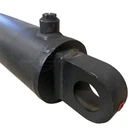



Hey there! As a piston rod supplier, I often get asked about the best ways to clean a piston rod. Cleaning a piston rod properly is crucial for its performance and longevity. In this blog post, I'll walk you through the steps to clean a piston rod effectively.
Why Cleaning a Piston Rod is Important
Before we dive into the cleaning process, let's talk about why it's so important to keep your piston rod clean. Over time, piston rods can accumulate dirt, debris, and contaminants. These can cause abrasion, corrosion, and other forms of damage, which can ultimately lead to a decrease in performance and a shorter lifespan.
A clean piston rod ensures smooth operation, reduces wear and tear, and helps maintain the overall efficiency of your hydraulic or pneumatic system. Whether you're using the piston rod in industrial machinery, automotive applications, or any other equipment, proper cleaning is a must.
Tools and Materials You'll Need
To clean a piston rod, you'll need the following tools and materials:
- A clean, lint-free cloth or microfiber towel
- A mild detergent or specialized piston rod cleaner
- A soft-bristled brush (like a toothbrush)
- A container for the cleaning solution
- A source of clean water
- A lubricant (optional, but recommended)
Step-by-Step Cleaning Process
Step 1: Prepare the Cleaning Solution
Start by filling a container with warm water. Add a small amount of mild detergent or a specialized piston rod cleaner to the water. Make sure to follow the instructions on the cleaner's label for the correct dilution ratio. Stir the solution gently to mix it well.
Step 2: Disconnect the Piston Rod
If possible, disconnect the piston rod from the equipment. This will make it easier to clean and ensure that you can reach all areas of the rod. Be careful when disconnecting the rod to avoid any damage to the surrounding components.
Step 3: Wipe the Rod
Use a clean, lint-free cloth or microfiber towel to wipe the piston rod. This will remove any loose dirt, dust, or debris from the surface. Be gentle and avoid applying too much pressure, as this could scratch the rod.
Step 4: Soak the Rod
Submerge the piston rod in the cleaning solution. Let it soak for a few minutes to loosen any stubborn dirt or grime. If there are particularly dirty areas, you can use a soft-bristled brush to gently scrub them. Be careful not to scratch the rod while brushing.
Step 5: Rinse the Rod
After soaking and scrubbing, remove the piston rod from the cleaning solution and rinse it thoroughly with clean water. Make sure to remove all traces of the cleaning solution from the rod. You can use a hose or a bucket of clean water for rinsing.
Step 6: Dry the Rod
Use a clean, dry cloth or towel to dry the piston rod completely. Make sure there is no moisture left on the rod, as this could lead to corrosion. You can also let the rod air dry for a few minutes if needed.
Step 7: Lubricate the Rod (Optional)
If recommended by the manufacturer, apply a thin layer of lubricant to the piston rod. This will help reduce friction and wear during operation. Make sure to use a lubricant that is compatible with the piston rod and the equipment it's used in.
Step 8: Reconnect the Piston Rod
Once the piston rod is clean, dry, and (if applicable) lubricated, reconnect it to the equipment. Make sure to follow the proper installation procedures and torque specifications.
Tips for Cleaning Different Types of Piston Rods
- Chrome-plated Piston Rods: Chrome-plated piston rods are common in many applications. When cleaning them, be extra careful not to scratch the chrome surface. Use a soft cloth and a mild cleaner to avoid damaging the plating.
- Stainless Steel Piston Rods: Stainless steel piston rods are more resistant to corrosion, but they still need to be cleaned regularly. You can use a mild detergent and a soft brush to clean them. Avoid using abrasive cleaners or tools that could scratch the surface.
- Carbon Steel Piston Rods: Carbon steel piston rods are prone to rust if not properly maintained. After cleaning, make sure to dry them thoroughly and apply a rust inhibitor or lubricant to protect them from corrosion.
Maintaining a Clean Piston Rod
Cleaning your piston rod is not a one-time task. To keep it in good condition, you should establish a regular maintenance schedule. Here are some tips for maintaining a clean piston rod:
- Inspect Regularly: Check the piston rod for any signs of damage, wear, or contamination on a regular basis. Catching problems early can prevent more serious issues down the road.
- Keep the Environment Clean: Try to keep the area around the piston rod clean and free of dirt and debris. This will reduce the amount of contaminants that can come into contact with the rod.
- Use Protective Covers: If possible, use protective covers or boots to shield the piston rod from dust, dirt, and other contaminants. This can help extend its lifespan.
Related Products for Piston Rod Systems
If you're in the market for other components related to piston rod systems, we also offer some great products. For example, we have Seamless Cold-drawn Tube which is perfect for many hydraulic applications. It provides high strength and excellent dimensional accuracy.


We also have Gear Pumps for Trucks. These pumps are designed to provide reliable performance in truck hydraulic systems. And if you're looking for a specific type of tube, our SRB Seamless Tube is a great option. It offers superior quality and durability.
Conclusion
Cleaning a piston rod is an important part of maintaining its performance and longevity. By following the steps outlined in this blog post, you can ensure that your piston rod stays clean and in good condition. Remember, a clean piston rod means smoother operation, less wear and tear, and a longer lifespan for your equipment.
If you have any questions about cleaning piston rods or are interested in purchasing piston rods or related products, feel free to reach out to us. We're here to help you with all your piston rod needs. Contact us today to start a discussion about your specific requirements and let's work together to find the best solutions for you.
References
- "Hydraulic and Pneumatic Systems Handbook"
- Manufacturer's manuals for piston rods and related equipment