

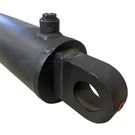



Hey there! I'm a supplier of welded cylinders, and I often get asked about the maintenance intervals for these nifty pieces of equipment. So, I thought I'd share some insights based on my experience in the industry.
First off, let's talk about why maintenance is so important. Welded cylinders are used in a wide range of applications, from heavy machinery to industrial equipment. They're designed to handle high pressures and heavy loads, but like any mechanical device, they need regular upkeep to keep them running smoothly. Neglecting maintenance can lead to all sorts of problems, like leaks, reduced performance, and even complete failure. And trust me, you don't want to be stuck with a broken cylinder in the middle of a job!
Now, the maintenance intervals for welded cylinders can vary depending on a few factors. One of the biggest factors is the type of application the cylinder is used in. For example, if the cylinder is used in a high - stress environment, like a construction site or a manufacturing plant, it'll probably need more frequent maintenance than one used in a less demanding setting.
Let's start with the basic maintenance tasks that should be done regularly. One of the most important things is to check the fluid levels. The hydraulic fluid in the cylinder is what makes it work, so it's crucial to make sure there's enough of it and that it's clean. A good rule of thumb is to check the fluid level every month. If the level is low, you'll need to add more fluid. And while you're at it, take a look at the fluid's color and consistency. If it looks dirty or has a strange odor, it might be time to change it.
Inspecting the seals is another vital task. The seals in a welded cylinder prevent fluid from leaking out and contaminants from getting in. Over time, these seals can wear out, especially if the cylinder is exposed to harsh conditions. I recommend inspecting the seals every three months. Look for any signs of wear, like cracks, tears, or leaks. If you notice any problems, it's best to replace the seals right away.
Checking the cylinder's alignment is also important. Misaligned cylinders can cause uneven wear on the components and reduce the cylinder's efficiency. You should check the alignment at least once every six months. If you find that the cylinder is misaligned, you'll need to adjust it to ensure proper operation.
Now, let's talk about some specific types of welded cylinders and their maintenance intervals.


Clevis Hydraulic Cylinders
Clevis hydraulic cylinders are commonly used in applications where there's a need for a flexible connection. You can learn more about them Clevis Hydraulic Cylinders. These cylinders are often used in agricultural equipment and some types of machinery. For clevis hydraulic cylinders, in addition to the monthly fluid checks and quarterly seal inspections, I'd recommend checking the clevis pins for wear every four months. The clevis pins are crucial for the proper functioning of the cylinder, and if they're worn, it can lead to instability and potential failure.
Snowplow Hydraulic Cylinders
Snowplow hydraulic cylinders have to work in some pretty tough conditions, like cold temperatures and exposure to salt and snow. These cylinders are used to raise and lower the snowplow blades. You can find more details about them Snowplow Hydraulic Cylinders. During the winter season, when they're in constant use, it's a good idea to check the fluid levels weekly. The seals should be inspected every two months because the harsh winter conditions can accelerate their wear. Also, after each heavy snowfall, it's a good practice to clean the cylinder to remove any salt or debris that could cause corrosion.
Roll - off Truck Cylinder
Roll - off truck cylinders are used to lift and lower roll - off containers on trucks. They're subjected to heavy loads and frequent use. You can get more information about them Roll - off Truck Cylinder. For these cylinders, the fluid should be checked every two weeks, especially during busy periods when the truck is in constant operation. The seals should be inspected every two months, and the cylinder's mounting bolts should be checked for tightness every three months. Loose mounting bolts can cause the cylinder to shift, which can lead to serious problems.
It's also important to keep in mind that these are just general guidelines. The actual maintenance intervals might need to be adjusted based on your specific situation. For example, if you're using your welded cylinders in a very dirty or dusty environment, you might need to increase the frequency of your inspections and maintenance tasks.
If you're unsure about the maintenance requirements for your welded cylinders, don't hesitate to reach out. As a supplier, I've got a lot of experience and can offer personalized advice based on your needs. Whether you're a small business owner or part of a large industrial operation, having properly maintained welded cylinders can save you a lot of time and money in the long run.
Regular maintenance of welded cylinders is essential for their reliable operation. By following these maintenance intervals and keeping an eye on the condition of your cylinders, you can ensure that they'll last for a long time and perform at their best.
If you're in the market for high - quality welded cylinders or need more information about maintenance, feel free to get in touch. I'm here to help you make the right choices for your business. Let's keep those cylinders running smoothly!
References:
- Industry best practices for hydraulic cylinder maintenance
- Manufacturer's guidelines for welded cylinders