

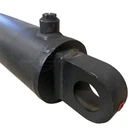



Hey there! As a supplier of Hydraulic Tilt Cylinders, I've seen firsthand how important it is to keep these components clean. A well - maintained hydraulic tilt cylinder not only performs better but also lasts longer. In this blog, I'll share some tips on how to clean hydraulic tilt cylinders effectively.
Why Cleaning Hydraulic Tilt Cylinders Matters
Before we dive into the cleaning process, let's talk about why it's so crucial to keep these cylinders clean. Hydraulic tilt cylinders are used in a variety of applications, like in Top Link Hydraulic Cylinders and Agricultural Hydraulic Cylinders. They operate in environments that can expose them to dirt, debris, and contaminants.
When dirt and debris get into the cylinder, they can cause wear and tear on the internal components. This can lead to reduced efficiency, leaks, and even complete failure of the cylinder. By keeping the cylinders clean, you can prevent these issues and ensure that your equipment runs smoothly.
Pre - cleaning Preparations
First things first, safety is always the top priority. Before you start cleaning the hydraulic tilt cylinder, make sure to turn off the equipment and relieve the pressure in the hydraulic system. This will prevent any accidental movement or release of pressurized fluid, which can be extremely dangerous.


You'll also need to gather the right tools and materials. You'll need a clean, lint - free cloth, a mild detergent, a soft - bristled brush, and a container for the cleaning solution. It's important to use a mild detergent that won't damage the cylinder's surface or seals. Avoid using abrasive cleaners or solvents, as these can cause corrosion and other problems.
External Cleaning
Let's start with the external cleaning of the hydraulic tilt cylinder. Begin by using the soft - bristled brush to gently remove any loose dirt, dust, or debris from the surface of the cylinder. Pay special attention to the areas around the seals and ports, as these are the places where contaminants are most likely to accumulate.
Once you've removed the loose debris, mix a small amount of the mild detergent with water in the container to create a cleaning solution. Dip the lint - free cloth into the solution and wring it out so that it's damp but not dripping. Then, use the cloth to wipe down the entire surface of the cylinder. Make sure to clean all the nooks and crannies, including the rod, the barrel, and the mounting brackets.
If there are any stubborn stains or grime, you can use the soft - bristled brush to gently scrub the area. Be careful not to apply too much pressure, as this could scratch the surface of the cylinder. After you've cleaned the entire surface, rinse the cylinder with clean water to remove any remaining detergent residue. Use a dry, clean cloth to dry the cylinder thoroughly.
Internal Cleaning
Internal cleaning of the hydraulic tilt cylinder is a bit more complex and should be done with extra care. If you suspect that there are contaminants inside the cylinder, it's best to consult the manufacturer's guidelines or a professional technician. However, in some cases, you can perform a basic internal cleaning.
First, you'll need to drain the hydraulic fluid from the cylinder. Make sure to collect the fluid in a proper container for disposal or recycling. Once the fluid is drained, you can use a small amount of the cleaning solution to flush the inside of the cylinder. You can do this by slowly injecting the solution into the cylinder through the ports and then allowing it to drain out.
After flushing the cylinder, you can use a clean, lint - free cloth to wipe the inside of the barrel and the rod as far as you can reach. Be careful not to leave any lint or fibers inside the cylinder, as these can cause problems. Once you're done cleaning, refill the cylinder with fresh hydraulic fluid that meets the manufacturer's specifications.
Seals and Gaskets
The seals and gaskets in the hydraulic tilt cylinder are critical components that prevent fluid leaks and keep the cylinder operating properly. During the cleaning process, it's important to inspect the seals and gaskets for any signs of damage or wear. Look for cracks, tears, or signs of swelling.
If you notice any damage to the seals or gaskets, it's important to replace them immediately. Using damaged seals can lead to fluid leaks, which can not only cause a mess but also reduce the efficiency of the cylinder. When replacing the seals, make sure to use the correct type and size of seals recommended by the manufacturer.
Post - cleaning Checks
After you've finished cleaning the hydraulic tilt cylinder, it's important to perform a few post - cleaning checks. First, visually inspect the cylinder for any signs of damage or wear that you may have missed during the cleaning process. Check the surface for scratches, dents, or any other irregularities.
Next, check the hydraulic fluid level and make sure it's at the correct level. If the fluid is low, add more fluid as needed. Then, start the equipment and test the cylinder to make sure it's operating properly. Look for any signs of leaks, unusual noises, or reduced performance. If you notice any problems, stop the equipment immediately and investigate the issue.
Regular Maintenance Schedule
To keep your hydraulic tilt cylinders in top condition, it's important to establish a regular maintenance schedule. Depending on the frequency of use and the operating environment, you should clean the cylinders at least once every few months. In addition to cleaning, you should also perform regular inspections of the cylinders to check for any signs of wear or damage.
By following a regular maintenance schedule, you can catch any potential problems early and prevent them from becoming major issues. This will save you time and money in the long run, as well as ensure the reliability and performance of your equipment.
Conclusion
Cleaning hydraulic tilt cylinders is an essential part of maintaining their performance and longevity. By following the steps outlined in this blog, you can keep your cylinders clean and in good working condition. Remember, safety is always the top priority, so make sure to follow all the necessary precautions when cleaning the cylinders.
If you're in the market for high - quality Hydraulic Tilt Cylinders, we're here to help. As a leading supplier, we offer a wide range of hydraulic tilt cylinders that are designed to meet the needs of various applications. Whether you need a cylinder for your agricultural equipment or any other industrial use, we have the right solution for you.
If you have any questions about our products or need more information on hydraulic tilt cylinder maintenance, don't hesitate to reach out. We're always happy to assist you with your procurement needs and provide you with the best possible service.
References
- Manufacturer's manuals for hydraulic tilt cylinders
- Industry best practices for hydraulic system maintenance