




As a seasoned supplier of dump truck cylinders, I understand the critical role these components play in the smooth operation of dump trucks. However, like any mechanical part, dump truck cylinders can fail during operation, posing significant risks to both the vehicle and the operator. In this blog post, I'll share the emergency procedures that should be followed if a dump truck cylinder fails during operation.


Understanding the Types of Dump Truck Cylinders
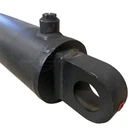
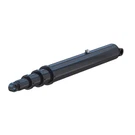
Before delving into the emergency procedures, it's essential to understand the different types of dump truck cylinders. These include Telescopic Cylinders for Dump Trailers, Front-end Cylinder with Outer Cover, and Underbody Telescopic Cylinder. Each type has its unique characteristics and functions, but all are crucial for the proper operation of the dump truck.
Recognizing the Signs of Cylinder Failure
The first step in dealing with a cylinder failure is to recognize the signs. Some common indicators include:
- Loss of Lifting Power: If the dump body fails to lift or struggles to reach its full height, it could be a sign of cylinder failure.
- Leaking Hydraulic Fluid: Visible leaks around the cylinder or hydraulic lines are a clear indication of a problem.
- Unusual Noises: Grinding, knocking, or hissing sounds during operation may suggest internal damage to the cylinder.
- Erratic Movement: If the dump body moves unevenly or jerks during lifting or lowering, it could be due to a cylinder issue.
Emergency Procedures
Once you've identified a cylinder failure, it's crucial to follow these emergency procedures to ensure the safety of the operator and the vehicle:
- Stop the Vehicle Immediately: As soon as you notice any signs of cylinder failure, bring the dump truck to a safe stop on a level surface. Engage the parking brake and turn off the engine to prevent further damage.
- Assess the Situation: Carefully inspect the cylinder and hydraulic system for any visible damage or leaks. If you're unsure about the extent of the problem, do not attempt to make any repairs yourself. Instead, contact a qualified mechanic or your cylinder supplier for assistance.
- Secure the Dump Body: If the dump body is partially raised, use appropriate blocking or support to prevent it from falling. This will help prevent injury to the operator and damage to the vehicle.
- Evacuate the Area: If there is a significant hydraulic fluid leak or other safety concerns, evacuate the area immediately and keep bystanders at a safe distance.
- Contact Your Supplier: Reach out to your dump truck cylinder supplier as soon as possible. Provide them with detailed information about the problem, including the symptoms, the type of cylinder, and the make and model of the dump truck. They will be able to offer guidance on the next steps and may be able to provide on-site support or replacement parts.
- Follow Manufacturer's Guidelines: Refer to the dump truck's owner's manual and the cylinder manufacturer's guidelines for specific instructions on handling a cylinder failure. These documents may provide additional safety precautions and troubleshooting tips.
- Document the Incident: Take photos or videos of the damaged cylinder and the surrounding area. This documentation will be useful for insurance purposes and for providing evidence to your supplier or mechanic.
Preventive Maintenance
While cylinder failures can happen, regular preventive maintenance can help reduce the risk. Here are some tips to keep your dump truck cylinders in good condition:
- Follow a Maintenance Schedule: Adhere to the manufacturer's recommended maintenance schedule for your dump truck and cylinders. This includes regular inspections, fluid changes, and lubrication.
- Use High-Quality Parts: Always use genuine or high-quality replacement parts when servicing your cylinders. Inferior parts may not meet the same standards of quality and performance, increasing the risk of failure.
- Train Your Operators: Ensure that your dump truck operators are properly trained on the safe operation and maintenance of the cylinders. They should be aware of the signs of cylinder failure and know how to respond in an emergency.
- Keep the Hydraulic System Clean: Contaminated hydraulic fluid can cause damage to the cylinders and other components. Regularly change the hydraulic fluid and filters to keep the system clean.
Conclusion
A dump truck cylinder failure can be a serious issue, but by following these emergency procedures and practicing preventive maintenance, you can minimize the risk and ensure the safety of your operators and vehicles. If you have any questions or need further assistance with your dump truck cylinders, don't hesitate to contact us. We're here to help you keep your dump trucks running smoothly and safely.
Contact Us for Your Dump Truck Cylinder Needs
If you're in the market for high-quality dump truck cylinders or need assistance with maintenance and repairs, we'd love to hear from you. Our team of experts is dedicated to providing the best products and services to meet your needs. Contact us today to discuss your requirements and get a quote.
References
- Dump Truck Owner's Manual
- Cylinder Manufacturer's Guidelines
- Hydraulic System Maintenance Manuals