




Gear pumps are critical components in trucks, responsible for delivering hydraulic fluid at a consistent rate to power various systems such as steering, braking, and lifting mechanisms. As a supplier of Gear Pumps for Trucks, I understand the importance of using the right materials to ensure the durability, efficiency, and reliability of these pumps. In this blog post, I will explore the materials commonly used in the manufacturing of gear pumps for trucks and their specific properties.
Cast Iron
Cast iron is one of the most traditional materials used in gear pump manufacturing. It is known for its excellent castability, which allows for the production of complex shapes with high precision. Cast iron has good wear resistance, which is essential for the gears and other moving parts in a pump that are subject to constant friction.
The high carbon content in cast iron gives it hardness, making it suitable for withstanding the high pressures and forces generated within the pump. Additionally, cast iron has good damping properties, which can help reduce noise and vibration during pump operation. However, cast iron is relatively heavy, which can be a drawback in applications where weight reduction is a priority.
Steel
Steel is another popular material for gear pumps due to its high strength and toughness. Different types of steel can be used, including carbon steel and alloy steel. Carbon steel is relatively inexpensive and offers good mechanical properties, making it a common choice for general - purpose gear pumps.
Alloy steel, on the other hand, contains additional elements such as chromium, nickel, and molybdenum, which enhance its strength, hardness, and corrosion resistance. For example, stainless steel, a type of alloy steel, is often used in gear pumps that are exposed to harsh environments or corrosive fluids. Steel gears can be heat - treated to further improve their hardness and wear resistance, ensuring a long service life.
Aluminum
Aluminum is a lightweight alternative to cast iron and steel. It has a low density, which makes it ideal for applications where weight reduction is crucial, such as in modern trucks designed for fuel efficiency. Aluminum also has good thermal conductivity, which helps dissipate heat generated during pump operation, preventing overheating and potential damage to the pump.
However, aluminum is not as hard as cast iron or steel, so it may not be suitable for high - pressure applications without proper surface treatments. Anodizing is a common surface treatment for aluminum parts in gear pumps, which increases its hardness and corrosion resistance.
Bronze
Bronze is an alloy of copper and tin, and it is often used for the bushings and bearings in gear pumps. Bronze has excellent self - lubricating properties, which reduce friction and wear between moving parts. This is particularly important in gear pumps, where smooth operation is essential for efficient fluid delivery.
Bronze also has good corrosion resistance, especially in contact with hydraulic fluids. The combination of its self - lubricating and corrosion - resistant properties makes bronze a reliable choice for components that are critical for the proper functioning of the gear pump.


SRB Seamless Tube
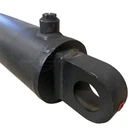
In the construction of gear pumps, SRB Seamless Tube can be used for the pump housing and other tubular components. Seamless tubes offer several advantages over welded tubes. They have a uniform wall thickness, which ensures consistent performance under pressure.
The seamless construction also eliminates the potential weak points that can occur at the weld joints in welded tubes. SRB seamless tubes are made with high - quality materials and advanced manufacturing processes, providing high strength and reliability. They can withstand the high pressures and vibrations associated with truck gear pump operation.
Piston Rod
Piston rods are important components in some types of gear pumps, especially those used in hydraulic systems with reciprocating motion. Piston Rod materials need to have high strength, good surface finish, and corrosion resistance.
Common materials for piston rods include chrome - plated steel. The chrome plating provides a hard, smooth surface that reduces friction and wear, while also protecting the underlying steel from corrosion. The steel core provides the necessary strength to withstand the forces exerted during pump operation.
Considerations in Material Selection
When selecting materials for gear pumps for trucks, several factors need to be considered. Firstly, the operating conditions of the pump are crucial. If the pump is used in a harsh environment with high temperatures, corrosive fluids, or high pressures, materials with high heat resistance, corrosion resistance, and strength should be chosen.
Cost is also an important factor. While high - performance materials may offer better properties, they can also be more expensive. Therefore, a balance needs to be struck between the performance requirements and the cost of the materials.
Manufacturability is another consideration. Some materials may be difficult to machine or form into the required shapes, which can increase production costs and time. The chosen materials should be easy to work with using standard manufacturing processes.
Conclusion
In conclusion, the materials used in gear pumps for trucks play a vital role in determining their performance, durability, and reliability. Cast iron, steel, aluminum, bronze, SRB Seamless Tube, and Piston Rod are all commonly used, each with its own unique properties and advantages.
As a supplier of Gear Pumps for Trucks, we carefully select the materials based on the specific requirements of each application. Whether you need a gear pump for a heavy - duty truck or a light - duty vehicle, we can provide high - quality products that meet your needs.
If you are interested in purchasing gear pumps for your trucks or have any questions about the materials and their properties, please feel free to contact us for further discussion and procurement negotiations. We are committed to providing you with the best solutions for your hydraulic system needs.
References
- Budynas, R. G., & Nisbett, J. K. (2011). Shigley's Mechanical Engineering Design. McGraw - Hill.
- Spotts, M. F., Shoup, T. E., & Taborek, J. (2004). Design of Machine Elements. Prentice Hall.
- Hydraulic Institute Standards. (2019). ANSI/HI 1.1 - 1.2 Rotodynamic Pumps - Design and Application.