

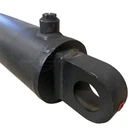



Hey there! As a supplier of agricultural cylinders, I've seen firsthand how crucial it is to get the piston rod installation right. A properly installed piston rod can make all the difference in the performance and longevity of your agricultural cylinders. In this blog, I'm gonna share some tips on how to ensure the correct installation of piston rods in agricultural cylinders.
Understanding the Basics of Piston Rods in Agricultural Cylinders
Before we dive into the installation process, let's quickly go over what piston rods are and why they're so important. Piston rods are a key component of hydraulic cylinders, which are used in a wide range of agricultural equipment, from tractors to combines. The piston rod is connected to the piston inside the cylinder and moves back and forth as hydraulic fluid is pumped in and out of the cylinder. This movement is what allows the cylinder to perform its function, whether it's lifting a heavy load or controlling the movement of a piece of equipment.
There are different types of agricultural cylinders, each with its own unique design and requirements. For example, Top Link Hydraulic Cylinders are commonly used for adjusting the height and angle of implements attached to tractors. Tie Rod Hydraulic Cylinders are known for their durability and are often used in heavy-duty applications. And Hydraulic Tilt Cylinders are used to tilt equipment such as trailers or buckets.
Pre - installation Checks
The first step in ensuring the correct installation of piston rods is to do a thorough pre - installation check. This includes inspecting the cylinder and the piston rod for any signs of damage or wear. Look for scratches, dents, or corrosion on the piston rod surface. Any of these issues can cause problems during installation and can also lead to premature failure of the cylinder.
Check the dimensions of the piston rod to make sure it matches the specifications of the cylinder. A piston rod that is too large or too small won't fit properly and can cause leaks or reduced performance. Also, make sure the seals and o - rings are in good condition. These components are essential for preventing hydraulic fluid leaks and maintaining the pressure inside the cylinder.
Cleaning and Lubrication
Once you've completed the pre - installation checks, it's time to clean the piston rod and the cylinder. Use a clean, lint - free cloth and a suitable cleaning solvent to remove any dirt, debris, or old lubricant from the surfaces. Make sure to clean all the grooves and ports where the seals will be installed.
After cleaning, apply a thin layer of lubricant to the piston rod. The lubricant helps to reduce friction during installation and also protects the rod from corrosion. Use a lubricant that is compatible with the hydraulic fluid and the seals in the cylinder.
Installation Process
Now comes the actual installation of the piston rod. First, carefully align the piston rod with the piston inside the cylinder. Make sure the rod is straight and centered to avoid any binding or misalignment. You may need to use a suitable tool, such as a piston rod installer or a slide hammer, to gently guide the rod into place.
As you insert the piston rod, be careful not to damage the seals. The seals are delicate and can easily be cut or torn if not handled properly. If you encounter any resistance during installation, stop and check for misalignment or debris. Don't force the rod in, as this can cause serious damage to the cylinder and the rod.
Once the piston rod is fully inserted, make sure it is securely fastened. Depending on the design of the cylinder, this may involve tightening bolts, nuts, or other fasteners. Use the correct torque specifications to ensure a proper and secure connection.
Post - installation Checks
After the piston rod is installed, it's important to perform a series of post - installation checks. First, check for any leaks around the seals and connections. Start the hydraulic system and apply some pressure to the cylinder. Look for any signs of fluid leakage, such as drips or puddles. If you find a leak, tighten the connections or replace the seals as necessary.
Next, test the movement of the piston rod. Make sure it moves smoothly back and forth without any binding or excessive play. If the rod doesn't move freely, there may be an issue with the alignment or the internal components of the cylinder.
Finally, check the overall performance of the agricultural equipment. Make sure the cylinder is operating as expected and that the equipment is functioning properly. If you notice any problems, such as reduced lifting capacity or erratic movement, there may be an issue with the piston rod installation or the cylinder itself.
Troubleshooting Common Installation Issues
Even with careful installation, you may encounter some common issues. One common problem is seal leakage. This can be caused by a damaged seal, improper installation of the seal, or contamination of the hydraulic fluid. If you have a seal leakage, replace the seal and make sure to clean the area thoroughly before installing the new seal.
Another issue is piston rod binding. This can be due to misalignment, a bent rod, or debris inside the cylinder. If the rod is binding, you'll need to disassemble the cylinder and check for the underlying cause. Straighten the rod if it's bent and clean the cylinder to remove any debris.
Importance of Correct Installation
Getting the piston rod installation right is not just about making the cylinder work properly in the short term. It also has a significant impact on the long - term performance and reliability of the agricultural equipment. A correctly installed piston rod reduces the risk of breakdowns, which can lead to costly downtime on the farm. It also helps to extend the lifespan of the cylinder, saving you money on replacement parts.
Conclusion
Well, there you have it - my guide on how to ensure the correct installation of piston rods in agricultural cylinders. As a supplier of agricultural cylinders, I know how important it is to get this right. By following these steps, you can ensure that your agricultural cylinders perform at their best and last for a long time.


If you're in the market for high - quality agricultural cylinders or have any questions about piston rod installation, feel free to reach out. We're here to help you with all your agricultural cylinder needs. Whether you need Top Link Hydraulic Cylinders, Tie Rod Hydraulic Cylinders, or Hydraulic Tilt Cylinders, we've got you covered. Let's start a conversation and see how we can work together to meet your requirements.
References
- Hydraulic Cylinder Handbook
- Agricultural Equipment Maintenance Guide