




Hey there! As a supplier of Piston Pumps for Trucks, I've been getting a lot of questions lately about pressure pulsation. So, I thought I'd take a few minutes to break it down and explain what it is, why it matters, and how it affects the performance of piston pumps in trucks.
First things first, what exactly is pressure pulsation? Well, in simple terms, it's the fluctuation in pressure that occurs within a hydraulic system when a piston pump is in operation. Every time the piston moves back and forth inside the pump, it creates a pulse of pressure. These pulses can cause the pressure in the system to rise and fall rapidly, leading to a phenomenon known as pressure pulsation.
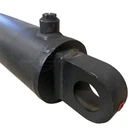
Now, you might be wondering why pressure pulsation is such a big deal. After all, a little bit of pressure fluctuation can't hurt, right? Wrong! Pressure pulsation can have a significant impact on the performance and longevity of your hydraulic system. For starters, it can cause excessive wear and tear on the components of the system, including the Piston Rod. The constant changes in pressure can cause the piston rod to vibrate, which can lead to premature failure and costly repairs.
In addition to causing mechanical damage, pressure pulsation can also affect the efficiency of your hydraulic system. When the pressure in the system is constantly fluctuating, it can be difficult for the pump to maintain a consistent flow rate. This can result in reduced performance and increased energy consumption, which can add up over time and cost you a lot of money.
Another problem with pressure pulsation is that it can cause noise and vibration in the hydraulic system. The rapid changes in pressure can create a high-pitched whining or buzzing sound, which can be annoying and distracting for the operator. In some cases, the vibration can even be felt throughout the truck, which can make for an uncomfortable and unsafe driving experience.
So, how can you reduce pressure pulsation in your hydraulic system? Well, there are a few different strategies you can use. One of the most effective ways is to use a pulsation dampener. A pulsation dampener is a device that is designed to absorb the pressure pulses created by the piston pump and smooth out the pressure in the system. By reducing the amplitude of the pressure pulsations, a pulsation dampener can help to reduce wear and tear on the components of the system, improve efficiency, and reduce noise and vibration.
Another strategy is to use high-quality components in your hydraulic system. For example, using a SRB Seamless Tube can help to reduce pressure pulsation by providing a smooth and consistent flow path for the hydraulic fluid. SRB seamless tubes are made from high-strength steel and are designed to withstand the high pressures and temperatures found in hydraulic systems. They are also resistant to corrosion and abrasion, which can help to extend the life of your hydraulic system.
Finally, it's important to make sure that your hydraulic system is properly maintained. Regularly checking the fluid level, changing the filters, and inspecting the components for wear and damage can help to prevent pressure pulsation and other problems from occurring. By taking good care of your hydraulic system, you can ensure that it operates at peak performance and lasts for many years to come.
As a supplier of Piston Pumps for Trucks, I understand the importance of providing high-quality products that are reliable and efficient. That's why we offer a wide range of piston pumps that are designed to meet the needs of different applications and industries. Our pumps are made from the highest quality materials and are built to last, so you can be confident that you're getting a product that will perform well and provide you with years of trouble-free service.


If you're in the market for a piston pump for your truck, or if you have any questions about pressure pulsation or hydraulic systems in general, please don't hesitate to contact us. Our team of experts is always available to answer your questions and help you find the right solution for your needs. We can also provide you with a free quote and help you with the installation and maintenance of your hydraulic system.
In conclusion, pressure pulsation is a common problem in hydraulic systems that can have a significant impact on the performance and longevity of your equipment. By understanding what pressure pulsation is, why it matters, and how to reduce it, you can take steps to protect your hydraulic system and ensure that it operates at peak performance. If you have any questions or need more information, please don't hesitate to contact us. We're here to help you get the most out of your hydraulic system and keep your truck running smoothly.
References
- Fluid Power Handbook, various industry publications covering hydraulic system design and maintenance.
- Manufacturer's guides for piston pumps and related components.