

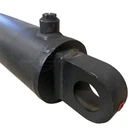

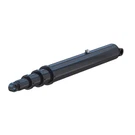


In the realm of industrial machinery and equipment, hydraulic pistons play a pivotal role. As a dedicated supplier of Hydraulic Piston, I've encountered numerous clients seeking ways to enhance the load - capacity of these essential components. In this blog, I'll explore several effective strategies to increase the load capacity of a hydraulic piston, drawing on my years of experience in the industry.
Understanding the Basics of Hydraulic Pistons
Before delving into the methods of increasing load capacity, it's crucial to understand how hydraulic pistons work. A hydraulic piston operates on the principle of Pascal's law, which states that when pressure is applied to an enclosed fluid, the pressure change occurs throughout the entire fluid. In a hydraulic piston system, a force is applied to a small - area piston, which creates pressure in the hydraulic fluid. This pressure is then transmitted to a larger - area piston, resulting in a greater output force.
The load - capacity of a hydraulic piston is determined by several factors, including the piston area, the hydraulic pressure, and the structural integrity of the piston and its associated components. By manipulating these factors, we can effectively enhance the load - capacity of the piston.
Optimizing Piston Design
One of the most fundamental ways to increase the load - capacity of a hydraulic piston is through proper design. The piston area is directly proportional to the output force. A larger piston area can generate more force for the same hydraulic pressure. When designing a piston, we can increase its diameter, which will significantly increase the cross - sectional area. However, this approach has its limitations. A larger piston may require more space and can increase the overall weight of the system.
Another aspect of piston design is the use of high - strength materials. Materials such as high - grade steel or aluminum alloys can withstand higher stresses without deforming. These materials have excellent mechanical properties, including high tensile strength and good fatigue resistance. For example, some advanced steel alloys can be heat - treated to achieve even higher strength levels, making them ideal for heavy - load applications.
Enhancing Hydraulic Pressure
Hydraulic pressure is another key factor in determining the load - capacity of a piston. By increasing the hydraulic pressure, we can generate more force on the piston. However, this must be done carefully, as excessive pressure can damage the hydraulic system components.
To increase hydraulic pressure, we can upgrade the hydraulic pump. A high - pressure pump can deliver a greater volume of fluid at a higher pressure. When selecting a pump, we need to consider its flow rate, pressure rating, and efficiency. A pump with a higher pressure rating can provide the necessary pressure to increase the load - capacity of the piston.
In addition to the pump, the hydraulic valves also play an important role in controlling the pressure. Pressure - relief valves can be adjusted to allow for higher operating pressures, but they must be set within the safe limits of the system. Proportional valves can also be used to precisely control the pressure, ensuring that the piston operates under optimal conditions.
Improving Sealing and Lubrication
Proper sealing and lubrication are essential for the efficient operation of a hydraulic piston. A well - sealed piston prevents fluid leakage, which can reduce the pressure and, consequently, the load - capacity. High - quality seals made from materials such as nitrile rubber or polyurethane can provide excellent sealing performance. These seals are designed to withstand high pressures and temperatures, ensuring a long service life.
Lubrication is also crucial for reducing friction between the piston and the cylinder wall. Friction can cause wear and tear on the piston, reducing its efficiency and load - capacity over time. Using high - quality hydraulic fluids with good lubricating properties can minimize friction and protect the piston surface. Some hydraulic fluids also have anti - wear additives that can further enhance the durability of the piston.
Strengthening Structural Components
The load - capacity of a hydraulic piston is not only determined by the piston itself but also by the strength of its associated components, such as the cylinder, rod, and end caps. These components must be able to withstand the forces generated by the piston without failing.
The cylinder is the housing for the piston, and its wall thickness and material quality are critical. A thicker cylinder wall can better resist the internal pressure and prevent deformation. Similar to the piston, using high - strength materials for the cylinder can significantly increase its load - capacity.
The piston rod is another important component. It transfers the force from the piston to the external load. A stronger rod with a larger diameter can withstand higher tensile and compressive forces. Rods made from high - strength alloys and properly heat - treated can provide the necessary strength for heavy - load applications.
The end caps of the cylinder also need to be strong enough to hold the piston in place and withstand the hydraulic pressure. They should be designed with proper mounting and sealing features to ensure a secure and leak - free connection.
Considering System Integration
When trying to increase the load - capacity of a hydraulic piston, it's essential to consider the entire hydraulic system. The system must be designed to work in harmony, with all components properly matched. For example, the size and capacity of the reservoir, the length and diameter of the hydraulic hoses, and the type of filters used can all affect the performance of the piston.
A well - designed hydraulic system should have sufficient fluid volume to ensure continuous operation. The reservoir should be sized appropriately to accommodate the fluid requirements of the system, especially when operating at high pressures and flow rates.
The hydraulic hoses must be able to handle the increased pressure and flow. Using hoses with a higher pressure rating and proper reinforcement can prevent leaks and ensure reliable operation. Filters are also important for maintaining the cleanliness of the hydraulic fluid, which is crucial for the longevity of the piston and other components.
Case Studies
Let's take a look at some real - world examples of how these strategies have been applied to increase the load - capacity of hydraulic pistons. In a construction equipment application, a client was using a hydraulic piston in a crane system. The original piston had a limited load - capacity, which restricted the lifting capacity of the crane.
By upgrading the piston design to a larger diameter and using a high - strength steel alloy, we were able to significantly increase the piston's cross - sectional area and its ability to withstand high stresses. We also replaced the existing hydraulic pump with a high - pressure pump and adjusted the pressure - relief valves to allow for higher operating pressures. These improvements resulted in a substantial increase in the load - capacity of the piston, enabling the crane to lift heavier loads.
In another case, a manufacturing plant was using hydraulic pistons in a press machine. The pistons were experiencing excessive wear due to poor lubrication and sealing. By switching to high - quality hydraulic fluids with anti - wear additives and replacing the seals with more durable ones, we were able to reduce friction and prevent fluid leakage. This not only increased the load - capacity of the pistons but also extended their service life, reducing maintenance costs.
Conclusion
Increasing the load - capacity of a hydraulic piston is a complex but achievable goal. By optimizing piston design, enhancing hydraulic pressure, improving sealing and lubrication, strengthening structural components, and considering system integration, we can effectively enhance the performance of hydraulic pistons.


As a Hydraulic Piston supplier, we have the expertise and resources to help you with all your hydraulic piston needs. Whether you are looking to upgrade an existing system or design a new one, we can provide customized solutions to meet your specific requirements. If you are interested in our products or have any questions about increasing the load - capacity of hydraulic pistons, please feel free to contact us for further discussion and potential procurement opportunities. We also offer related products such as Hydraulic Crutch and Hydraulic Crutch 65 - 70/80 - 250, which can complement your hydraulic systems.
References
- "Hydraulic Engineering Handbook", by Robert L. Daugherty and Joseph B. Franzini.
- "Practical Hydraulics", by John R. Farrar.
- "Materials Science and Engineering: An Introduction", by William D. Callister, Jr. and David G. Rethwisch.