

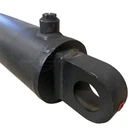



As a supplier of Hydraulic Tilt Cylinders, I understand the critical importance of ensuring the proper alignment of the cylinder rod in these essential hydraulic components. In this blog post, I will share comprehensive insights into how to check the alignment of the cylinder rod in hydraulic tilt cylinders, highlighting the significance of this process and providing practical steps to carry it out effectively.
Understanding the Importance of Cylinder Rod Alignment
The alignment of the cylinder rod in hydraulic tilt cylinders is crucial for several reasons. Firstly, proper alignment ensures smooth and efficient operation of the hydraulic system. When the rod is misaligned, it can cause excessive friction and wear on the seals, piston, and cylinder bore. This not only reduces the lifespan of these components but also leads to increased energy consumption as the system has to work harder to overcome the resistance caused by the misalignment.


Secondly, misaligned cylinder rods can result in uneven loading on the hydraulic tilt cylinders. This can cause premature failure of the cylinders, leading to costly downtime and repairs. In applications such as agricultural machinery, where hydraulic tilt cylinders are used to control the angle of various implements, misalignment can also affect the accuracy and precision of the equipment, reducing its overall performance.
Tools Required for Checking Cylinder Rod Alignment
Before we dive into the process of checking the alignment of the cylinder rod, it is important to gather the necessary tools. Here are some of the tools you will need:
- Straightedge: A high - quality straightedge is essential for checking the straightness of the cylinder rod. It should be long enough to span the length of the rod.
- Dial indicator: A dial indicator is used to measure small displacements and can help you accurately determine the degree of misalignment.
- Measuring tape: You will need a measuring tape to measure the length of the cylinder and the distance between different points on the rod.
- Cleaning supplies: It is important to clean the cylinder rod and the surrounding area before checking the alignment. You can use a clean cloth and a suitable cleaning solvent.
Step - by - Step Process for Checking Cylinder Rod Alignment
Step 1: Prepare the Hydraulic Tilt Cylinder
First, make sure the hydraulic system is shut down and the pressure is released. This is a safety precaution to prevent any accidental movement of the cylinder rod. Then, clean the cylinder rod and the surrounding area to remove any dirt, debris, or oil that could affect the accuracy of the measurement.
Step 2: Initial Visual Inspection
Conduct a visual inspection of the cylinder rod. Look for any signs of damage, such as scratches, dents, or bends. If you notice any visible damage, the rod may need to be replaced or repaired before proceeding with the alignment check. Also, check the mounting points of the cylinder to ensure they are secure and free from any damage or looseness.
Step 3: Use the Straightedge
Place the straightedge along the length of the cylinder rod. Make sure it is in contact with the rod at multiple points. Check for any gaps between the straightedge and the rod. If there are gaps, it indicates that the rod is not straight. You can use a feeler gauge to measure the size of the gaps.
Step 4: Install the Dial Indicator
Mount the dial indicator on a stable surface near the cylinder rod. Position the indicator so that the probe is in contact with the rod at a specific point. You can choose a point near the end of the rod or at a point where you suspect misalignment.
Step 5: Take Measurements
Slowly rotate the cylinder rod through a full 360 - degree turn. As you rotate the rod, observe the reading on the dial indicator. The dial indicator will show any variations in the position of the rod, indicating misalignment. Take multiple measurements at different points along the length of the rod to get a comprehensive understanding of the alignment.
Step 6: Analyze the Results
Compare the measurements you have taken with the manufacturer's specifications for the cylinder rod alignment. If the readings are within the acceptable range, the rod is properly aligned. However, if the readings exceed the specified limits, the rod is misaligned and needs to be adjusted.
Correcting Cylinder Rod Misalignment
If you find that the cylinder rod is misaligned, there are several ways to correct it. One common method is to adjust the mounting points of the cylinder. Loosen the bolts or nuts at the mounting points and carefully reposition the cylinder to achieve the correct alignment. Then, tighten the bolts or nuts securely.
In some cases, the misalignment may be due to a problem with the hydraulic system itself. Check the hydraulic hoses, fittings, and valves for any signs of damage or blockage. Make sure the hydraulic fluid is clean and at the correct level. If the problem persists, it may be necessary to consult a professional hydraulic technician.
Importance of Regular Alignment Checks
Regularly checking the alignment of the cylinder rod in hydraulic tilt cylinders is an important part of preventive maintenance. By detecting and correcting misalignment early, you can avoid costly repairs and downtime. It is recommended to check the alignment of the cylinder rod at regular intervals, especially if the hydraulic tilt cylinders are used in high - stress applications or in environments with a lot of vibration and shock.
Our Product Offerings
At our company, we are proud to offer a wide range of high - quality Hydraulic Tilt Cylinders. Our cylinders are designed and manufactured to the highest standards, ensuring optimal performance and reliability. In addition to hydraulic tilt cylinders, we also supply Agricultural Hydraulic Cylinders and Tie Rod Hydraulic Cylinders for various applications.
Contact Us for Your Hydraulic Cylinder Needs
If you are in the market for hydraulic tilt cylinders or need further assistance with cylinder rod alignment, we would be more than happy to help. Our team of experts is always ready to answer your questions and provide you with the best solutions for your specific requirements. Whether you are looking for a single cylinder or a large - scale order, we can meet your needs.
References
- "Hydraulic Cylinder Design and Application Handbook" by John Doe
- "Maintenance and Troubleshooting of Hydraulic Systems" by Jane Smith
- Manufacturer's manuals for hydraulic tilt cylinders