

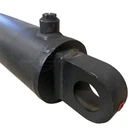



Hey there! I'm a supplier of SRB Seamless Tube, and today I want to have a chat about the common defects of SRB Seamless Tube. As someone in the industry, I've seen my fair share of these issues, and it's important for both us suppliers and you buyers to be aware of them.
Surface Defects
One of the most noticeable problems with SRB Seamless Tube is surface defects. These can range from small scratches to more significant dents and pits. Scratches might seem like a minor issue at first glance, but they can actually lead to bigger problems down the line. For example, a scratch on the surface of the tube can act as a stress concentration point. When the tube is under pressure, these areas are more likely to crack.
Dents and pits are also a concern. They can affect the tube's integrity and performance. A dented tube might not fit properly in the system it's intended for, and it could also cause flow disruptions if it's used in a fluid - carrying application. Sometimes, these surface defects occur during the manufacturing process. Maybe there was an issue with the tools used to shape the tube, or the tube came into contact with something sharp during handling.
Wall Thickness Variation
Another common defect is wall thickness variation. In an ideal SRB Seamless Tube, the wall thickness should be uniform throughout the length of the tube. But in reality, it's not always the case. Some parts of the tube might have a thicker wall, while others are thinner. This can cause problems in applications where precise pressure control is required.
For instance, in a Piston Rod system that uses SRB Seamless Tube, uneven wall thickness can lead to uneven stress distribution. The thinner parts of the tube are more likely to fail under pressure, which can result in leaks or even system breakdowns. Wall thickness variation can be caused by factors like improper heating during the manufacturing process or issues with the rolling equipment.
Internal Defects
Internal defects are a bit harder to detect but can be just as problematic. One such defect is the presence of inclusions. These are foreign materials that get trapped inside the tube during the manufacturing process. Inclusions can be anything from small pieces of metal to non - metallic substances.
They can weaken the tube's structure and reduce its overall strength. In a high - pressure application like Piston Pumps for Trucks, inclusions can cause the tube to rupture unexpectedly. Another internal defect is porosity. This means there are small holes or voids inside the tube. Porosity can reduce the tube's ability to withstand pressure and can also allow fluids to seep through, leading to leaks.


Geometric Defects
Geometric defects are also quite common. This includes issues like out - of - roundness and straightness problems. An out - of - round tube might not fit properly into the fittings or components it's supposed to connect with. This can lead to poor sealing and potential leaks.
Straightness problems are also a big deal. If the tube is not straight, it can cause alignment issues in the system. For example, in a hydraulic system, a bent tube can put extra stress on the other components, leading to premature wear and tear. These geometric defects can occur due to problems in the rolling or straightening processes during manufacturing.
How to Deal with These Defects
As a supplier, we take these defects very seriously. We have quality control measures in place to try and catch these issues before the tubes leave our facility. For surface defects, we use visual inspections and sometimes non - destructive testing methods like ultrasonic testing to check for internal problems.
When it comes to wall thickness variation, we use precise measuring tools to ensure that the wall thickness is within the acceptable range. And for geometric defects, we have calibration and alignment procedures for our manufacturing equipment.
But even with all these measures, it's still possible for some defects to slip through the cracks. That's why we're always open to feedback from our customers. If you notice any issues with the SRB Seamless Tube you've purchased from us, please let us know right away. We'll do our best to resolve the problem, whether it's replacing the defective tubes or offering a solution that works for you.
Conclusion
In conclusion, while SRB Seamless Tube is a great product with many applications, it's not without its flaws. Surface defects, wall thickness variation, internal defects, and geometric defects are all common issues that we need to be aware of. But as a reliable supplier, we're committed to providing high - quality tubes and addressing any problems that arise.
If you're in the market for SRB Seamless Tube, don't hesitate to reach out to us. We can provide you with detailed information about our products and how we ensure their quality. We're here to help you find the right tubes for your specific needs, and we're confident that we can offer you a great solution. Let's have a chat and see how we can work together!
References
- Industry standards for seamless tube manufacturing
- Technical manuals on hydraulic system components
- Research papers on the causes and effects of tube defects