

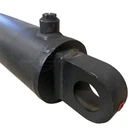

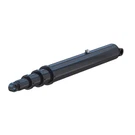


Hey there! I'm from a telescopic cylinders supplier, and today I'm gonna walk you through the process of installing a telescopic cylinder. Whether you're a DIY enthusiast or a professional mechanic, this guide will help you get the job done right.
Before You Start
First things first, safety is key. Make sure you've got the right safety gear on, like gloves and safety glasses. You don't want any debris or hydraulic fluid getting in your eyes or on your skin. Also, check the telescopic cylinder thoroughly for any signs of damage. If you notice any dents, cracks, or leaks, don't use it. Contact us, and we'll help you sort it out.
Next, gather all the tools you'll need. You'll typically need wrenches, a socket set, a torque wrench, and maybe a hydraulic fluid reservoir if you're dealing with a hydraulic telescopic cylinder. Having everything within reach will make the installation process a whole lot smoother.
Step 1: Prepare the Mounting Area
The first step is to prepare the area where you'll be mounting the telescopic cylinder. Clean the surface to get rid of any dirt, rust, or debris. A clean surface ensures a good fit and reduces the risk of leaks. If the mounting surface is uneven, you might need to use shims to level it out.


Measure the mounting holes on the cylinder and the mounting surface. Make sure they line up properly. If they don't, you might need to drill new holes or use adapters. But be careful when drilling, as you don't want to damage the surface or the cylinder.
Step 2: Mount the Cylinder
Once the mounting area is ready, it's time to mount the cylinder. Carefully lift the cylinder into place and align the mounting holes. Insert the bolts through the holes and hand-tighten them. Don't fully tighten them just yet, as you'll need to make some adjustments later.
If you're using a Trunnion Mount Telescopic Cylinders, make sure the trunnion is properly aligned and secured. The trunnion provides support and allows the cylinder to pivot, so it's important to get it right.
Step 3: Connect the Hydraulic Lines (if applicable)
If you're dealing with a hydraulic telescopic cylinder, you'll need to connect the hydraulic lines. Start by identifying the inlet and outlet ports on the cylinder. The inlet port is where the hydraulic fluid enters the cylinder, and the outlet port is where it exits.
Clean the ends of the hydraulic lines to remove any dirt or debris. Then, connect the lines to the ports using the appropriate fittings. Make sure the fittings are tightened securely, but don't over-tighten them, as this can damage the threads.
Once the lines are connected, check for any leaks. You can do this by pressurizing the system with a small amount of hydraulic fluid. If you notice any leaks, tighten the fittings or replace the seals as needed.
Step 4: Adjust the Cylinder
After mounting the cylinder and connecting the hydraulic lines, it's time to adjust the cylinder. This step is crucial to ensure that the cylinder operates smoothly and efficiently.
Use a torque wrench to tighten the mounting bolts to the recommended torque specification. This will prevent the cylinder from loosening during operation. Check the alignment of the cylinder again to make sure it's straight and centered.
If the cylinder is part of a system, such as a 6 Stage 1005mm Stroke Underbody Hoist Cylinder, you might need to adjust the stroke length. This can usually be done by adjusting the limit switches or the hydraulic valves.
Step 5: Fill the Hydraulic System (if applicable)
If you're using a hydraulic telescopic cylinder, you'll need to fill the hydraulic system with fluid. Make sure you use the correct type of hydraulic fluid recommended by the manufacturer.
Locate the hydraulic fluid reservoir and remove the cap. Slowly pour the fluid into the reservoir until it reaches the recommended level. Be careful not to overfill the reservoir, as this can cause problems.
Once the reservoir is filled, start the hydraulic pump and let it run for a few minutes to circulate the fluid through the system. Check for any leaks or abnormal noises. If everything looks good, you're ready to test the cylinder.
Step 6: Test the Cylinder
The final step is to test the cylinder to make sure it's working properly. Slowly extend and retract the cylinder a few times to check for smooth operation. Pay attention to any unusual noises, vibrations, or leaks.
If the cylinder doesn't extend or retract smoothly, there might be a problem with the hydraulic system or the cylinder itself. Check the hydraulic fluid level, the pressure, and the valves. If you're still having problems, don't hesitate to contact us for assistance.
Conclusion
Installing a telescopic cylinder might seem like a daunting task, but with the right tools and a little know-how, it can be done. By following these steps, you can ensure a successful installation and get your telescopic cylinder up and running in no time.
If you're in the market for a telescopic cylinder, we've got a wide range of products to choose from, including the FE 169-5-5405 Telescopic Hydraulic Cylinders. Our cylinders are made from high-quality materials and are designed to meet the toughest requirements.
If you have any questions or need help with your installation, feel free to reach out to us. We're here to help you make the right choice and ensure that your project is a success. Let's get in touch and start a conversation about your telescopic cylinder needs!
References
- Manufacturer's installation manuals for telescopic cylinders
- Hydraulic system design and installation guides