

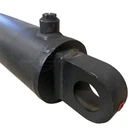



Hey there! As a supplier of telescopic cylinders, I often get asked about the installation of end caps. It might seem like a tricky task, but with the right steps and a bit of know - how, you can do it like a pro. In this blog, I'll walk you through the process of installing the end caps of a telescopic cylinder.
First off, let's talk about why end caps are so important. End caps serve multiple functions. They seal the cylinder, preventing hydraulic fluid from leaking out. This is crucial because any fluid leakage can lead to a loss of pressure and a decrease in the cylinder's performance. Also, they protect the internal components of the cylinder from dirt, dust, and other contaminants that could cause damage over time.


Pre - installation Checks
Before you start the installation process, you need to do a few checks. First, examine the telescopic cylinder itself. Look for any signs of damage, like dents, scratches, or cracks. If you find any, it's a good idea to consider getting a replacement. We offer Replacement Telescopic Cylinders that are of high quality and can easily fit your needs.
Next, check the end caps. Make sure they are the right size and type for your cylinder. There are different types of end caps available, depending on the application and the design of the cylinder. For example, Inverted Telescopic Cylinders might require a specific kind of end cap. Also, inspect the end caps for any defects. Look for things like uneven surfaces, burrs, or any signs of wear and tear.
Tools You'll Need
To install the end caps, you'll need a few basic tools. These include a set of wrenches, a torque wrench, a seal installer, and a clean cloth. The wrenches will be used to loosen and tighten the bolts or nuts that hold the end caps in place. The torque wrench is important because it allows you to apply the right amount of force when tightening the bolts, ensuring a proper seal without over - tightening. The seal installer helps you to insert the seals correctly, and the clean cloth is used to wipe down the surfaces and keep them free of debris.
Step - by - Step Installation Process
Step 1: Prepare the Cylinder
Start by cleaning the cylinder. Use the clean cloth to wipe away any dirt, oil, or debris from the surface where the end cap will be installed. This is important because a clean surface will ensure a better seal. Also, make sure the cylinder is in a stable position. You can use a workbench or a stand to hold the cylinder securely.
Step 2: Remove the Old End Caps (if applicable)
If you're replacing old end caps, you'll need to remove them first. Use the wrenches to loosen the bolts or nuts that are holding the end caps in place. Be careful not to damage the bolts or the threads. Once the bolts are loose, gently tap the end cap with a rubber mallet to break the seal. Then, carefully remove the end cap from the cylinder.
Step 3: Install the Seals
Before installing the new end cap, you need to install the seals. Apply a small amount of hydraulic fluid to the seals to lubricate them. This will make it easier to insert them into the end cap. Use the seal installer to carefully place the seals into the grooves in the end cap. Make sure the seals are seated properly and there are no wrinkles or gaps.
Step 4: Place the End Cap on the Cylinder
Once the seals are in place, carefully place the end cap on the cylinder. Align the holes in the end cap with the holes in the cylinder. You may need to wiggle the end cap a bit to get it properly aligned. Make sure the end cap is sitting flush against the cylinder surface.
Step 5: Insert the Bolts or Nuts
Insert the bolts or nuts into the holes and hand - tighten them. Don't fully tighten them yet. This allows you to make any final adjustments to the alignment of the end cap.
Step 6: Tighten the Bolts or Nuts
Use the torque wrench to tighten the bolts or nuts to the specified torque value. This value can usually be found in the cylinder's manual. Tightening the bolts to the correct torque is crucial for a proper seal. Over - tightening can damage the end cap or the cylinder, while under - tightening can lead to leaks.
Step 7: Check the Installation
After tightening the bolts, check the installation. Make sure the end cap is firmly attached and there are no gaps or misalignments. Also, check for any signs of leaks around the end cap. If you notice any leaks, you may need to re - tighten the bolts or check the seals.
Tips and Tricks
- When cleaning the cylinder and the end caps, use a mild cleaning solution. Avoid using harsh chemicals that could damage the surfaces.
- If you're having trouble aligning the end cap, you can use a guide pin or a small rod to help you.
- Always follow the manufacturer's instructions when it comes to torque values. Different cylinders may require different torque settings.
Different Types of Telescopic Cylinders and End Cap Installation
As I mentioned earlier, different types of telescopic cylinders may require different installation procedures. For example, Pin Mount Telescopic Cylinders have a unique mounting system. When installing the end caps on these cylinders, you need to pay special attention to the alignment of the pins. Make sure the pins are properly seated and that the end cap is secured tightly around them.
Conclusion
Installing the end caps of a telescopic cylinder is not as difficult as it might seem. By following these steps and doing the necessary pre - installation checks, you can ensure a proper and leak - free installation. If you have any questions or need further assistance, don't hesitate to reach out. We're here to help you with all your telescopic cylinder needs. Whether you're looking for replacement parts or need advice on installation, we've got you covered. If you're interested in purchasing telescopic cylinders or related parts, feel free to contact us for a detailed discussion and to get the best solutions for your specific requirements.
References
- Hydraulic Cylinder Installation and Maintenance Manuals
- Industry - standard guides on telescopic cylinder repair and installation