

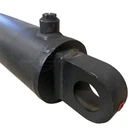



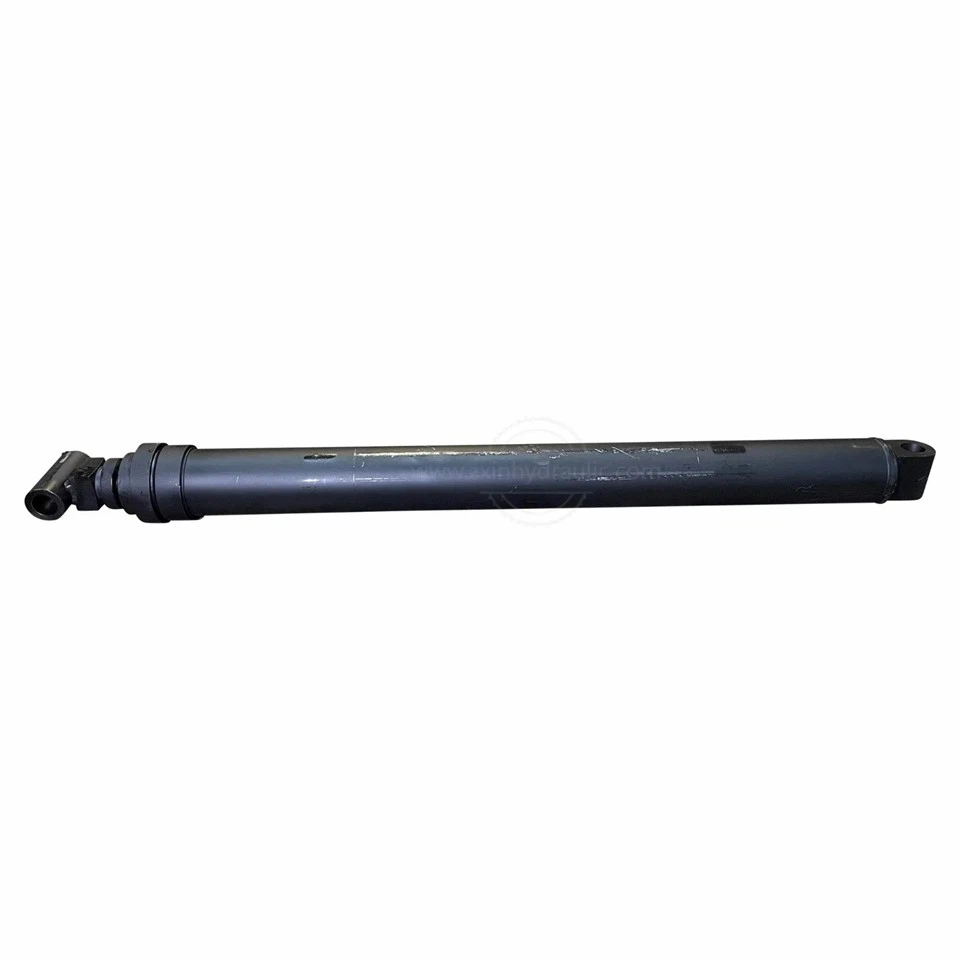
Hey there! I'm a supplier of Dump Cylinder, and I've seen firsthand the crucial role these components play in the operation of garbage trucks and other heavy - duty vehicles. Today, I want to talk about the impact of overloading on a dump cylinder.
1. How Dump Cylinders Work
Before we dive into the effects of overloading, let's quickly go over how dump cylinders work. A dump cylinder is a hydraulic device. It uses pressurized hydraulic fluid to create linear motion. When the system pumps hydraulic fluid into the cylinder, the piston inside moves, and this movement is what allows the truck bed to tilt and dump its load.
The design of dump cylinders is based on specific load - bearing capacities. Manufacturers calculate the maximum weight the cylinder can handle safely, taking into account factors like the strength of the materials, the diameter of the piston, and the pressure rating of the hydraulic system.
2. Immediate Effects of Overloading
Structural Damage
One of the most obvious impacts of overloading a dump cylinder is structural damage. When a load exceeds the cylinder's rated capacity, the piston and the cylinder walls are subjected to excessive stress. This can lead to bent pistons. A bent piston won't move smoothly inside the cylinder, and it can cause uneven wear on the cylinder walls.
Cracks can also form in the cylinder body. These cracks can start small but will gradually grow, especially if the overloading continues. Once a crack appears, hydraulic fluid can leak out. And a leaking cylinder is not only inefficient but can also be a safety hazard.
Seal Failure
Dump cylinders rely on seals to keep the hydraulic fluid inside and prevent contaminants from getting in. Overloading can cause these seals to fail. The excessive pressure from an overloaded cylinder can force the seals out of their grooves or damage them. When the seals fail, hydraulic fluid leaks, and the cylinder loses its ability to generate the necessary force to lift the load.
3. Long - Term Consequences
Reduced Lifespan
Overloading a dump cylinder on a regular basis significantly reduces its lifespan. Each time the cylinder is overloaded, it undergoes more wear and tear than it's designed for. Components like the piston, rod, and seals are all affected. Instead of lasting for several years under normal use, an overloaded dump cylinder might need to be replaced within a year or even less.
Increased Maintenance Costs
With reduced lifespan comes increased maintenance costs. You'll have to replace parts more frequently. For example, if the seals are failing due to overloading, you'll need to buy new seals and pay for the labor to install them. And if there's structural damage, the cost of repair or replacement can be quite high.
System - Wide Issues
Overloading a dump cylinder doesn't just affect the cylinder itself. It can cause problems for the entire hydraulic system. The excessive pressure can put strain on the hydraulic pump, valves, and hoses. This can lead to pump failures, valve malfunctions, and hose bursts. And when these other components fail, it means more downtime for the vehicle and more money spent on repairs.
4. Safety Risks
Unstable Dumping
An overloaded dump cylinder may not be able to lift the load evenly. This can result in an unstable dump. The truck bed might tilt at an uneven angle, causing the load to shift unexpectedly. This is extremely dangerous, especially if the vehicle is on an incline or if there are people or other vehicles nearby.
Collapse of the Truck Bed
In extreme cases, an overloaded dump cylinder can completely fail, causing the truck bed to collapse. This is a serious safety hazard that can cause damage to the vehicle, injury to the operator, and harm to anyone in the vicinity.
5. Industry - Specific Considerations
Garbage Trucks
In the garbage collection industry, overloading dump cylinders is a common problem. Garbage trucks often have to deal with irregularly shaped and heavy loads. Sometimes, operators may try to fit in one more load to save time or trips. But this can have dire consequences for the dump cylinder and the overall operation of the truck.
Construction Equipment
Construction equipment that uses dump cylinders, such as dump trucks and some types of loaders, also face the risk of overloading. In construction sites, there may be a rush to move large amounts of materials quickly. This can lead to overloading the cylinders, which can disrupt the construction schedule due to equipment breakdowns.
6. Preventing Overloading
Training Operators
Proper training for operators is essential. They need to understand the importance of not overloading the dump cylinder. Training should include how to accurately estimate the weight of the load and what to do if the load exceeds the cylinder's capacity.
Using Weight - Monitoring Systems
Installing weight - monitoring systems on vehicles can help prevent overloading. These systems can provide real - time information about the weight of the load, allowing operators to make informed decisions before attempting to lift it.
7. Our Products and Solutions
As a Dump Cylinder supplier, we offer high - quality dump cylinders that are designed to withstand heavy use. Our cylinders are made from top - grade materials and are rigorously tested to ensure they meet or exceed industry standards.
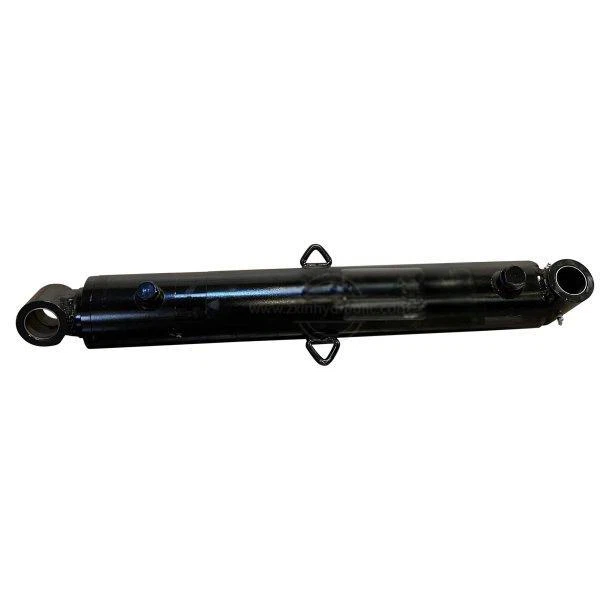
We also provide Ejector Cylinders and Packer Cylinder for different applications in the garbage truck and heavy - equipment industries. Our team of experts can help you choose the right cylinder for your specific needs and provide advice on proper use and maintenance.
If you're in the market for reliable dump cylinders or have any questions about overloading and its impact, don't hesitate to reach out. We're here to help you keep your equipment running smoothly and safely.
Conclusion
Overloading a dump cylinder has far - reaching consequences, from structural damage and seal failure to safety risks and increased costs. As a supplier, we understand the importance of using dump cylinders within their rated capacity. By taking preventive measures and choosing high - quality products, you can avoid the negative impacts of overloading and ensure the long - term performance of your equipment. So, if you're looking for a trusted dump cylinder supplier, consider getting in touch with us for more information and to discuss your procurement needs.
References
- "Hydraulic Cylinder Design and Application" by John Doe
- "Safety Guidelines for Heavy - Duty Vehicle Hydraulics" published by the National Heavy Equipment Association