




Installing the rod gland of a telescopic cylinder is a critical process that requires precision and knowledge. As a seasoned supplier of telescopic cylinders, I've witnessed firsthand the importance of a proper rod gland installation. In this blog, I'll guide you through the step - by - step process of installing the rod gland of a telescopic cylinder.
Understanding the Telescopic Cylinder and Rod Gland
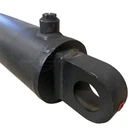
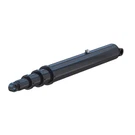
Before diving into the installation process, it's essential to understand what a telescopic cylinder is and the role of the rod gland. A telescopic cylinder, also known as a multistage cylinder, is a type of hydraulic cylinder that consists of a series of nested tubes or stages. These cylinders are designed to provide a long stroke in a compact retracted length, making them ideal for applications where space is limited. You can learn more about Multistage Cylinders.
The rod gland is a crucial component of the telescopic cylinder. It serves multiple purposes, including sealing the hydraulic fluid inside the cylinder, preventing contaminants from entering the system, and guiding the piston rod as it moves in and out of the cylinder. A properly installed rod gland ensures the efficient and reliable operation of the telescopic cylinder.
Tools and Materials Required
To install the rod gland of a telescopic cylinder, you'll need the following tools and materials:
- Wrenches and Socket Set: To remove and install the necessary bolts and nuts.
- Seal Installation Tool: This helps in carefully installing the seals without damaging them.
- Cleaning Solvent: To clean the cylinder bore and the rod gland components.
- Lubricant: A suitable hydraulic fluid or a specialized seal lubricant to ease the installation process and protect the seals.
- Safety Equipment: Gloves and safety glasses to protect yourself during the installation.
Pre - installation Checks
Before starting the installation, it's vital to perform a series of pre - installation checks:
- Inspect the Cylinder: Examine the telescopic cylinder for any signs of damage, such as cracks, scratches, or excessive wear. Pay close attention to the cylinder bore and the piston rod. If any damage is detected, it should be repaired or replaced before proceeding with the rod gland installation.
- Check the Rod Gland: Inspect the rod gland itself. Ensure that all the seals are in good condition, without any cuts, tears, or signs of aging. Also, check the gland body for any damage or deformation.
- Clean the Components: Thoroughly clean the cylinder bore, the piston rod, and the rod gland components using a cleaning solvent. Remove any dirt, debris, or old seal material. This step is crucial as any contaminants left behind can cause premature seal failure.
Step - by - Step Installation Process
Step 1: Disassembly (if necessary)
If you're replacing an existing rod gland, you'll first need to disassemble the relevant parts of the telescopic cylinder. Use the appropriate wrenches and socket set to remove the bolts or nuts that hold the rod gland in place. Carefully remove the rod gland from the cylinder, taking note of the orientation and position of any seals or other components.
Step 2: Lubricate the Seals
Apply a thin layer of lubricant to all the seals on the rod gland. This will not only make the installation process easier but also help protect the seals from damage during installation. Make sure to use a lubricant that is compatible with the hydraulic fluid and the seal material.
Step 3: Install the Seals in the Rod Gland
Using a seal installation tool, carefully install the seals into the rod gland. Start with the primary seals, followed by any secondary seals or backup rings. Ensure that the seals are properly seated and aligned in their respective grooves. Take your time during this step to avoid any misalignment or damage to the seals.
Step 4: Install the Rod Gland into the Cylinder
Gently insert the rod gland into the cylinder bore. Make sure that the gland is properly aligned with the cylinder and that the piston rod passes through the gland smoothly. As you insert the rod gland, be careful not to damage the seals or the cylinder bore. You may need to use a gentle tapping motion with a soft - faced hammer to seat the rod gland fully.
Step 5: Secure the Rod Gland
Once the rod gland is in place, use the wrenches and socket set to tighten the bolts or nuts that hold the gland in position. Make sure to tighten the fasteners evenly to avoid any uneven stress on the rod gland. Refer to the manufacturer's specifications for the correct torque values.
Step 6: Reassemble the Cylinder
After the rod gland is securely installed, reassemble any other components that were removed during the disassembly process. Double - check all the connections and ensure that everything is properly tightened.
Post - installation Checks
After the rod gland is installed, perform the following post - installation checks:
- Check for Leaks: Fill the telescopic cylinder with hydraulic fluid and pressurize the system. Check for any signs of hydraulic fluid leaks around the rod gland. If a leak is detected, immediately depressurize the system and re - check the installation.
- Test the Cylinder Operation: Operate the telescopic cylinder through its full stroke several times. Observe the movement of the piston rod and ensure that it moves smoothly without any binding or abnormal noise.
Different Types of Telescopic Cylinders and Rod Gland Installation
There are different types of telescopic cylinders, such as Trunnion Mount Telescopic Cylinders and Pin Mount Telescopic Cylinders. While the basic rod gland installation process is similar for all types, there may be some differences in the disassembly and reassembly steps due to the mounting configurations.
For trunnion mount telescopic cylinders, the installation may involve additional steps related to the trunnion mounting. You'll need to ensure that the trunnion is properly aligned and secured during the installation process. Similarly, pin mount telescopic cylinders require special attention to the pin connections.
Importance of Professional Installation
While the above steps provide a general guide for installing the rod gland of a telescopic cylinder, it's important to note that professional installation is often recommended. Professional technicians have the experience and expertise to handle any potential issues that may arise during the installation. They are also familiar with the specific requirements of different types of telescopic cylinders and can ensure a high - quality installation.
Conclusion
Installing the rod gland of a telescopic cylinder is a complex but essential process. By following the steps outlined in this blog, you can ensure a proper installation and the reliable operation of your telescopic cylinder. At our company, we are committed to providing high - quality telescopic cylinders and excellent technical support. If you're in the market for telescopic cylinders or need assistance with rod gland installation, we invite you to contact us for a detailed discussion. Our team of experts is ready to help you find the best solutions for your specific needs.


References
- "Hydraulic Cylinder Design and Application" by Fluid Power Journal
- "Seal Installation Guide" by Seal Manufacturers Association