




As a supplier of Tailgate Lift Cylinders, I often encounter inquiries from customers regarding the maximum temperature these cylinders can withstand. Understanding this parameter is crucial as it directly impacts the performance, durability, and safety of the cylinders in various working environments. In this blog post, I will delve into the factors that determine the maximum temperature tolerance of tailgate lift cylinders, and why it matters in real - world applications.
The Basics of Tailgate Lift Cylinders
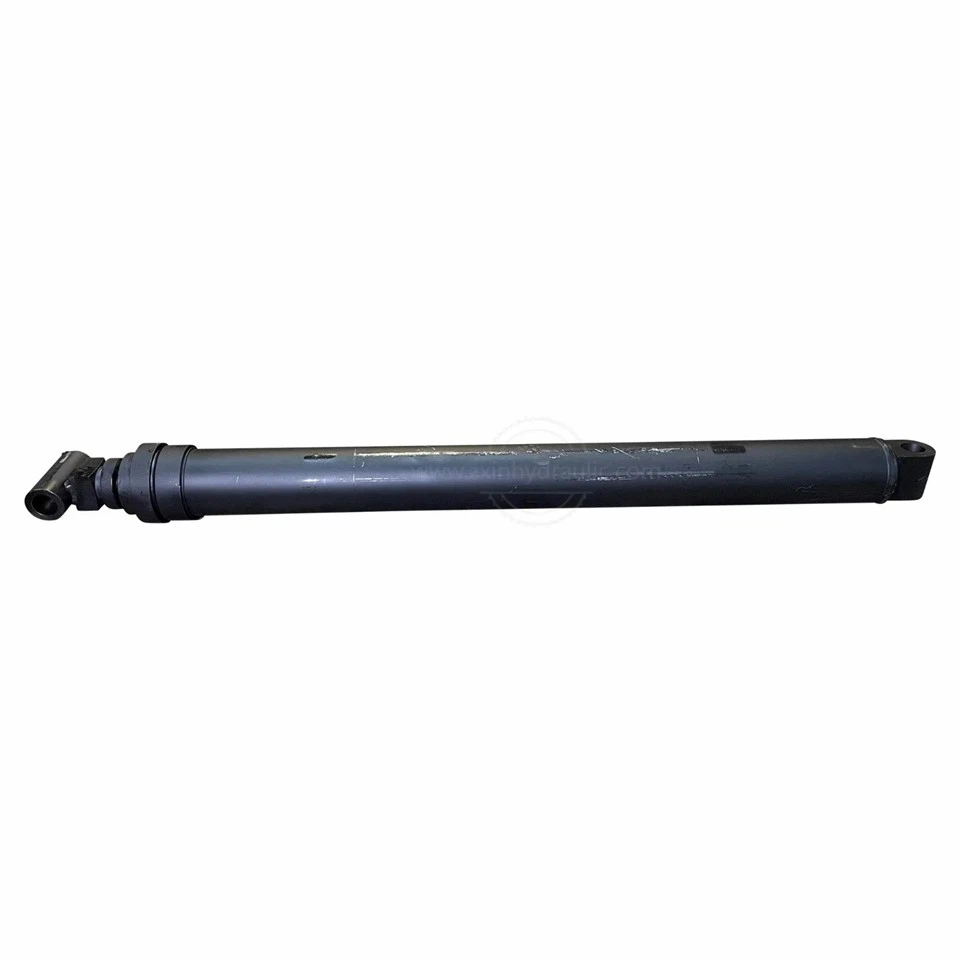
Tailgate lift cylinders are essential components in many vehicles, especially in trucks used for waste management, construction, and transportation. These cylinders are responsible for lifting and lowering the tailgate, which is a vital operation for loading and unloading goods. They operate based on hydraulic principles, where pressurized fluid is used to generate force and movement.
The main parts of a tailgate lift cylinder include the cylinder barrel, piston, rod, seals, and hydraulic fluid. Each of these components has its own temperature limits, and the overall maximum temperature the cylinder can withstand is determined by the most temperature - sensitive part.
Factors Affecting the Maximum Temperature Tolerance
1. Hydraulic Fluid
The hydraulic fluid is the lifeblood of the tailgate lift cylinder. It transfers power and lubricates the moving parts. Different types of hydraulic fluids have different temperature ratings. Mineral - based hydraulic fluids, which are commonly used, typically have a maximum operating temperature in the range of 80 - 90°C (176 - 194°F). At higher temperatures, the fluid can break down, losing its lubricating properties and causing increased wear on the cylinder components. Synthetic hydraulic fluids, on the other hand, can withstand higher temperatures, sometimes up to 130 - 150°C (266 - 302°F), making them suitable for more demanding applications.
2. Seals
Seals are crucial for preventing hydraulic fluid leakage and maintaining the pressure within the cylinder. Most standard seals are made of rubber or elastomeric materials, which have limited temperature resistance. For example, nitrile rubber seals can typically handle temperatures up to about 100°C (212°F). At higher temperatures, the seals can harden, crack, or lose their elasticity, leading to fluid leakage and a decrease in the cylinder's performance. High - temperature seals made of materials like fluorocarbon rubber can withstand temperatures up to 200°C (392°F) or more, but they are more expensive.
3. Metal Components
The cylinder barrel, piston, and rod are usually made of steel or other metals. Metals have relatively high melting points, but excessive heat can still affect their mechanical properties. At high temperatures, metals can expand, which may cause misalignment within the cylinder and increase friction. Additionally, long - term exposure to high temperatures can lead to metallurgical changes in the metal, reducing its strength and durability. For most steel components used in tailgate lift cylinders, continuous operation at temperatures above 200 - 250°C (392 - 482°F) can start to cause significant problems.

Real - World Applications and Temperature Considerations
In waste management trucks, tailgate lift cylinders are often exposed to harsh environments. For instance, in hot climates, the ambient temperature can be very high, and the cylinders may also be exposed to heat generated by the vehicle's engine or the waste materials themselves. In some cases, when compacting waste, friction can generate additional heat within the cylinder.
Similarly, in construction applications, tailgate lift cylinders may be used in environments where they are exposed to direct sunlight for long periods or near heat - generating equipment. In these situations, it is essential to choose a tailgate lift cylinder with a high enough maximum temperature tolerance to ensure reliable operation.
Comparing with Other Types of Hydraulic Cylinders
In the field of garbage truck hydraulic cylinders, there are other types of cylinders such as Dump Cylinder, Compactor Cylinders, and Ejector Cylinders. While the basic principles of operation are similar, each type of cylinder may have different temperature requirements based on its specific function.
Dump cylinders, for example, are used to tilt the truck bed for unloading. They may be exposed to heat from the dumped materials, especially if they are hot or have been in the sun for a long time. Compactor cylinders are used to compress waste, which can generate a significant amount of heat due to friction. Ejector cylinders are used to push the waste out of the truck, and they also need to withstand the forces and potential heat generated during the ejection process.
How to Determine the Right Maximum Temperature Tolerance for Your Application
When selecting a tailgate lift cylinder, it is important to consider the operating environment. If the cylinder will be used in a hot climate or near heat - generating equipment, you should choose a cylinder with a higher maximum temperature rating. You can also look at the manufacturer's specifications, which usually provide information on the maximum operating temperature.
In some cases, additional cooling measures may be required. This can include using a cooler for the hydraulic fluid or insulating the cylinder to reduce the impact of external heat sources.
Conclusion and Call to Action
Understanding the maximum temperature a tailgate lift cylinder can withstand is essential for ensuring its reliable performance and longevity. As a supplier, we offer a wide range of tailgate lift cylinders with different temperature ratings to meet the diverse needs of our customers. Whether you are in the waste management, construction, or transportation industry, we can provide you with the right solution.
If you are interested in purchasing tailgate lift cylinders or have any questions regarding their temperature tolerance and other specifications, please feel free to contact us. We are here to assist you in making the best choice for your application.
References
- "Hydraulic Systems and Components" by Fluid Power Society.
- Manufacturer's technical documents on tailgate lift cylinders.
- Industry standards for hydraulic cylinders in waste management and construction vehicles.