

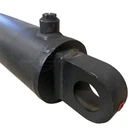

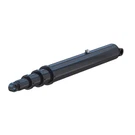


Hey there! As a supplier of multistage cylinders, I've seen firsthand how crucial it is to keep these bad boys in tip - top shape. Multistage cylinders are super handy in all sorts of industries, from construction to agriculture. But like any piece of equipment, they need proper maintenance to work their best and last a long time. So, let's dive into how you can maintain a multistage cylinder.
Regular Inspections
The first step in maintaining a multistage cylinder is regular inspections. You can't just set it and forget it! Take a good look at the cylinder on a regular basis. Check for any visible signs of damage, like cracks, dents, or scratches on the cylinder walls. These small issues can turn into big problems if left untreated.
Also, pay attention to the seals. Seals are like the gatekeepers of your cylinder, preventing hydraulic fluid from leaking out. If you notice any signs of leakage around the seals, it's a red flag. Leaking fluid not only means you're losing precious hydraulic power but can also cause damage to other components of the cylinder.
Look at the connection points as well. Make sure all the bolts and nuts are tight. Loose connections can lead to vibrations and misalignment, which can wear out the cylinder faster. A simple inspection with a good pair of eyes and a wrench can save you a lot of headaches down the road.
Fluid Checks and Changes
Hydraulic fluid is the lifeblood of a multistage cylinder. It's what makes the cylinder move and do its job. That's why it's essential to keep an eye on the fluid level and quality.
Check the fluid level regularly. You don't want it to be too low, as this can cause the cylinder to work harder than it should, leading to overheating and premature wear. On the other hand, too much fluid can also be a problem, as it can cause excessive pressure in the system.
The quality of the fluid is just as important as the quantity. Over time, hydraulic fluid can get contaminated with dirt, debris, and metal particles. These contaminants can scratch the cylinder walls and damage the seals. So, it's a good idea to change the fluid at regular intervals. How often you change the fluid depends on how often the cylinder is used and the operating conditions. But as a general rule of thumb, changing the fluid every 1000 - 2000 hours of operation is a good start.
When you change the fluid, make sure to use the right type of hydraulic fluid recommended by the manufacturer. Using the wrong fluid can cause all sorts of problems, like reduced performance and even damage to the cylinder.
Lubrication
Lubrication is another key aspect of multistage cylinder maintenance. Proper lubrication reduces friction between the moving parts of the cylinder, which helps to prevent wear and tear.
Most multistage cylinders come with lubrication points. Make sure to lubricate these points according to the manufacturer's instructions. Use a high - quality lubricant that's compatible with the materials used in the cylinder. Some cylinders may require special lubricants, so it's important to read the manual carefully.
Lubrication not only helps the cylinder move smoothly but also protects it from corrosion. Moisture can cause rust to form on the cylinder surfaces, which can weaken the structure and lead to failure. A good lubricant forms a protective barrier that keeps moisture out.
Operating Conditions
The way you operate the multistage cylinder can also have a big impact on its lifespan. Avoid overloading the cylinder. Each cylinder has a maximum load capacity, and exceeding this capacity can put a lot of stress on the cylinder and its components. This can lead to premature failure and costly repairs.
Try to keep the cylinder operating within its recommended temperature range. Extreme temperatures can cause the hydraulic fluid to break down and the seals to lose their elasticity. If you're operating in a very hot or cold environment, you may need to take extra precautions, like using a heat exchanger or a heater to regulate the fluid temperature.
Also, be gentle when operating the cylinder. Sudden starts and stops can cause shock loads, which can damage the cylinder. Use a smooth and steady operation to minimize stress on the cylinder.
Storage
If you're not going to use the multistage cylinder for a while, proper storage is crucial. First, clean the cylinder thoroughly to remove any dirt, debris, or hydraulic fluid. This helps to prevent corrosion during storage.
Store the cylinder in a dry and clean place. Avoid storing it in an area where it can be exposed to moisture, dust, or other contaminants. If possible, store the cylinder in a vertical position to prevent any internal components from shifting or getting damaged.
Before storing the cylinder for an extended period, it's a good idea to apply a light coat of lubricant to the exposed surfaces. This provides an extra layer of protection against corrosion.
Troubleshooting
Even with the best maintenance, problems can still occur. If you notice any issues with the multistage cylinder, like slow operation, unusual noises, or leaks, don't ignore them. Try to troubleshoot the problem as soon as possible.
Start by checking the basics. Make sure the fluid level is correct, the connections are tight, and there are no visible signs of damage. If the problem persists, it may be a more complex issue that requires professional help. Don't try to fix a major problem on your own if you're not experienced. It's better to call in an expert to avoid causing more damage.
Our Product Range
At our company, we offer a wide range of multistage cylinders to meet different needs. We have Inverted Telescopic Cylinders, which are designed for specific applications where space is limited. These cylinders are known for their compact design and high performance.


Our Replacement Telescopic Cylinders are a great option if you need to replace an old or damaged cylinder. They are built to the same high standards as our new cylinders and can be a cost - effective solution.
We also have Single Acting Telescopic Cylinders, which are simple and reliable. These cylinders are perfect for applications where a single direction of movement is required.
Contact Us
If you're in the market for a multistage cylinder or need more information on how to maintain your existing one, don't hesitate to get in touch. Our team of experts is always ready to help you with your needs. Whether you have a question about our products or need advice on maintenance, we're here for you. Reach out to us, and let's start a conversation about how we can meet your multistage cylinder requirements.
References
- "Hydraulic Cylinder Handbook" by Bosch Rexroth
- "Maintenance and Troubleshooting of Hydraulic Systems" by Fluid Power World
So, there you have it! By following these maintenance tips, you can keep your multistage cylinder running smoothly for years to come. And if you're looking for a reliable supplier of multistage cylinders, we've got you covered.