




Hey there! As a supplier of Dump Cylinders, I've seen firsthand how important it is to protect these crucial components from dust and debris. In this blog post, I'm gonna share some tips and tricks on how you can keep your dump cylinders in top-notch condition.
Why Protecting Dump Cylinders Matters
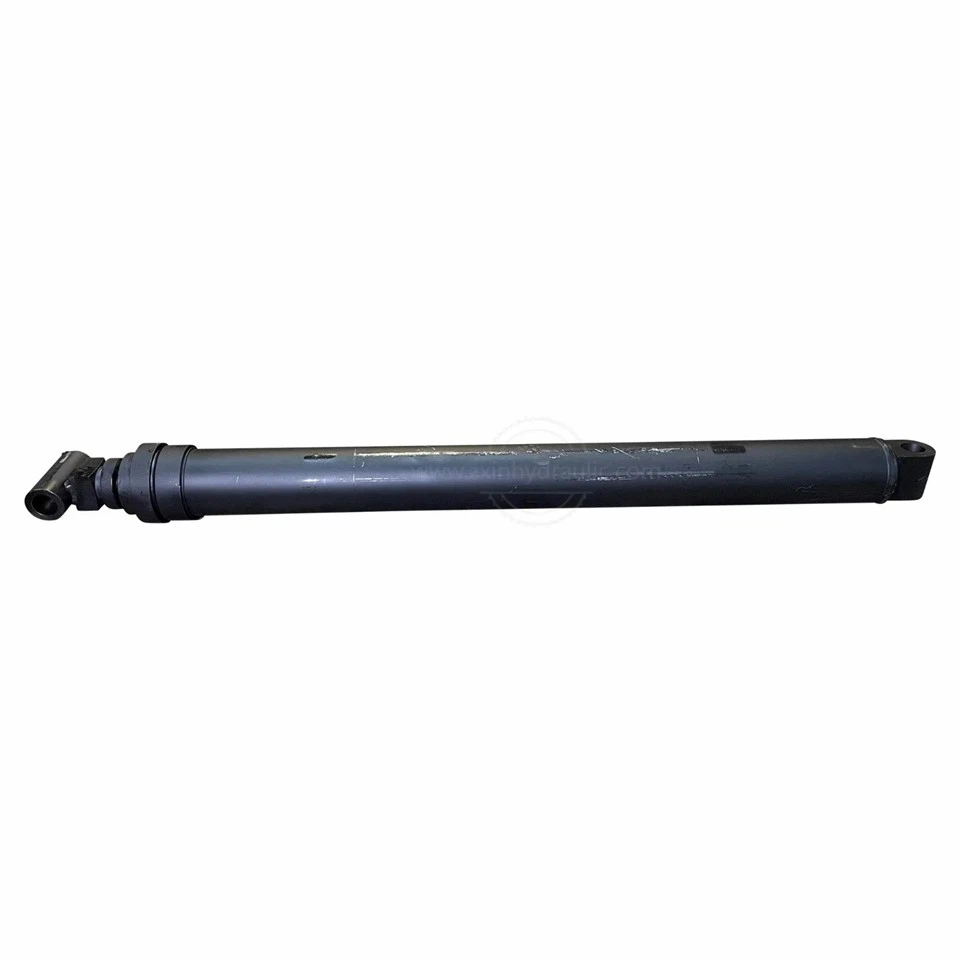
First off, let's talk about why it's so important to shield your dump cylinders from dust and debris. Dump cylinders are the workhorses of garbage trucks and other heavy - duty machinery. They're responsible for lifting and dumping heavy loads, and any damage to them can lead to costly repairs and downtime.
Dust and debris can cause a whole range of problems for dump cylinders. They can wear down the seals, which are essential for maintaining the hydraulic pressure inside the cylinder. When the seals are damaged, hydraulic fluid can leak out, reducing the cylinder's efficiency and potentially causing it to fail.
Moreover, dust and debris can also scratch the cylinder rod, which is the part of the cylinder that extends and retracts. These scratches can provide a pathway for more dust and debris to enter the cylinder, accelerating the wear and tear process.
Tips for Protecting Dump Cylinders
1. Use Protective Covers
One of the simplest and most effective ways to protect your dump cylinders is by using protective covers. These covers act as a barrier between the cylinder and the outside environment, preventing dust, dirt, and debris from getting in. There are different types of covers available, such as bellows covers and sleeve covers.
Bellows covers are made of a flexible material that can expand and contract as the cylinder rod moves. They're great for protecting the rod from lateral impacts and are very effective at keeping dust and debris out. Sleeve covers, on the other hand, are more like a tube that fits over the rod. They're typically made of a durable, abrasion - resistant material and can provide excellent protection against scratches and wear.
2. Regular Cleaning
Regular cleaning is another key step in protecting your dump cylinders. After each use, you should clean the cylinder rod and the surrounding area to remove any dust, dirt, or debris that may have accumulated. You can use a soft brush and a mild cleaning solution to gently scrub the rod. Make sure to dry the rod thoroughly after cleaning to prevent rust and corrosion.
For the cylinder body, you can use a pressure washer to remove any stubborn dirt or debris. However, be careful not to use too much pressure, as this can damage the cylinder or the seals.
3. Lubrication
Proper lubrication is essential for the smooth operation of dump cylinders and also helps protect them from dust and debris. Lubricants create a thin film on the surface of the cylinder rod, which reduces friction and prevents dust and debris from sticking to the rod.
You should use a high - quality hydraulic cylinder lubricant and apply it according to the manufacturer's recommendations. Over - lubrication can attract more dust and debris, so it's important to use the right amount.
4. Inspect Seals Regularly
The seals in your dump cylinder are its first line of defense against dust and debris. You should inspect the seals regularly for signs of wear, damage, or leakage. If you notice any problems with the seals, such as cracks or tears, you should replace them immediately.
Replacing seals is a relatively simple process, but it's important to use the correct seals for your specific dump cylinder. You can usually find replacement seals from the cylinder manufacturer or a reputable hydraulic parts supplier.

5. Keep the Work Environment Clean
The environment in which your dump cylinders operate can have a big impact on their lifespan. If possible, try to keep the work area clean and free of dust and debris. This can be especially challenging in a garbage truck or construction site environment, but taking steps like sweeping the area regularly and using dust suppression systems can make a big difference.
Related Products
If you're in the market for other types of hydraulic cylinders for your garbage trucks, we also offer a range of high - quality products. Check out our Packer Cylinder, Ejector Cylinders, and Compactor Cylinders. These cylinders are designed to withstand the tough conditions of garbage collection and disposal and are built to last.
Contact for Purchase and Consultation
If you're interested in our dump cylinders or have any questions about protecting them from dust and debris, don't hesitate to reach out. We're here to help you make the best decisions for your equipment and ensure that your dump cylinders perform at their best for years to come. Whether you need a new cylinder, replacement parts, or just some advice, we're your go - to source.
References
- "Hydraulic Cylinder Maintenance Guide", Hydraulic Equipment Manufacturers Association.
- "Best Practices for Protecting Heavy - Duty Hydraulic Cylinders", Construction Equipment Magazine.