

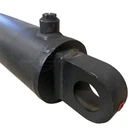



As a supplier of Side Tipper Cylinders, I understand the importance of choosing the right type of oil for these crucial components. The selection of oil can significantly impact the performance, longevity, and overall efficiency of the Side Tipper Cylinder. In this blog, I will delve into the various factors to consider when choosing oil for a Side Tipper Cylinder and recommend suitable types of oil.
Factors to Consider When Choosing Oil for a Side Tipper Cylinder
Viscosity
Viscosity is one of the most critical factors to consider when selecting oil for a Side Tipper Cylinder. It refers to the oil's resistance to flow. In a Side Tipper Cylinder, the oil needs to have the right viscosity to ensure smooth operation under different temperature and pressure conditions.
If the oil is too thin (low viscosity), it may not provide adequate lubrication, leading to increased wear and tear on the cylinder components. On the other hand, if the oil is too thick (high viscosity), it can cause sluggish operation, increased energy consumption, and potential damage to the hydraulic system.
The ideal viscosity of the oil depends on the operating temperature range of the Side Tipper Cylinder. In general, a lower viscosity oil is suitable for colder temperatures, while a higher viscosity oil is better for warmer temperatures.
Oxidation Stability
Oxidation stability is another important factor. Oxidation occurs when the oil reacts with oxygen in the presence of heat and metal catalysts. This can lead to the formation of sludge, varnish, and acids, which can damage the cylinder components and reduce the oil's effectiveness.
A high - quality oil with good oxidation stability will resist oxidation for a longer period, ensuring consistent performance and reducing the need for frequent oil changes.
Anti - wear Properties
The Side Tipper Cylinder operates under high pressure and stress, which can cause significant wear on its internal components. Therefore, the oil should have excellent anti - wear properties to protect the cylinder's piston, rod, and seals.
Anti - wear additives in the oil form a protective film on the metal surfaces, reducing friction and wear. This helps to extend the service life of the Side Tipper Cylinder and maintain its performance over time.
Corrosion Resistance
Side Tipper Cylinders are often exposed to harsh environments, including moisture and chemicals. The oil should have good corrosion resistance to prevent rust and corrosion on the cylinder components.
Corrosion can weaken the metal parts of the cylinder, leading to leaks, reduced performance, and ultimately, failure of the cylinder. Anti - corrosion additives in the oil help to protect the metal surfaces from the damaging effects of moisture and chemicals.
Compatibility with Seals
The oil must be compatible with the seals used in the Side Tipper Cylinder. Incompatible oil can cause the seals to swell, shrink, or harden, leading to leaks and reduced sealing performance.
Before selecting an oil, it is essential to check the manufacturer's recommendations regarding seal compatibility. Most modern hydraulic oils are formulated to be compatible with a wide range of seal materials, but it is still important to verify.
Suitable Types of Oil for Side Tipper Cylinders
Mineral - based Hydraulic Oils
Mineral - based hydraulic oils are the most commonly used type of oil for Side Tipper Cylinders. They are derived from crude oil and offer a good balance of performance, cost, and availability.
These oils have excellent lubricating properties, good oxidation stability, and anti - wear characteristics. They are suitable for a wide range of operating temperatures and pressures. However, they may have limited performance in extreme conditions, such as very high or very low temperatures.
Synthetic Hydraulic Oils
Synthetic hydraulic oils are formulated from chemically synthesized compounds. They offer superior performance compared to mineral - based oils, especially in extreme conditions.
Synthetic oils have excellent oxidation stability, high viscosity index (which means they maintain their viscosity over a wide temperature range), and better anti - wear and anti - corrosion properties. They are suitable for Side Tipper Cylinders operating in high - temperature environments, such as in hot climates or in applications where the cylinder generates a lot of heat.
However, synthetic hydraulic oils are generally more expensive than mineral - based oils.
Biodegradable Hydraulic Oils
Biodegradable hydraulic oils are becoming increasingly popular due to their environmental friendliness. They are typically made from vegetable oils or synthetic esters.


These oils have good lubricating properties and are biodegradable, which means they break down naturally in the environment. They are suitable for applications where there is a risk of oil leakage into the environment, such as in outdoor or marine applications.
However, biodegradable hydraulic oils may have some limitations in terms of performance and compatibility with certain materials. They may also have a shorter service life compared to mineral - based or synthetic oils.
Conclusion
Choosing the right type of oil for a Side Tipper Cylinder is crucial for its proper functioning and longevity. When selecting oil, it is important to consider factors such as viscosity, oxidation stability, anti - wear properties, corrosion resistance, and compatibility with seals.
Mineral - based hydraulic oils are a popular choice for their cost - effectiveness and general performance. Synthetic hydraulic oils offer superior performance in extreme conditions, while biodegradable hydraulic oils are environmentally friendly.
As a Side Tipper Cylinder supplier, I can provide guidance on the best oil for your specific application. If you are in the market for a Side Tipper Cylinder or need advice on oil selection, please feel free to contact me for a detailed discussion and procurement negotiation. We also offer Single Acting Hydraulic Cylinder and Cross Tube Hydraulic Cylinders, which may also be of interest to you.
References
- "Hydraulic Fluid Technology Handbook" by George Totten
- "Lubrication Fundamentals" by Bernard W. Neale