

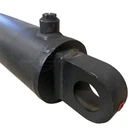



Hey there! I'm a supplier of welded cylinders, and today, I wanna chat about something super important: the problems with the cylinder heads of welded cylinders and how to replace them. Whether you're a regular buyer or just getting into the world of welded cylinders, this info is gonna be really useful.
Common Problems with Cylinder Heads of Welded Cylinders
Leakage
One of the most frequent issues we see is leakage. It can happen due to a bunch of reasons. Sometimes, the seals in the cylinder head just wear out over time. Seals are like the guardians of the cylinder, preventing the hydraulic fluid from escaping. But with constant use, they can get brittle, cracked, or just plain worn-down. Another cause of leakage is improper installation. If the cylinder head isn't tightened correctly during installation, there can be tiny gaps through which the fluid can seep out. You might notice small puddles of hydraulic fluid around the cylinder or a drop in the system's performance.
Cracks and Damage
Cracks in the cylinder head are a big problem. They can be caused by excessive pressure within the cylinder. When the pressure goes beyond what the cylinder head can handle, it can cause the metal to crack. Impact damage is also a culprit. If the cylinder gets hit during transport or operation, it can lead to cracks. Once there are cracks, not only does it affect the structural integrity of the cylinder, but it can also cause further leakage and loss of pressure. You might be thinking, "How do I know if there's a crack?" Well, sometimes you can see it with the naked eye, but in other cases, you might need special inspection tools.
Corrosion
Corrosion is another enemy of cylinder heads. It usually happens when the cylinder is exposed to moisture, chemicals, or harsh environments. The metal in the cylinder head starts to rust and break down. This not only weakens the cylinder head but can also lead to blockages in the fluid channels. You might see a brownish or greenish discoloration on the surface of the cylinder head, which is a tell - tale sign of corrosion.
Wear and Tear of Internal Components
Inside the cylinder head, there are various components like valves, pistons, and springs. Over time, these parts can wear out. The constant movement and friction between them can cause the metal to erode. For example, the valve seats might get worn, leading to improper sealing and reduced efficiency. This wear and tear can gradually decrease the performance of the entire cylinder system.
How to Know Your Cylinder Head Needs Replacement
Performance Issues
If you notice that your hydraulic system isn't working as well as it used to, it could be a sign that the cylinder head needs replacing. The cylinder might be moving slower, or it might not be able to generate the same amount of force as before. You might also experience jerky movements or sudden stops during operation.
Frequent Leakage
If you've tried to fix the leakage by replacing the seals but it keeps coming back, it's likely that the problem lies with the cylinder head itself. Constant leakage is not only a waste of hydraulic fluid but can also cause damage to other parts of the system if the fluid gets into areas where it shouldn't be.
Visible Damage
As I mentioned earlier, if you can see cracks, excessive corrosion, or other visible signs of damage on the cylinder head, it's a clear indicator that it needs to be replaced. Don't ignore these signs, as they can lead to more serious problems down the line.
Steps to Replace the Cylinder Head
Step 1: Safety First
Before you start any work on the cylinder, make sure to shut down the hydraulic system and relieve all the pressure. This is crucial to prevent any accidents. You should also wear appropriate safety gear like gloves and goggles.
Step 2: Remove the Old Cylinder Head
First, you need to disconnect all the hydraulic lines connected to the cylinder head. Be careful when doing this, as there might still be some residual pressure. Then, remove any bolts or fasteners that are holding the cylinder head in place. Depending on the type of cylinder, there might be a specific order in which you need to remove these bolts. Once all the fasteners are removed, gently lift the old cylinder head off the cylinder body.
Step 3: Inspect the Cylinder Body
While the cylinder head is off, take a good look at the cylinder body. Check for any signs of damage, wear, or debris. Clean the cylinder body thoroughly to ensure a proper seal with the new cylinder head.


Step 4: Install the New Cylinder Head
Place the new cylinder head on top of the cylinder body. Make sure it's properly aligned. Then, start installing the bolts or fasteners. Tighten them in a criss - cross pattern to ensure even pressure distribution. Once all the fasteners are in place, reconnect the hydraulic lines.
Step 5: Test the System
After the new cylinder head is installed, it's time to test the hydraulic system. Start the system slowly and check for any signs of leakage or abnormal operation. If everything looks good, you're all set!
Our Product Range
At our company, we offer a wide range of welded cylinders to meet your needs. For example, we have Cross Tube Hydraulic Cylinders which are known for their durability and high performance. Our Hydraulic Crutch 65 - 70/80 - 250 is another great option for applications where you need a reliable hydraulic cylinder. And if you're looking for something more heavy - duty, our SERIES 800 CRUTCH CYLINDERS are the perfect choice.
Ready to Order?
If you're facing problems with the cylinder heads of your welded cylinders or are just in the market for new ones, we're here to help. We've got the expertise and the high - quality products to meet your requirements. Whether you need a replacement cylinder head or a whole new welded cylinder, feel free to reach out and start a procurement discussion.
References
- "Hydraulic Cylinder Handbook" - A popular resource that covers all aspects of hydraulic cylinders including cylinder head problems and replacements.
- Industry reports on welded cylinder maintenance and repair.