

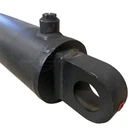



As a reputable supplier of Packer Cylinders, ensuring the functionality and reliability of our products is of utmost importance. In this blog, I will share a comprehensive guide on how to test the functionality of a new Packer Cylinder.


1. Pre - test Preparation
Before starting the actual testing, it is essential to conduct a series of preparatory steps. First, visually inspect the Packer Cylinder. Check for any visible signs of damage such as dents, scratches, or cracks on the cylinder body, piston rod, and end caps. These physical damages can potentially affect the cylinder's performance and lead to leaks or reduced functionality.
Next, verify the specifications of the Packer Cylinder. Ensure that it matches the requirements of the intended application. This includes checking the bore size, rod diameter, stroke length, and pressure rating. Any mismatch can result in improper operation and may even cause safety hazards.
Gather all the necessary testing equipment. This typically includes a pressure gauge, flow meter, and a hydraulic power unit. The pressure gauge is used to measure the hydraulic pressure inside the cylinder, the flow meter measures the flow rate of the hydraulic fluid, and the hydraulic power unit provides the necessary hydraulic force to operate the cylinder.
2. Installation of the Packer Cylinder
Proper installation is crucial for accurate testing. Mount the Packer Cylinder securely in a test rig or the actual equipment where it will be used. Make sure that all the mounting bolts are tightened to the specified torque values. Incorrect installation can lead to misalignment, which can cause uneven wear on the seals and internal components of the cylinder.
Connect the hydraulic hoses to the cylinder ports. Ensure that the connections are tight and leak - free. Use appropriate fittings and sealing materials to prevent any hydraulic fluid leakage during the test.
3. Initial Pressure and Leakage Test
Once the cylinder is installed, start the hydraulic power unit and gradually increase the pressure to a low level, typically around 10 - 20% of the maximum rated pressure. This is done to check for any immediate leaks. Inspect all the connections, seals, and the cylinder body for signs of hydraulic fluid leakage. If any leaks are detected, stop the test immediately and repair or replace the faulty components.
As the pressure is increased, monitor the pressure gauge to ensure that the pressure builds up steadily. Any sudden drops in pressure may indicate a leak or a problem with the internal components of the cylinder, such as a damaged piston seal.
4. Stroke and Movement Test
After confirming that there are no leaks at low pressure, perform a stroke and movement test. Slowly extend and retract the piston rod of the Packer Cylinder through its full stroke length. Observe the movement of the rod. It should move smoothly without any jerks, binding, or excessive resistance.
During the stroke test, pay attention to the end - of - stroke positions. The cylinder should stop precisely at the end of the stroke without over - traveling or hitting the end caps with excessive force. Any abnormal movement or noise during the stroke test may indicate issues with the internal components, such as a damaged piston or a misaligned rod.
5. Load and Performance Test
To simulate real - world operating conditions, a load and performance test is necessary. Apply a load to the piston rod of the Packer Cylinder. This can be done using a load cell or by connecting the cylinder to a hydraulic actuator that provides a known resistance.
Gradually increase the load while monitoring the pressure and the movement of the cylinder. The cylinder should be able to handle the load within its rated capacity without any significant loss of performance. Measure the force exerted by the cylinder at different load levels using the pressure gauge and the known area of the piston.
Compare the measured force values with the theoretical values calculated based on the cylinder's specifications. Any significant deviations may indicate problems with the cylinder, such as a worn - out piston seal or a damaged cylinder wall.
6. Cycle and Fatigue Test
To ensure the long - term reliability of the Packer Cylinder, a cycle and fatigue test is recommended. This involves repeatedly extending and retracting the piston rod through a large number of cycles, typically thousands or tens of thousands of cycles depending on the application requirements.
During the cycle test, monitor the performance of the cylinder at regular intervals. Check for any signs of wear, such as increased leakage, reduced force output, or abnormal noise. The cylinder should be able to withstand the repeated cycling without significant degradation in performance.
7. Testing Different Types of Packer Cylinders
There are different types of Packer Cylinders used in various applications, such as Tailgate Lift Cylinder, Dump Cylinder, and Ejector Cylinders. While the basic testing principles remain the same, there may be some specific considerations for each type.
For Tailgate Lift Cylinders, the test should focus on the ability to lift and lower the tailgate smoothly and accurately. The load capacity should be tested to ensure that it can handle the weight of the tailgate and any additional loads.
Dump Cylinders are used to dump the contents of a container. The test should verify the cylinder's ability to lift the container to the required angle and hold the load securely without any leakage or movement during the dumping process.
Ejector Cylinders are used to eject materials from a container. The test should ensure that the cylinder can provide the necessary force to eject the materials efficiently and that the stroke length is sufficient for the intended application.
8. Post - test Inspection and Documentation
After completing all the tests, perform a final inspection of the Packer Cylinder. Check for any signs of wear, damage, or leakage that may have occurred during the testing process. Clean the cylinder and remove any hydraulic fluid residues.
Document all the test results, including the pressure readings, load values, stroke lengths, and any observations or issues detected during the test. This documentation is essential for quality control and for providing customers with detailed information about the performance of the cylinder.
Conclusion
Testing the functionality of a new Packer Cylinder is a comprehensive process that requires careful preparation, accurate measurement, and thorough inspection. By following the steps outlined in this guide, you can ensure that the Packer Cylinder meets the required standards and performs reliably in real - world applications.
If you are in the market for high - quality Packer Cylinders or need assistance with testing and quality control, we are here to help. Our team of experts has extensive experience in the field of hydraulic cylinders and can provide you with the best solutions for your specific needs. Contact us to start a procurement discussion and find the perfect Packer Cylinder for your application.
References
- Hydraulic Cylinder Handbook by Eaton Corporation
- Fluid Power Engineering by John C. Fitch