

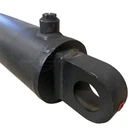

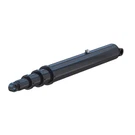


Misalignment in a side tipper cylinder can have far - reaching and significant impacts on its performance, longevity, and overall safety. As a trusted side tipper cylinder supplier, I've witnessed firsthand the various consequences that misalignment can bring. In this blog, I'll delve into the specific impacts of misalignment on a side tipper cylinder and why it's crucial to address this issue promptly.
1. Reduced Efficiency and Performance
One of the most immediate impacts of misalignment is a reduction in the efficiency of the side tipper cylinder. A side tipper cylinder is designed to operate with precision, extending and retracting smoothly to tilt the load - carrying body. When misaligned, the cylinder has to work harder to perform its function.
The misalignment causes uneven stress distribution within the cylinder. For instance, the piston rod may not move in a straight line as intended. This means that the hydraulic force applied is not utilized optimally. Some parts of the cylinder may experience excessive force, while others receive less than required. As a result, the cylinder may not be able to lift or tilt the load as quickly or as smoothly as it should. This inefficiency can lead to longer cycle times, which is a major concern in industries where time is of the essence, such as construction and mining.
Moreover, the reduced efficiency can also lead to increased energy consumption. The hydraulic system has to pump more fluid to generate the same amount of force, which not only raises operational costs but also puts additional strain on the entire hydraulic setup.
2. Accelerated Wear and Tear
Misalignment accelerates the wear and tear of the side tipper cylinder components. The piston rod, which is a critical part of the cylinder, is particularly vulnerable. When misaligned, the rod rubs against the cylinder bore unevenly. This uneven contact creates friction, which over time, wears down the surface of the rod and the bore.


The seals in the cylinder are also at risk. The seals are designed to keep the hydraulic fluid inside the cylinder and prevent leakage. However, misalignment can cause the seals to be distorted or damaged. As the piston rod moves in an irregular path, it can put excessive pressure on the seals, leading to premature failure. Once the seals fail, hydraulic fluid can leak out, reducing the effectiveness of the cylinder and potentially causing environmental hazards.
The bearings and bushings in the cylinder are also affected. Misalignment can cause abnormal loading on these components, leading to increased wear. This can result in play or looseness in the cylinder, further exacerbating the misalignment problem and causing more damage to other parts of the cylinder.
3. Safety Risks
Safety is a top priority in any industry that uses side tipper cylinders. Misalignment poses significant safety risks. When a side tipper cylinder is misaligned, the load - carrying body may not tilt evenly. This can cause the load to shift unexpectedly, increasing the risk of the vehicle tipping over. In industries such as waste management and construction, where large and heavy loads are involved, a tipped - over vehicle can cause serious injuries to operators and bystanders, as well as damage to property.
In addition, the increased wear and tear caused by misalignment can lead to sudden component failures. For example, a broken piston rod or a failed seal can cause the cylinder to lose its ability to support the load. This can result in the load crashing down, which is extremely dangerous.
4. Impact on Other Components
Misalignment in a side tipper cylinder doesn't just affect the cylinder itself; it can also have a domino effect on other components of the hydraulic system. The hydraulic pump, for instance, has to work harder to compensate for the inefficiencies caused by misalignment. This can lead to overheating of the pump and a shorter lifespan.
The hoses and fittings in the hydraulic system are also under more stress. The uneven movement of the misaligned cylinder can cause the hoses to bend or twist in abnormal ways, leading to cracks or leaks. These issues can not only disrupt the operation of the side tipper but also pose safety hazards due to the potential for hydraulic fluid leaks.
5. Cost Implications
The impacts of misalignment on a side tipper cylinder translate into significant cost implications. The reduced efficiency means higher energy costs over time. The accelerated wear and tear lead to more frequent maintenance and replacement of components. Replacing a piston rod, seals, or bearings can be expensive, especially if it has to be done on a regular basis.
In addition, the safety risks associated with misalignment can result in costly accidents. Lawsuits, medical expenses, and property damage can all add up to a substantial financial burden. And the downtime caused by component failures and maintenance can also lead to lost productivity and revenue.
How to Prevent Misalignment
As a side tipper cylinder supplier, I recommend several measures to prevent misalignment. First, proper installation is crucial. The cylinder should be installed according to the manufacturer's specifications, with careful attention to alignment. This may require the use of alignment tools and skilled technicians.
Regular inspections are also essential. Inspecting the cylinder for signs of misalignment, wear, and damage on a regular basis can help detect problems early. Any issues should be addressed immediately to prevent further damage.
Proper maintenance, including lubrication and cleaning, can also help keep the cylinder in good condition and reduce the risk of misalignment.
Our Product Offerings
At our company, we offer a range of high - quality side tipper cylinders designed to minimize the risk of misalignment. Our cylinders are manufactured with precision engineering and strict quality control. We also provide SERIES 800 CRUTCH CYLINDERS, which are known for their durability and reliability. Our Roll - off Truck Cylinder is another popular product, suitable for various applications. And for those in need of additional support, our Hydraulic Crutch can provide the necessary stability.
Contact Us for Purchase and Consultation
If you're in the market for a side tipper cylinder or need more information about preventing misalignment, we're here to help. Our team of experts can provide you with detailed product information, technical support, and guidance on installation and maintenance. We're committed to providing you with the best solutions for your specific needs. Don't hesitate to contact us to start the conversation about your procurement requirements.
References
- "Hydraulic Cylinder Technology" by Frank J. Shea. This book provides in - depth knowledge about the design, operation, and maintenance of hydraulic cylinders, including side tipper cylinders.
- Industry research reports on the performance and safety of side tipper cylinders in various applications. These reports offer real - world data and insights into the impacts of misalignment and how to address them.