

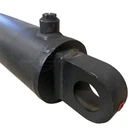



As a supplier of Side Tipper Cylinders, I understand the critical importance of protecting these essential components from corrosion. Corrosion can significantly reduce the lifespan and performance of Side Tipper Cylinders, leading to costly repairs and downtime. In this blog post, I will share some effective strategies and best practices on how to protect a Side Tipper Cylinder from corrosion.
Understanding the Causes of Corrosion in Side Tipper Cylinders
Before we delve into the protection methods, it's crucial to understand the factors that contribute to corrosion in Side Tipper Cylinders. Corrosion is a natural process that occurs when metal reacts with its environment. In the case of Side Tipper Cylinders, several factors can accelerate this process:
- Exposure to Moisture: Water is one of the primary catalysts for corrosion. Side Tipper Cylinders are often used in outdoor environments where they are exposed to rain, snow, and humidity. Even small amounts of moisture can initiate the corrosion process, especially if the cylinder is not properly protected.
- Chemical Exposure: Side Tipper Cylinders may come into contact with various chemicals, such as road salts, fertilizers, and industrial pollutants. These chemicals can react with the metal surface of the cylinder, causing corrosion and damage.
- Mechanical Damage: Scratches, dents, and other forms of mechanical damage can expose the underlying metal of the cylinder to the environment, making it more susceptible to corrosion.
Selecting the Right Materials
The choice of materials is crucial in preventing corrosion in Side Tipper Cylinders. When selecting materials for the cylinder, consider the following factors:
- Corrosion-Resistant Metals: Opt for metals that are known for their corrosion resistance, such as stainless steel or aluminum. These metals have a natural oxide layer that protects them from rust and corrosion.
- Coatings and Finishes: Apply a protective coating or finish to the cylinder to provide an additional layer of protection against corrosion. Common coatings include epoxy, polyurethane, and zinc plating.
Proper Surface Preparation
Before applying any protective coating or finish, it's essential to prepare the surface of the Side Tipper Cylinder properly. This involves cleaning the surface to remove any dirt, grease, or rust. Here are the steps for proper surface preparation:
- Cleaning: Use a degreaser or solvent to clean the surface of the cylinder thoroughly. This will remove any contaminants that could interfere with the adhesion of the coating.
- Rust Removal: If there is any rust on the surface of the cylinder, use a wire brush or sandpaper to remove it. Make sure to smooth out any rough edges or scratches.
- Etching: In some cases, it may be necessary to etch the surface of the cylinder to improve the adhesion of the coating. This can be done using a chemical etchant or by sandblasting.
Applying Protective Coatings
Once the surface of the Side Tipper Cylinder is properly prepared, it's time to apply a protective coating. There are several types of coatings available, each with its own advantages and disadvantages. Here are some common types of protective coatings:
- Epoxy Coatings: Epoxy coatings are known for their excellent adhesion, chemical resistance, and durability. They are a popular choice for protecting Side Tipper Cylinders from corrosion.
- Polyurethane Coatings: Polyurethane coatings offer good flexibility, abrasion resistance, and UV protection. They are often used in outdoor applications where the cylinder is exposed to sunlight and harsh weather conditions.
- Zinc Plating: Zinc plating is a cost-effective way to protect the cylinder from corrosion. It provides a sacrificial layer of protection that corrodes before the underlying metal.
Regular Maintenance and Inspection
Even with the best protective measures in place, it's still important to perform regular maintenance and inspection on the Side Tipper Cylinder. This will help you detect any signs of corrosion or damage early on and take appropriate action. Here are some maintenance and inspection tips:
- Visual Inspection: Regularly inspect the cylinder for any signs of corrosion, such as rust, discoloration, or pitting. Pay special attention to areas that are prone to corrosion, such as the joints and connections.
- Lubrication: Keep the moving parts of the cylinder well-lubricated to prevent friction and wear. This will also help protect the metal surface from corrosion.
- Cleaning: Clean the cylinder regularly to remove any dirt, debris, or chemicals that could cause corrosion. Use a mild detergent and water to clean the surface, and dry it thoroughly afterward.
Environmental Considerations
In addition to the above measures, it's also important to consider the environmental conditions in which the Side Tipper Cylinder will be used. Here are some environmental considerations:
- Storage: When the cylinder is not in use, store it in a dry, protected environment. This will help prevent exposure to moisture and other corrosive elements.
- Weather Protection: If the cylinder is used outdoors, consider using a protective cover or shelter to shield it from the elements. This will help reduce the risk of corrosion caused by rain, snow, and sunlight.
- Chemical Exposure: If the cylinder is likely to come into contact with chemicals, take appropriate precautions to protect it. This may include using chemical-resistant coatings or storing the cylinder in a chemical-free environment.
Conclusion
Protecting a Side Tipper Cylinder from corrosion is essential for ensuring its long-term performance and reliability. By understanding the causes of corrosion, selecting the right materials, preparing the surface properly, applying protective coatings, performing regular maintenance and inspection, and considering the environmental conditions, you can significantly reduce the risk of corrosion and extend the lifespan of your Side Tipper Cylinder.
At our company, we are committed to providing high-quality Side Tipper Cylinders that are built to last. Our cylinders are made from corrosion-resistant materials and are coated with a protective finish to ensure maximum durability. If you are in the market for a Side Tipper Cylinder or need more information on how to protect your existing cylinder from corrosion, please contact us for a consultation. We look forward to working with you to meet your hydraulic cylinder needs.


References
- "Corrosion Prevention in Hydraulic Cylinders," Hydraulics & Pneumatics Magazine, Volume 23, Issue 4, 2022.
- "Materials Selection for Hydraulic Cylinders," ASM Handbook, Volume 13A, Corrosion: Fundamentals, Testing, and Protection, 2017.
- "Surface Preparation and Coating Application for Hydraulic Cylinders," NACE International Corrosion Conference Proceedings, 2021.
You can replace the email address in the text with the actual contact information or leave it as a placeholder for the real contact details. Also, you need to replace the domain "ab.com" in the hyperlinks with the actual correct domain. The references are just for illustration, and you should find real and relevant references according to the actual situation.