

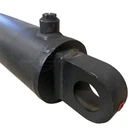

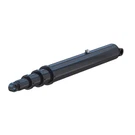


As a supplier of Roll-off Truck Cylinders, I understand the critical importance of ensuring that our products meet the highest performance standards. Rolling off trucks rely heavily on their cylinders to perform tasks such as lifting, tilting, and dumping, making the cylinder's performance a key factor in the overall efficiency and reliability of the vehicle. In this blog post, I will share a comprehensive guide on how to test the performance of a roll-off truck cylinder, drawing on our years of experience in the industry.
1. Pre - test Preparation
Before starting any performance tests, it is essential to conduct a thorough pre - test inspection. First, check the physical condition of the cylinder. Look for any signs of damage, such as dents, scratches, or leaks on the cylinder body, piston rod, and seals. A damaged cylinder can significantly affect its performance and may even lead to failure during operation.
Next, ensure that the cylinder is properly installed and connected. Check the mounting brackets to make sure they are secure and that there is no excessive play. Verify that all hydraulic hoses are correctly connected, tightened, and free from any kinks or blockages. Incorrect installation can cause uneven pressure distribution and reduced performance.
Also, make sure the hydraulic fluid in the system is at the appropriate level and of the correct type. Contaminated or low - level hydraulic fluid can lead to problems such as cavitation, increased friction, and reduced efficiency.
2. Static Pressure Test
The static pressure test is a fundamental step in evaluating the cylinder's performance. This test measures the cylinder's ability to hold pressure without any movement.


To perform a static pressure test, first, close all the valves in the hydraulic system to isolate the cylinder. Then, use a pressure gauge to gradually increase the pressure in the cylinder to the maximum rated pressure. It is crucial to increase the pressure slowly to prevent sudden surges that could damage the cylinder.
Once the maximum rated pressure is reached, hold the pressure for a specified period, usually around 10 - 15 minutes. Observe the pressure gauge during this time. If the pressure drops significantly, it indicates a potential leak in the cylinder, such as a faulty seal or a crack in the cylinder body.
If a leak is detected, it is necessary to identify the source. Check all the seals, connections, and the cylinder body itself. Replace any damaged components and repeat the static pressure test until the cylinder can hold the pressure without significant loss.
3. Dynamic Performance Test
After passing the static pressure test, the next step is to conduct a dynamic performance test. This test evaluates the cylinder's performance during actual operation.
3.1 Extension and Retraction Test
Start by operating the cylinder through its full range of motion. This involves extending and retracting the piston rod multiple times. Measure the time it takes for the cylinder to fully extend and retract. Compare these times with the manufacturer's specifications. Any significant deviation may indicate problems such as a binding piston, a restricted flow in the hydraulic system, or excessive friction.
During the extension and retraction process, listen for any unusual noises, such as grinding or knocking sounds. Unusual noises can be a sign of internal damage, improper lubrication, or misalignment.
3.2 Load - bearing Capacity Test
The load - bearing capacity test assesses the cylinder's ability to handle different loads. Attach a calibrated load to the cylinder and gradually increase the load while operating the cylinder through its extension and retraction cycles. Monitor the pressure in the hydraulic system and the movement of the cylinder.
Pay attention to any signs of bending, sagging, or excessive deformation of the piston rod or the cylinder body. If the cylinder shows signs of failure under the test load, it may not be suitable for the intended application.
4. Flow Rate Test
The flow rate of the hydraulic fluid in the cylinder is an important factor that affects its performance. A proper flow rate ensures smooth and efficient operation.
To measure the flow rate, use a flow meter installed in the hydraulic line leading to the cylinder. Operate the cylinder and record the flow rate at different operating points. Compare the measured flow rates with the design specifications.
If the flow rate is too low, it may be due to a clogged filter, a small - diameter hydraulic hose, or a malfunctioning pump. If the flow rate is too high, it could cause excessive wear on the seals and other components of the cylinder. Adjust the flow rate by cleaning or replacing the filter, changing the hydraulic hose, or adjusting the pump settings as needed.
5. Temperature Test
During operation, the temperature of the cylinder can provide valuable information about its performance and the condition of the hydraulic system. Excessive temperatures can cause the hydraulic fluid to degrade, reduce the effectiveness of the seals, and lead to premature component failure.
Use a temperature sensor to measure the temperature of the cylinder body and the hydraulic fluid at various stages of operation. Normal operating temperatures for roll - off truck cylinders typically range between 50 - 80°C (122 - 176°F). If the temperature exceeds these limits, it indicates a problem such as excessive friction, a restricted flow, or a malfunctioning cooling system.
Take measures to reduce the temperature, such as checking and cleaning the cooling system, increasing the flow rate of the hydraulic fluid, or reducing the load on the cylinder.
Product Recommendations
As a Roll - off Truck Cylinder supplier, we offer a wide range of high - quality products. For those interested in double - acting cylinders, you can check out our Double Acting Hydraulic Cylinder. These cylinders provide reliable force in both the extension and retraction strokes, making them ideal for heavy - duty roll - off truck applications.
Our Hydraulic Crutch 80 - 90/102 - 250 is another excellent option. It is designed with high - strength materials and precision engineering to ensure long - lasting performance.
For side - tipper applications, our Side Tipper Cylinder delivers the necessary power and stability to handle large loads and frequent tipping operations.
Contact for Purchase
If you are looking for high - quality roll - off truck cylinders that are rigorously tested for performance, we are here to help. We can provide customized solutions based on your specific requirements. Contact us to start a discussion about your procurement needs, and we will work with you to ensure that you get the best cylinder products for your roll - off trucks.
References
- "Hydraulic Cylinder Handbook", [Author Name], [Publisher Name], [Year of Publication]
- "Roll - off Truck Design and Operation Manual", [Author Name], [Trade Association], [Year of Publication]
- Industry standards and guidelines for hydraulic cylinders issued by [Standard - setting Organization Name]