




As a supplier of Roll - off Truck Cylinders, I understand the critical importance of ensuring that operators can use these cylinders safely and effectively. Roll - off truck cylinders play a vital role in the waste management and transportation industry, enabling the efficient loading and unloading of roll - off containers. In this blog, I will share some key strategies and steps on how to train operators to handle these cylinders with the highest level of safety and efficiency.


Pre - training Preparation
Before starting the actual training, it is essential to assess the operators' existing knowledge and skills. This can be done through a simple questionnaire or a short interview. Understanding their background in hydraulic systems, mechanical operations, and safety protocols will help in tailoring the training program to their specific needs.
Provide operators with comprehensive training materials. These materials should include detailed manuals about the roll - off truck cylinders, including their specifications, components, and operating principles. Visual aids such as diagrams and videos can be extremely helpful in explaining complex concepts. For example, a video demonstrating the proper installation and connection of the cylinder can make it easier for operators to understand.
Safety Training
Safety should always be the top priority when it comes to operating roll - off truck cylinders. Begin the training by covering the basic safety rules and regulations. This includes wearing appropriate personal protective equipment (PPE) such as safety glasses, gloves, and steel - toed boots. Explain the potential hazards associated with hydraulic cylinders, such as high - pressure fluid leaks, which can cause serious injuries.
Teach operators how to conduct pre - operation safety checks. They should inspect the cylinder for any visible damage, such as cracks, dents, or leaks. Check the hydraulic hoses for signs of wear and tear, and ensure that all connections are tight. Operators should also be trained to check the hydraulic fluid level and its quality regularly. Low fluid levels or contaminated fluid can lead to poor cylinder performance and potential system failures.
Demonstrate the correct emergency procedures. In case of a hydraulic fluid leak or other malfunctions, operators should know how to shut down the system safely and isolate the affected area. They should also be familiar with the location of emergency stop buttons and other safety devices on the truck.
Technical Training
Understanding the Components
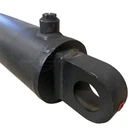
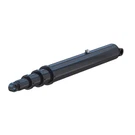
Operators need to have a good understanding of the different components of a roll - off truck cylinder. The cylinder consists of a barrel, piston, rod, and seals. Explain how these components work together to generate the necessary force for lifting and lowering the roll - off container. For more information on hydraulic pistons, you can visit Hydraulic Piston.
Show operators how to identify the different types of cylinders available. There are various designs, such as Cross Tube Hydraulic Cylinders and Clevis Hydraulic Cylinders, each with its own advantages and applications. Understanding these differences will help operators choose the right cylinder for the job.
Operating Procedures
Teach operators the correct operating procedures step by step. Start with the basic controls, such as the hydraulic valves and switches. Explain how to operate these controls smoothly to achieve precise movement of the cylinder. For example, when lifting a heavy container, operators should apply the pressure gradually to avoid sudden jerks that can cause instability.
Demonstrate the proper sequencing of operations. When loading a container, the cylinder should be extended slowly until the container is in the correct position. Then, the locking mechanism should be engaged to secure the container. When unloading, the process is reversed, with the cylinder retracting slowly.
Maintenance and Troubleshooting
Regular maintenance is crucial for the long - term performance and safety of roll - off truck cylinders. Train operators on how to perform routine maintenance tasks, such as cleaning the cylinder, lubricating moving parts, and replacing worn - out seals. Explain the importance of following the manufacturer's recommended maintenance schedule.
Teach operators how to troubleshoot common problems. For example, if the cylinder is not extending or retracting properly, it could be due to a blocked hydraulic line, a faulty valve, or a worn - out seal. Provide them with a troubleshooting guide that lists the possible causes and solutions for different issues.
Practical Training
Theory alone is not enough. Operators need hands - on experience to master the skills of using roll - off truck cylinders. Arrange practical training sessions where operators can operate the cylinders under the supervision of an experienced instructor.
During the practical training, start with simple tasks and gradually increase the complexity. For example, have operators practice lifting and lowering an empty container first, and then move on to handling heavier loads. Provide feedback and guidance to operators as they perform the tasks, helping them correct any mistakes and improve their techniques.
Continuous Training and Evaluation
Training is not a one - time event. It should be an ongoing process to keep operators updated on the latest safety standards, technologies, and best practices. Conduct regular refresher courses to reinforce the knowledge and skills that operators have learned.
Evaluate the operators' performance regularly. This can be done through practical assessments, written tests, or on - the - job observations. Identify areas where operators need further improvement and provide additional training as needed.
Conclusion
Training operators to use roll - off truck cylinders safely and effectively is a complex but essential task. By following the steps outlined in this blog, you can ensure that your operators are well - equipped with the knowledge and skills to handle these cylinders with confidence. Remember, safety is paramount, and continuous training and evaluation are key to maintaining high - quality operations.
If you are interested in purchasing our high - quality roll - off truck cylinders or have any questions about our products, please feel free to contact us for further discussion and negotiation. We are committed to providing you with the best solutions for your waste management and transportation needs.
References
- Hydraulic Cylinder Handbook. Manufacturer's Publication.
- Occupational Safety and Health Administration (OSHA) Guidelines for Hydraulic Equipment Operation.