

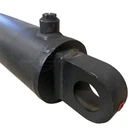



Hey there! As a supplier of dump cylinders, I've gotten a ton of questions from customers about abnormal noises coming from these cylinders. It's a pretty common issue, and it can be a real headache for anyone using dump trucks or other equipment that rely on these cylinders. So, I thought I'd take some time to break down the possible reasons for these abnormal noises.
1. Air in the Hydraulic System
One of the most common culprits behind abnormal noises in a dump cylinder is air in the hydraulic system. When air gets into the system, it can cause a variety of problems. You see, hydraulic systems work by using fluid to transfer power. But air is compressible, while hydraulic fluid isn't. So, when there's air in the system, it can lead to a knocking or rattling noise as the piston moves.
This usually happens during maintenance or when there's a leak in the system. For example, if you're replacing a hydraulic hose and don't bleed the system properly, air can get trapped inside. Once the system is pressurized, that air starts to move around, causing those annoying noises.
To fix this, you'll need to bleed the hydraulic system. This involves opening the bleed valves and letting the air escape while filling the system with fresh hydraulic fluid. It's a bit of a time - consuming process, but it's essential to get rid of the air and restore the proper operation of the dump cylinder.
2. Worn Seals
Seals play a crucial role in a dump cylinder. They keep the hydraulic fluid where it needs to be and prevent leaks. Over time, though, these seals can wear out. When seals start to wear, they can't do their job effectively.
If the seals are worn, hydraulic fluid can leak past them. This can cause a hissing or whistling noise as the fluid escapes under pressure. Additionally, worn seals can also lead to a loss of pressure in the system, which may result in the cylinder not operating smoothly and making strange noises.
Replacing worn seals is a relatively straightforward fix. However, it's important to use high - quality seals that are compatible with your dump cylinder. Using the wrong seals can lead to more problems down the road. You can find a wide range of seals designed for different types of dump cylinders, including Tailgate Lift Cylinder, Compactor Cylinders, and Ejector Cylinders.
3. Contaminated Hydraulic Fluid
Hydraulic fluid is like the lifeblood of a dump cylinder. It needs to be clean and free of contaminants to work properly. But over time, dirt, debris, and other contaminants can find their way into the fluid.
Contaminated fluid can cause a lot of issues. For one, it can damage the internal components of the cylinder, such as the piston and the cylinder walls. As these components start to wear, they can make grinding or scraping noises. Also, the contaminants can clog the hydraulic filters and valves, which disrupts the flow of fluid and leads to abnormal pressure changes in the system.
To deal with this, you should regularly check the hydraulic fluid and change it according to the manufacturer's recommendations. You'll also need to replace the filters at the same time. Using a high - quality hydraulic fluid can help prevent contamination in the first place.
4. Misaligned Cylinder
A misaligned dump cylinder can also be a source of abnormal noises. If the cylinder isn't properly installed or if it gets knocked out of alignment during operation, it can cause a lot of stress on the internal components.


When the cylinder is misaligned, the piston may not move smoothly inside the cylinder. This can result in a banging or clunking noise as the piston hits the sides of the cylinder. Misalignment can also lead to uneven wear on the seals and other components, which will only make the problem worse over time.
Fixing a misaligned cylinder usually involves adjusting its position. This may require some specialized tools and knowledge, so it's often best to have a professional do it. Make sure to check the alignment of the cylinder during routine maintenance to catch any issues early.
5. Loose Components
Another possible reason for abnormal noises is loose components. Over time, the bolts, nuts, and other fasteners that hold the dump cylinder together can loosen up. This can happen due to vibrations during operation or if the equipment has been subjected to rough handling.
When components are loose, they can rattle or vibrate, creating all sorts of strange noises. You might hear a rattling sound that gets louder as the cylinder operates. To fix this, you'll need to go over the cylinder and tighten all the loose fasteners. It's a simple fix, but it's important to do it regularly to prevent further damage.
6. Cavitation
Cavitation is a phenomenon that occurs when the pressure in the hydraulic fluid drops below its vapor pressure, causing vapor bubbles to form. These bubbles then collapse when the pressure increases again.
This collapse of the bubbles can create a loud, popping or crackling noise. Cavitation can be caused by a variety of factors, such as a clogged suction line, a low fluid level, or a pump that's operating at too high a speed.
To prevent cavitation, you need to make sure the hydraulic system has enough fluid and that the suction line is clear. You may also need to adjust the pump speed to keep the pressure within the proper range.
Contact Us for Solutions
If you're experiencing abnormal noises in your dump cylinders and you're not sure how to fix it, don't worry! As a trusted supplier of dump cylinders, we have the expertise and the products to help you out. Whether you need replacement seals, high - quality hydraulic fluid, or a new dump cylinder altogether, we've got you covered.
We offer a wide range of dump cylinders, including Tailgate Lift Cylinder, Compactor Cylinders, and Ejector Cylinders. Our team of experts can provide you with the right advice and solutions to get your equipment back up and running smoothly.
So, if you're looking for a reliable partner for your dump cylinder needs, reach out to us. We're here to help you solve your problems and keep your operations running efficiently.
References
- "Hydraulic Systems Handbook" - A comprehensive guide on hydraulic systems and their components.
- Manufacturer's manuals for dump cylinders, which provide detailed information on maintenance and troubleshooting.