

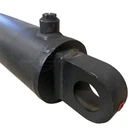



Hey there! As a supplier of Packer Cylinders, I've seen firsthand how crucial it is to protect these components in corrosive environments. Corrosion can eat away at the cylinders, leading to reduced performance, increased maintenance costs, and ultimately, a shorter lifespan. That's why choosing the right coating for your Packer Cylinders is so important. In this blog post, I'll walk you through the different coating options available and help you figure out which one is best for your specific needs.
Why Coatings Matter for Packer Cylinders
Before we dive into the coating options, let's quickly talk about why coatings are so important for Packer Cylinders in corrosive environments. Corrosion is a natural process that occurs when metal reacts with its environment, typically oxygen and moisture. In industrial settings, Packer Cylinders are often exposed to harsh chemicals, high humidity, and extreme temperatures, all of which can accelerate the corrosion process.
A good coating acts as a barrier between the metal surface of the cylinder and the corrosive environment. It helps prevent the metal from coming into direct contact with oxygen, moisture, and other corrosive agents, thereby reducing the risk of corrosion and extending the lifespan of the cylinder. Additionally, coatings can also improve the cylinder's resistance to wear, abrasion, and chemical attack, further enhancing its performance and durability.
Coating Options for Packer Cylinders
Now that we understand the importance of coatings, let's take a look at some of the most common coating options available for Packer Cylinders in corrosive environments.
1. Chrome Plating
Chrome plating is one of the most popular coating options for Packer Cylinders. It involves depositing a thin layer of chromium onto the surface of the cylinder using an electroplating process. Chrome plating offers several benefits, including excellent corrosion resistance, high hardness, and good wear resistance.
The chromium layer forms a protective barrier that prevents the metal surface from coming into contact with corrosive agents. It also has a smooth surface finish, which reduces friction and wear, improving the cylinder's performance and efficiency. Chrome plating is particularly suitable for applications where the cylinder is exposed to mild to moderate corrosion and wear.
However, chrome plating does have some limitations. It can be relatively expensive, especially for large or complex cylinders. Additionally, the electroplating process can produce hazardous waste, which requires proper disposal. In some cases, the chrome layer may also crack or peel over time, especially if the cylinder is subjected to high stress or impact.
2. Nickel Plating
Nickel plating is another common coating option for Packer Cylinders. Similar to chrome plating, nickel plating involves depositing a thin layer of nickel onto the surface of the cylinder using an electroplating process. Nickel plating offers good corrosion resistance, high hardness, and excellent adhesion to the metal surface.


The nickel layer provides a protective barrier against corrosion and wear, and it can also improve the cylinder's resistance to chemical attack. Nickel plating is often used in applications where the cylinder is exposed to moderately corrosive environments, such as in the chemical or food processing industries.
One of the advantages of nickel plating is that it can be applied to a variety of metal substrates, including steel, aluminum, and copper. It is also relatively inexpensive compared to chrome plating. However, nickel plating may not be as hard or wear-resistant as chrome plating, and it may require a thicker coating to achieve the same level of corrosion resistance.
3. Ceramic Coatings
Ceramic coatings are a newer type of coating option for Packer Cylinders. They are made from ceramic materials, such as aluminum oxide or titanium nitride, and are applied to the surface of the cylinder using a thermal spray or chemical vapor deposition process. Ceramic coatings offer several advantages, including excellent corrosion resistance, high hardness, and good thermal stability.
The ceramic layer forms a hard, wear-resistant surface that can withstand high temperatures, abrasion, and chemical attack. It also has a low friction coefficient, which reduces wear and improves the cylinder's efficiency. Ceramic coatings are particularly suitable for applications where the cylinder is exposed to extreme corrosion, high temperatures, and heavy wear, such as in the oil and gas or mining industries.
However, ceramic coatings can be relatively expensive and difficult to apply. They require specialized equipment and expertise, and the coating process can be time-consuming. Additionally, ceramic coatings may be brittle and prone to cracking or chipping if the cylinder is subjected to high stress or impact.
4. PTFE Coatings
PTFE (polytetrafluoroethylene) coatings, also known as Teflon coatings, are another popular coating option for Packer Cylinders. PTFE is a synthetic fluoropolymer that has excellent chemical resistance, low friction, and non-stick properties. PTFE coatings are applied to the surface of the cylinder using a spray or dip coating process.
The PTFE layer provides a smooth, non-stick surface that reduces friction and wear, improving the cylinder's performance and efficiency. It also has excellent chemical resistance, making it suitable for applications where the cylinder is exposed to harsh chemicals or solvents. PTFE coatings are often used in the food processing, pharmaceutical, and chemical industries.
One of the advantages of PTFE coatings is that they are relatively easy to apply and can be used on a variety of metal substrates. They are also relatively inexpensive compared to some of the other coating options. However, PTFE coatings may not be as hard or wear-resistant as some of the other coatings, and they may require regular reapplication to maintain their performance.
Choosing the Right Coating for Your Packer Cylinders
Now that we've discussed the different coating options available for Packer Cylinders in corrosive environments, how do you choose the right one for your specific needs? Here are some factors to consider:
1. Corrosion Environment
The first thing to consider is the severity of the corrosion environment. If the cylinder is exposed to mild corrosion, such as in a clean industrial environment, a chrome or nickel plating may be sufficient. However, if the cylinder is exposed to harsh chemicals, high humidity, or extreme temperatures, a ceramic or PTFE coating may be more appropriate.
2. Wear and Abrasion
In addition to corrosion, you also need to consider the level of wear and abrasion the cylinder will be subjected to. If the cylinder is used in a high-wear application, such as in a mining or construction equipment, a hard and wear-resistant coating, such as chrome plating or ceramic coating, may be required.
3. Cost
Cost is always an important factor to consider when choosing a coating for your Packer Cylinders. Chrome plating and nickel plating are generally more affordable than ceramic coatings, but they may not offer the same level of performance in extreme environments. PTFE coatings are relatively inexpensive and easy to apply, but they may require more frequent reapplication.
4. Application Requirements
Finally, you need to consider the specific application requirements of your Packer Cylinders. For example, if the cylinder needs to have a smooth surface finish for improved performance, a chrome or PTFE coating may be a good choice. If the cylinder needs to be resistant to high temperatures, a ceramic coating may be more suitable.
Other Considerations
In addition to choosing the right coating, there are also some other considerations to keep in mind when protecting your Packer Cylinders in corrosive environments.
1. Proper Maintenance
Even with the best coating, proper maintenance is still essential to ensure the long-term performance and durability of your Packer Cylinders. This includes regular inspection, cleaning, and lubrication of the cylinders, as well as timely replacement of any worn or damaged parts.
2. Environmental Conditions
It's also important to consider the environmental conditions in which the cylinders will be operating. For example, if the cylinders are exposed to high humidity or saltwater, they may require more frequent maintenance and inspection to prevent corrosion.
3. Compatibility with Other Components
When choosing a coating for your Packer Cylinders, you also need to consider its compatibility with other components in the system. For example, some coatings may react with certain chemicals or lubricants, which can affect the performance of the cylinders and other components.
Conclusion
Choosing the right coating for your Packer Cylinders in corrosive environments is crucial to ensure their long-term performance and durability. There are several coating options available, each with its own advantages and limitations. By considering factors such as the severity of the corrosion environment, the level of wear and abrasion, the cost, and the application requirements, you can choose the coating that best meets your specific needs.
As a supplier of Packer Cylinders, we have extensive experience in helping our customers choose the right coating for their applications. We offer a wide range of coating options, including chrome plating, nickel plating, ceramic coatings, and PTFE coatings, to ensure that our customers get the best possible protection for their cylinders. If you have any questions or need help choosing the right coating for your Packer Cylinders, please don't hesitate to [contact us for a detailed discussion on procurement]. We'd be happy to assist you!
References
-ASM Handbook Volume 5: Surface Engineering. ASM International, 2004.
-Schutz, W., & Hauert, R. (Eds.). (2009). Surface Engineering for Corrosion and Wear Protection. Wiley-VCH.
- "Ejector Cylinders" [/garbage-truck-hydraulic-cylinders/ejector-cylinders.html]
- "Tailgate Lift Cylinder" [/garbage-truck-hydraulic-cylinders/tailgate-lift-cylinder.html]
- "Compactor Cylinders" [/garbage-truck-hydraulic-cylinders/compactor-cylinders.html]